Skip to content

Written from the field by an Irish flooring consultant who has inspected hundreds of Dublin apartments, 1970s semis, terraced houses, and rural cottages across Ireland. This guide puts moisture first, explains what’s under your floor, and shows you how to diagnose, fix, and prevent problems.
What are “flooring problems” in Ireland?
In Ireland, flooring problems usually come from moisture, movement, and mismatched systems. High humidity, variable heating, older subfloors, and rushed installs create swelling, lifting, squeaks, cracks, and odours, often months after fitting.
Top 10 quick symptoms Irish homeowners notice
- Swelling or edge lift in the laminate
- Gaps in wood floors in winter
- Hollow or drummy sounds under tiles
- LVT edges curling or lifting
- Squeaky floorboards upstairs
- Bounce or flex in timber floors
- Cracked grout or tiles
- Musty smell or visible mould
- Cold floors despite heating
- Uneven floors or trip points
Most common causes in Ireland
- Moisture under or within the subfloor
- Poor subfloor preparation or levelling
- Blocked ventilation in timber floors
- Wrong underlay or adhesive choice
- No acclimatisation or expansion gaps
- Installing too soon after the screed
- Seasonal temperature swings
2) The Irish Flooring Problem Diagnostic Map
| Symptom | Most likely cause | Simple homeowner test | Best fix | Prevent it next time |
|---|---|---|---|---|
| Laminate swelling | Moisture + no expansion | Check the edges of the skirting | Remove affected boards, dry, re-fit | Vapour barrier, expansion gaps |
| LVT edge curl | High slab moisture / wrong adhesive | Lift, re-adhere with the correct system | Check the edges at the skirting | Moisture test + primer |
| Tile cracks | Movement / hollow spots | Tap test (drummy sound) | Replace tiles, re-bed | Proper levelling |
| Squeaks upstairs | Lift the vent cover | Walk slowly, pinpoint | Re-fix boards, add adhesive | Secure before covering |
| Bounce | Joist span/deflection | Feel flex near walls | Strengthen/bridge | Structural check |
| Musty smell | Trapped moisture | Poor stretching/moisture | Dry, ventilate, remediate | Ventilation + breathable layers |
| Gaps in winter | Seasonal shrinkage | Measure gap width | Humidity control | Correct acclimatisation |
| Cold floors | No insulation / void issues | Infrared feel test | Insulate correctly | Thermal planning |
| Uneven surface | Poor levelling | Straight edge check | Re-level | Prep standards |
| Carpet ripples | Check the edges of the skirting | Push ripple | Re-stretch | Dry subfloor |
| Grout powdering | Moisture movement | Scrape lightly | Re-grout | Drying time |
| Vinyl bubbles | Trapped moisture | Press bubble | Release, re-bond | Moisture control |
| Engineered cupping | Moisture imbalance | Check RH | Dry, stabilise | System match |
| Stone staining | Moisture migration | Paper towel test | Dry, seal | Breathable system |
| Mould spots | Condensation | RH meter | Clean, ventilate | RH management |
3) Moisture & Damp: Ireland’s #1 Driver (Deep Dive)
Where moisture comes from
- Rising damp: Moisture moving up through masonry or slabs without an effective DPM.
- Construction moisture: New screeds and concrete release water for months.
- Leaks: Slow plumbing or appliance leaks.
- Condensation: Warm air meets cold floors—common in winter.
Why Irish humidity matters
Ireland’s outdoor humidity is high year-round. Indoors, we heat intermittently. That cycle pushes moisture into floors in winter and pulls it out in summer—causing movement.
Concrete slab realities
Many apartments and ground floors sit on slabs. Missing or failed DPMs allow moisture migration. Adhesives and LVT are unforgiving here.

Timber joists & ventilation
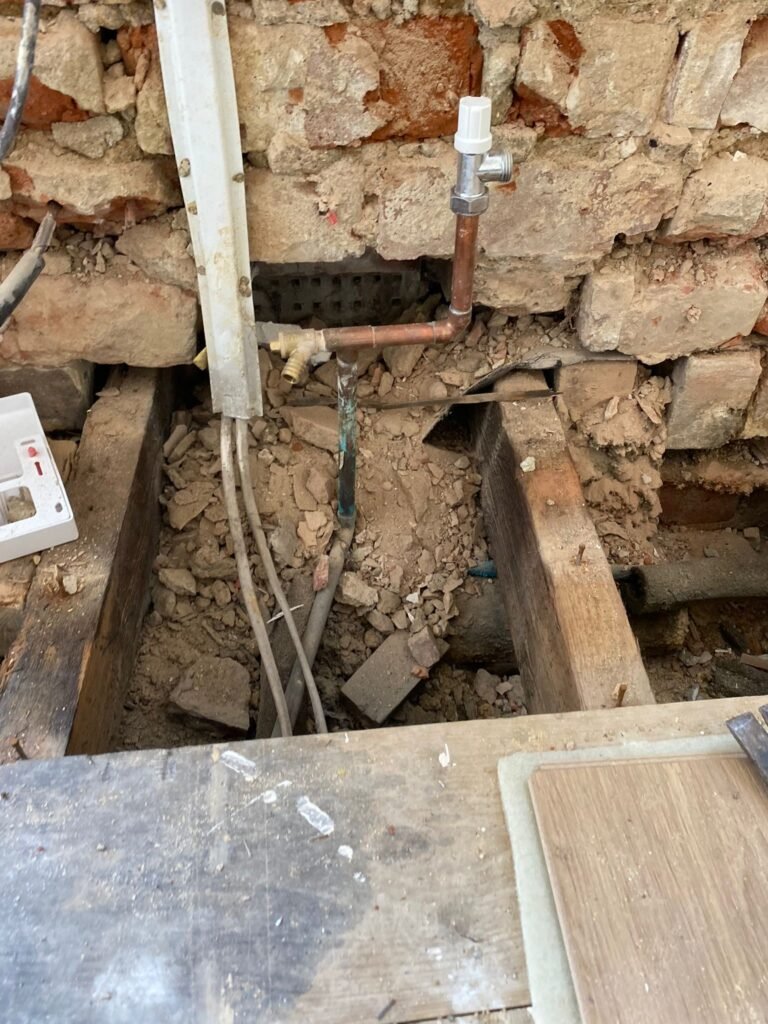
Older homes rely on underfloor airflow. Blocked air bricks, sealed voids, or incorrect insulation trap moisture and create mould and squeaks.
Do this first (checklist)
- Identify subfloor type (slab or timber).
- Look for air bricks and ensure they’re clear.
- Check recent leaks and drying times.
- Measure indoor RH (aim ~40–60%).
- Don’t cover damp.
Moisture testing 101
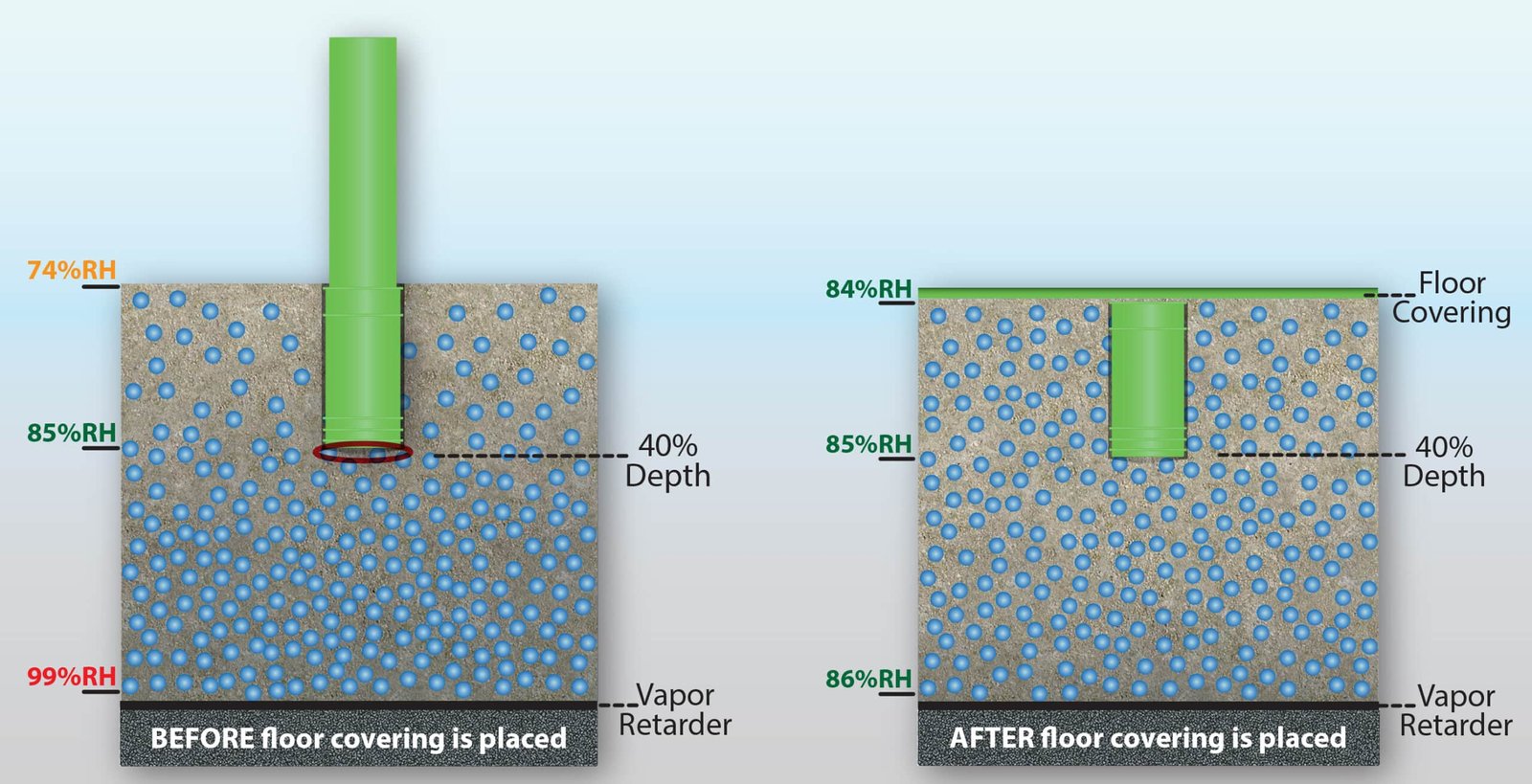
- Homeowner checks: Visual signs, paper towel test, RH meter.
- Professional tests: Slab RH probes, surface moisture meters, timber moisture content. These guide primers, barriers, and adhesives.
Common mistakes to avoid
- Installing before the screed is ready.
- Using the wrong primer/adhesive.
- Skipping acclimatisation.
- No expansion gaps.
4) Flooring-Types
Laminate (Ireland’s pitfalls)
Failures: Swelling, edge lift, peaking.
Why: Moisture below, no expansion, thin foam underlay.
Repair: Remove affected boards; dry; re-fit with gaps.
Prevent: Vapour barrier on slabs; proper underlay; acclimatise.
Replace when: Multiple rooms are affected or slab moisture persists.
Engineered Wood
Failures: Cupping, gaps, noise.
Why: RH swings; wrong system over the slab.
Repair: Stabilise RH; selective board replacement.
Prevent: Match thickness and underlay; control humidity.
Replace when: Core delamination appears.
Solid Wood
Failures: Seasonal gaps, cupping.
Why: Natural movement amplified by Irish seasons.
Repair: Humidity control; board refit.
Prevent: Suitable rooms only; avoid wet areas.
Replace when: Chronic moisture damage.
LVT / Vinyl Plank
Failures: Edge curl, lifting, telegraphing.
Why: Slab moisture; adhesive mismatch; poor prep.
Repair: Lift and re-bond with correct system.
Prevent: Moisture test; prime; flatness standards.
Replace when: Widespread adhesive failure.
Carpet
Failures: Ripples, damp smell.
Why: Moisture; poor stretching.
Repair: Re-stretch; dry subfloor.
Prevent: Dryness checks; breathable underlays.
Replace when: Persistent odours.
Tiles / Stone
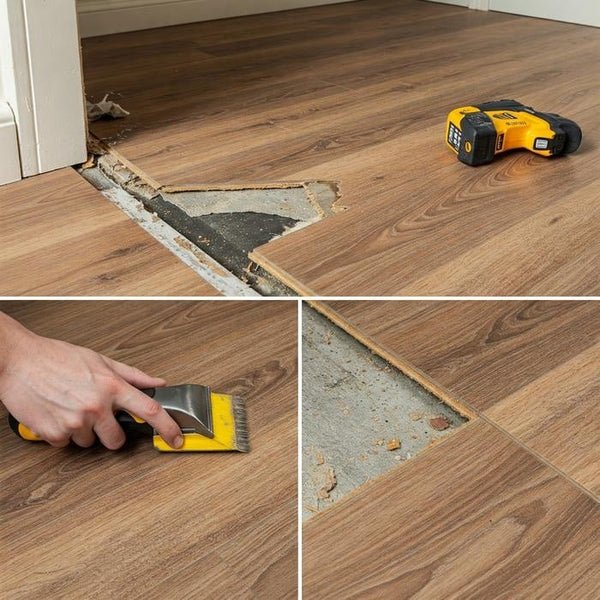
Failures: Cracks, hollow tiles, grout issues.
Why: Movement, poor bedding, and moisture.
Repair: Replace affected tiles; re-bed.
Prevent: Decoupling where needed; flat subfloor.
Replace when: Systemic movement.
5) Subfloor Problems: The Hidden Culprit
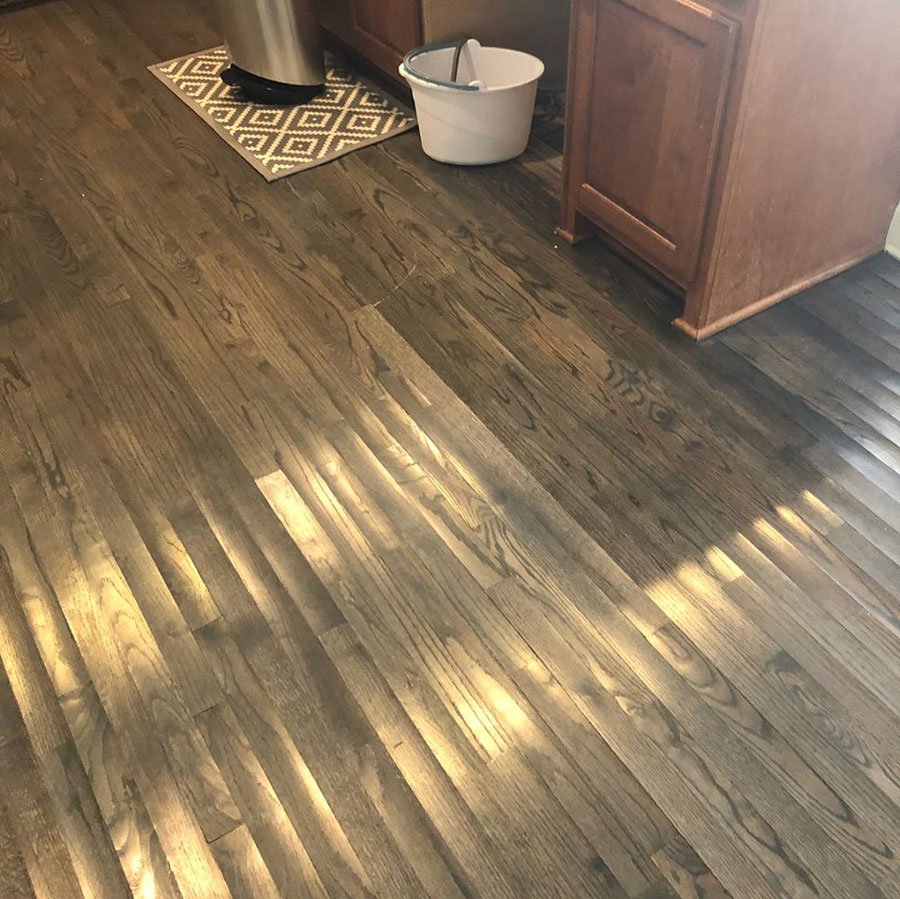
- Unevenness: Causes lipping and failure.
- Squeaks: Loose boards, nail pops, joist movement.
- Cracked screeds: Weak surfaces telegraph through.
- Contamination: Dust or paint kills adhesion.
- Expansion gaps: Missing gaps cause peaking.
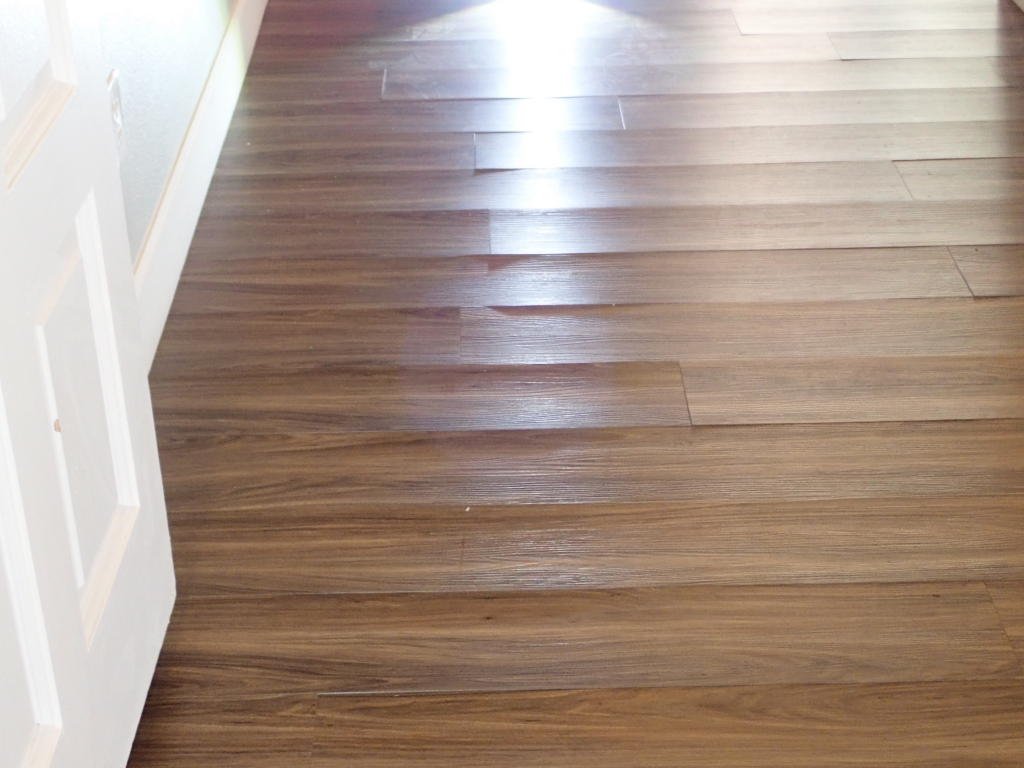
Check flatness at home
- Use a long, straight edge.
- Note gaps; small deviations matter for LVT and tiles.
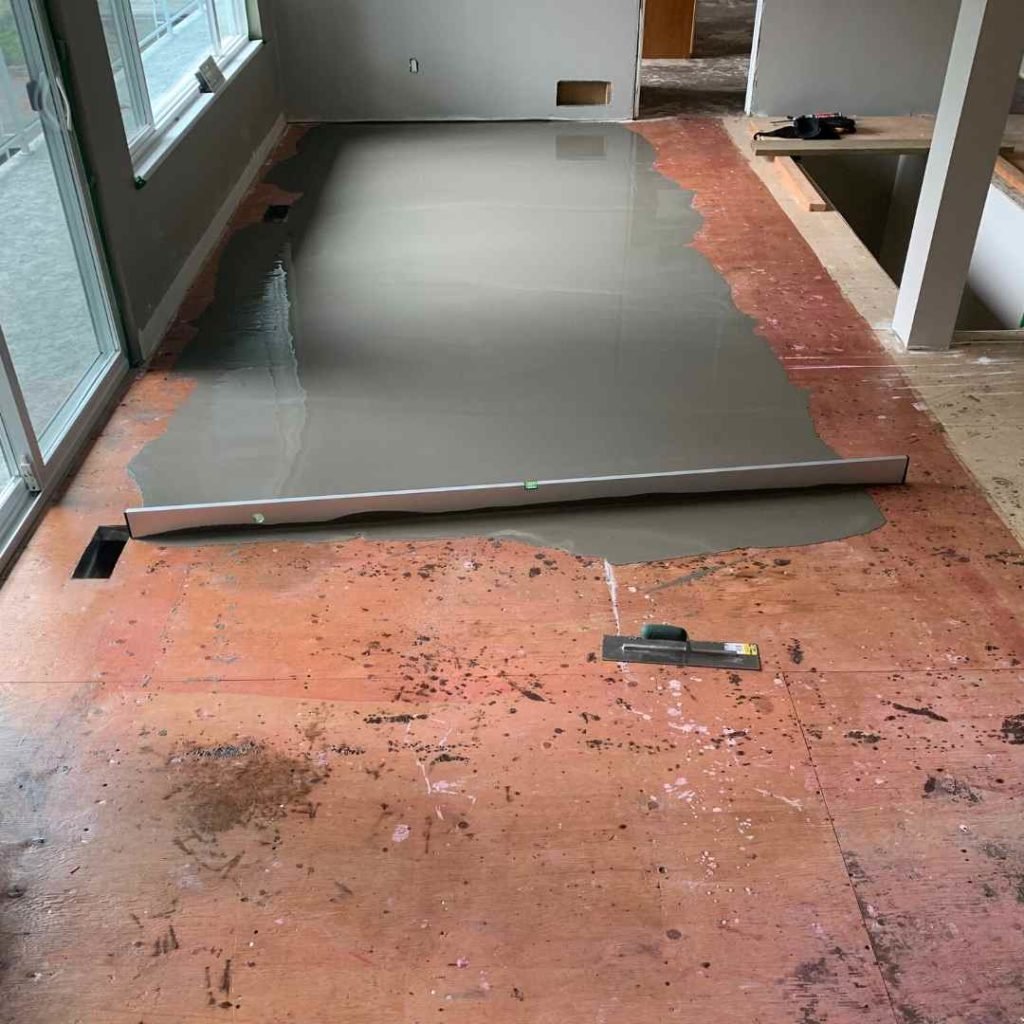
Levelling compounds
- Work when the substrate is sound and dry.
- Fail when moisture or movement is ignored.
6) Specific Irish Home Scenarios
Apartments (slab):
Impact noise rules, underlay approvals, and strict moisture control.
Semis/terraces (timber upstairs):
Squeaks and bounce; airborne vs impact noise crossover.
Older cottages/stone houses:
Breathability matters; avoid sealing moisture in.

New builds:
Drying times are king; snag early; keep records.
7) The “Creaks, Bounce & Movement” Master Fix
Flow
- Identify the source.
- Secure fasteners.
- Add adhesive/bridging.
- Reduce friction.
- Reinstall or replace boards.
Basic toolkit
- Screws, adhesive, drill, straight edge, wedges, and PPE.
8) Mould, Odours & Indoor Air Quality
How it forms: Trapped moisture + low airflow.
Red flags: Musty smells, black spots, allergies.
Immediate action: Ventilate; stop the source.
Remediation: Required if growth persists.
Prevention: RH control, breathable layers, ventilation.
9) Prevention Plan: Irish Homeowner Maintenance Calendar
Winter: Manage condensation; protect entrances.
Spring: Leak checks; air brick cleaning.
Summer: Deep clean; allow drying.
Autumn: RH monitoring; furniture pads.
10) Cost Expectations in Ireland (Guidance Only)
Cost drivers: Room size, moisture mitigation, prep quality, and access.
Typical ranges: Vary widely, focus on system quality, not the cheapest line.
Comparable quotes checklist: Moisture test method, prep scope, system layers, warranties.
11) Hiring the Right Contractor in Ireland
Ask: What moisture tests? What prep? What system?
Red flags: No testing; rushed timelines; vague specs.
Apartments: Paper trail for management approval.
Aftercare: Clear maintenance guidance.
12) FAQ
- Why is my laminate swelling in winter in Ireland?
Indoor humidity rises with heating cycles, pushing moisture into edges without expansion space. - What causes LVT to lift or curl?
Slab moisture, wrong adhesive, or poor prep. - How do I know if damp is under my floor?
Musty smells, RH spikes, and moisture tests indicate issues. - Can I install new flooring over tiles?
Yes, if flat, sound, and moisture-safe. - Do I need a vapour barrier on a slab?
Usually, yes, in Ireland; testing decides the system. - How long should screed dry before flooring?
Often weeks to months; test rather than guess. - Why do boards squeak when it’s cold?
Timber shrinks; fixings loosen. - Is underfloor heating compatible?
Yes with engineered wood or LVT, using approved systems. - Best flooring for Irish apartments?
LVT or engineered wood with approved acoustic systems. - How do I reduce noise through floors?
Treat impact and airborne paths; choose the correct underlay. - Can mould grow under vinyl?
Yes, if moisture is trapped. - Are gaps in wood floors normal?
Small seasonal gaps can be normal. - What RH should I aim for?
Roughly 40–60% indoors. - Why do tiles sound hollow?
Poor bedding or movement. - Can levelling compound fix everything?
No, moisture and movement must be solved first. - Do air bricks matter?
Yes for timber floors. - Should I DIY squeak fixes?
Minor fixes, yes; structural issues need pros. - When should I replace instead of repair?
When moisture damage is widespread.
13) Conclusion & Next Steps
Irish flooring succeeds when you think moisture first, prepare the subfloor properly, and choose the right system for the room and climate. Many issues are repairable; some demand replacement. A calm inspection and correct testing save money and stress.
At FBS Flooring, we act as a guide master to flooring problems—helping homeowners across Dublin and all of Ireland diagnose issues correctly, fix them properly, and prevent them for the long term.