Skip to content

Table of Contents
A practical Irish guide explaining how coastal air, humidity, and salt affect flooring and which floors last longest near the sea.
Homes near Ireland’s coast carry a feel that most countryside houses just lack. Big windows face the water, air stays clean, sunlight feels sharper, life ties closely to tides and cliffs; these things pull people in. But what draws folks also wears down walls, paint, and particularly floors. Weather along the edge plays a big role here. The Atlantic pushes a pattern of dampness, steady rain, soft warmth, and gusts that rarely quit. According to Met Éireann, ocean currents shape how cold or calm seasons get, keeping deep freezes rare while wind cuts through winter days. Temperature swings soften because the sea holds heat differently than land.
Floors face more than just spills or shoe tracking through. Air quality plays a role, along with how solid the base layer sits underneath. Moisture locked in walls shifts things slowly, while repeated cycles of wetting and cooling tug at stability. Places like Cork or Kerry carry sea salt on breezes – this settles into woodwork quietly. Humidity climbs indoors near shorelines; storm winds sneak damp inside entry zones. Poor airflow lets fog form between surfaces when nights turn cool. These details pile up without shouting, warping boards bit by bit. Looks fade where conditions press hard, finishes duller sooner under strain. Fixing what builds over the years takes effort nobody sees until cracks appear. Costs rise once small issues root deep across seasons.
Coastal winds carry salt. What shines under store lights might dull fast by the sea. Time tells what survives. Homes facing the Atlantic deal with damp air daily. Sand sticks to floors when boots come off in hallways. Some materials swell, others crack without warning. Advice made for deserts fails here. Even solid choices inland can disappoint on cliffs above waves. Local experience sees beyond first impressions. Floors must handle rain-soaked trousers brushing past skirting boards. Mist rolls in overnight. Choices shaped by Irish weather patterns outlast trends flown in from abroad. Real testing happens over seasons, not snapshots.
FBS Flooring steps into the discussion with weight. Not just another list of items will do for readers in Ireland. What matters is clear advice – how salt levels tie to material wear, how damp air shifts underfoot, how airflow changes outcomes. Picture a floor holding up because someone checked the moisture first. Guidance like that cuts through confusion. It matches what folks type into search bars late at night. Trust grows when answers land precisely where doubts sit. Mistakes that cost hundreds? Often skipped, simply by knowing ahead.
Flooring Near the Irish Coast
By the ocean in Ireland, life feels like a wish come true for plenty of people. Waves crashing under wide skies, air sharp with salt, cliffs cut by wind, these shape days in ways few places can. Yet such raw charm brings tricky choices too, especially inside homes where floors take constant punishment from damp, grit, and gusts sneaking through doors. Picking what goes beneath feet means thinking hard about what lasts, not just what looks good at first glance.
Coastal living shapes every choice at FBS Flooring – years spent fitting floors where sea mist never rests. Picture wind-driven damp slipping through walls, persistent as a tide. Humidity hangs thick here, yes – but it’s the invisible salt dust that clings to everything, silent and sharp. Those tiny particles? They team up with moisture, turning quiet corners into war zones for wood and glue alike. Homes near the shore face a slow grind few expect.
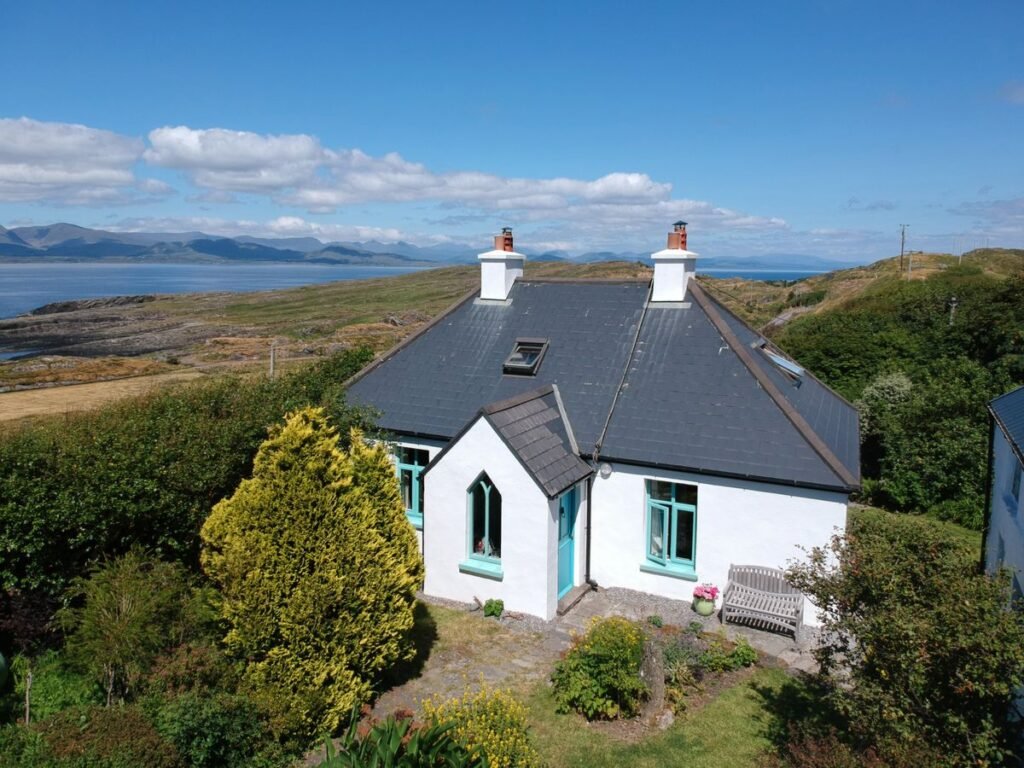
Out on the western edge, where wind sweeps across Connemara’s rocky hills, floor surfaces face constant damp. When replacing timbers in a weathered cottage, the material behavior shifts under salty breezes. Head south toward Cork, where modern homes rise with tight seals against cold fronts – here, moisture still sneaks through tiny gaps. Builders picking slabs for these spaces weigh thermal response alongside vapor resistance. Along Wexford’s coast, salt-laden gusts batter even sealed units near shorelines.
Experts at FBS Flooring have tracked warping patterns in engineered wood after three winters exposed. Their observations reveal which sealants slow decay without altering grain texture. Coastal placement demands foresight beyond appearance alone. Each region presents distinct challenges – humidity levels shift rapidly inland versus right beside water. Protection hinges not just on thickness but on how layers bond beneath foot traffic. Longevity emerges from alignment between environment and structural design.
Flooring near Ireland’s coast tends to fail slowly, not fast. Floods or leaks might seem like the obvious culprits – yet they’re just one piece. Often, it’s constant contact with humid air, wet shoes bringing in moisture, lingering salt, and poor drying that does harm. Looks can deceive early on; what seems solid at first weakens later under months of trapped water vapor, soggy weather stretches, or quiet shifts over time.
Sea air changes everything when picking floors for homes near Ireland’s coast. Not just looks, but where the house sits makes a difference. Old walls breathe differently from new ones, especially by the water. In Galway, salt and wind shape what works underfoot. Meanwhile, a newer build far from shore faces fewer surprises. How rooms connect affects warmth and wear too. What fits one kitchen might fail another down the road. Choices grow out of dampness, drafts, and daily habits. Local conditions guide smarter picks without grand promises. Each floor answers to its own set of demands.
Irish Coastal Climate Explained
Fringes of mist roll in from the sea most days. Because of this, temperatures rarely spike high or plunge low across the island. Oceans steady the rhythm of seasons here. Still, gray skies linger longer than many expect. Rain arrives in soft waves, then stretches into weeks without pause. Coastal winds carry wetness that clings to walls and roads alike. Forecasters point westward when explaining why storms keep returning. Ocean currents write much of the daily forecast, again and again.
Wet floors? Rain alone isn’t the real problem. What really matters: how outside damp links with inside moisture movement. Houses near the coast tend to trap humid air, particularly when storms roll in, salt-heavy breezes blow through, and there aren’t enough dry spells to reset things. On calmer days, structures still retain hidden wetness. Doorways feel damper consistently. It might seem chillier by the sea when you’re inside those front-facing bedrooms. Damp hangs around longer where things get used a lot – like laundry spots or storage nooks. Wind sneaks wet air into corners even if the outside looks dry. Age makes houses hold onto moisture more, especially when what’s built in hasn’t kept pace with how we seal and breathe buildings today. According to SEAI, blocking airflow sets up a cycle: water collects on walls, then stays, feeding mildew unless paths open back up.
On Ireland’s coast, homes differ in surprising ways. Breathable walls and raised flooring mark some older cottages by the sea, where dampness shifts through hidden paths. Meanwhile, modern flats seal tightly yet risk foggy windows when airflow lags behind trapped vapor. Elsewhere, vacation houses sleep shut for weeks, letting indoor air grow heavy with stillness and unseen wetness. Each type handles salt air and rain differently. Because of this, how a floor performs can’t be looked at alone. Its role connects to how the whole structure behaves.
Salt Air And Its Importance
Hearing “salt air” usually brings rusted outdoor metal to mind. True enough, yet there’s more beneath the surface. Driven by coastal winds, tiny salt specks travel beyond the shore. Landing on walls, frames, and corners, these crystals take hold where breezes hit hardest. Around doors, along outer lines, near entry points, they build up unseen. Exposure shapes where they collect, piling quietly in open-faced areas. Most people never see salt coming. It slips in quietly, carried by damp air and daily use. A thin layer builds up over time. This film sticks around, blending into surfaces until noticed. What looks like dust might actually be something more persistent.
Moisture clings to salt; that’s just how it works. Because of this, surfaces near coastal regions tend to remain wet longer compared to those farther from the sea. As time passes, finishes may degrade more quickly, along with moldings and connecting edges. Flooring feels this most at crossings, think entryways, sliding glass doors, laundry room thresholds, spots where outside dampness rides in on shoes or airflow.
Not every floor fails just because it faces salty air. Trouble usually starts when moisture teams up with dampness, poor upkeep, leaving gaps for damage to grow. Even close to the ocean, solid floors hold up fine if homes are built right. Yet one wrong choice, like picking the wrong material, placing it on shaky ground, inside a stuffy house, can bring early signs of wear.
Homeowners might overlook certain clues. A surface loses its shine faster than it should. Around doorways, connections start to feel uneven. Corrosion sneaks into metal edges before you notice. Floor surfaces sometimes require extra attention since gunk gathers quickly. Not every sign means disaster – yet each could hint that the space pushes materials beyond their limits.

Humidity and Moisture in Irish Coastal Houses
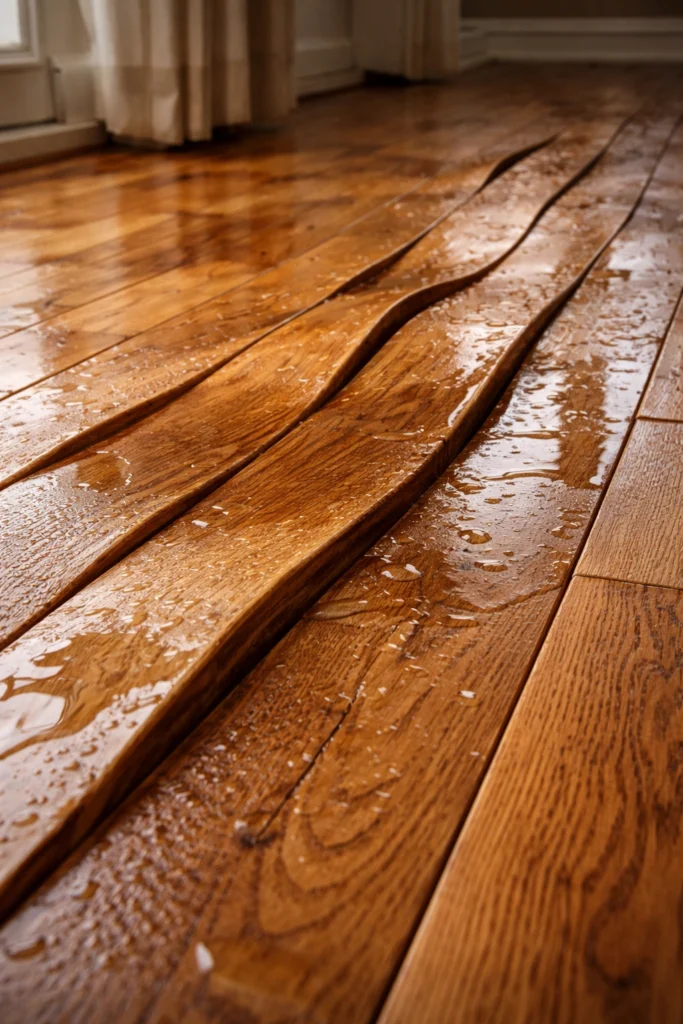
Moisture in the air quietly pushes against floors more than most realize. Floors made from wood react when humidity shifts. When rooms stay wet for long, planks pull in water, grow wider, and warp slightly. Should things turn drier later, shrinking might happen, but not evenly across sections. Repeated changes like these slowly bring warped edges, tight seams, shifting positions, and surface damage you can see.
Wood floor rules often highlight steady indoor moisture levels. According to the NWFA, these floors tend to work well if the air stays between 30% and 50% humidity, along with consistent heat. On Ireland’s coast, holding such a balance may prove tougher than people assume – particularly in homes where walls are old, rooms crowded, or ventilation weak.
Everyday activities push up damp levels inside homes. Steam from meals, bathroom use, wet laundry hung inside, and the act of simply breathing pump water into the atmosphere. Houses near the sea might struggle to shed this wetness when airflow falls short. According to SEAI housing information, fresh air flow reduces droplets on windows and supports healthier surroundings. Their energy tips mention lasting damp patches or fungus growth hint at poor circulation needing review.
Flooring never exists in some perfect lab setting. Real homes mean real habits shaping how things wear. Think coastal Ireland, where mornings bring fog clinging to windows. A bathroom door swings open, releasing warm air that drifts down the hall. Cooking fills the kitchen with invisible moisture while windows stay shut. Damp jackets hang near entryways, slowly dripping onto boards below. Backyard rain soaks through gaps when sliding doors slide open. Cold floors meet humid nights, leaving tiny pools no one wipes away. Repeat this rhythm season after season. Wood and layered planks begin to warp under such steady pressure.
Humidity zones (average %)
Locations shown: 22
- Coastal: 66.5%
- Inland: 74.6%
Main locations humidity
| Location | Region | Humidity |
|---|---|---|
| Donegal (Letterkenny) | Coastal | 61% |
| Sligo | Coastal | 70% |
| Mayo (Castlebar) | Coastal | 65% |
| Galway City | Coastal | 66% |
| Limerick City | Coastal | 84% |
| Cork City | Coastal | 60% |
| Dublin City | Coastal | 60% |
| Waterford City | Coastal | 61% |
| Wexford Town | Coastal | 73% |
| Kerry (Tralee) | Coastal | 66% |
| Clare (Ennis) | Coastal | 73% |
| Tipperary (Thurles) | Inland | 78% |
| Kilkenny | Inland | 70% |
| Kildare (Naas) | Inland | 75% |
| Wicklow | Coastal | 64% |
| Louth (Dundalk) | Coastal | 61% |
| Cavan | Inland | 74% |
| Westmeath (Athlone) | Inland | 83% |
| Roscommon | Inland | 74% |
| Carlow | Inland | 73% |
| Laois (Portlaoise) | Inland | 76% |
| Meath (Navan) | Inland | 68% |
Condensation and Dumpness under floors
Down under the floor, issues often start unseen. Warm air inside the house touches cold spots – suddenly, water appears. This shows up on glass, near drafty borders, or spaces where the breath of the room stays too long. Underneath, another kind of wetness sneaks in slowly. If the base layer of concrete never fully dries, if protection underneath fails, or old methods leave gaps, trouble rises from beneath. Floor systems feel it first.
Floors often give out too soon. Here’s why. Blame lands on the material, yet the real issue hides underneath. A wood surface, fake wood layer, or glued setup sits above a base that skipped moisture checks. That mistake invites shifting down the line. The hold weakens between layers. Planks grow wider from dampness. Corners break free at the seams. Rot might show up. Smells may linger if things go badly.
Start with fresh air – SEAI keeps saying it cuts down on damp when spaces breathe right, plus install work must meet code during renovations. Floors teach a basic truth: skip the prep, get failure, even if the material seems top grade. Along the shore, where humidity hangs heavy, checks before laying matter twice as much.
Here’s when sticking to the rules really shows. Because without checking moisture levels, surfaces might seem flat but aren’t. Priming isn’t just a quick coat – it prepares everything underneath. When vapour barriers get left out, hidden dampness creeps in later. Expansion gaps? Ignore them, and pressure builds silently. Even beautiful results can unravel fast if the wood hasn’t settled right first. Each job step ties into long-term stability.
Long-Term Effects on Various Floor Materials
Most times, floors near the coast get worse slowly. Over time, wet conditions stick around too long, then dry out late, while moisture swings mess things up even more – salt and grit stay behind after each hit. How it shows itself changes a bit based on what the floor is made of, yet somehow always looks the same. Curved planks appear when wood absorbs uneven moisture. Edges of fake-wood layers puff up like bread left in dew. Glues that weren’t strong enough start letting go without warning. Surface coats turn foggy instead of staying sharp. Noticeable changes might show up in joints. Near doorways, wear tends to appear sooner compared to other parts of the space.
Starting down the line, looks aren’t the only thing at stake. When shifting kicks in, cleaning takes longer, walking feels rougher, and maintenance bills climb. Sometimes patches crack and demand fixing. Other times, entire spaces must be redone years ahead of schedule. Because of this, picking flooring near the sea means looking past how it seems on day one.
Wet floors? They’re more than just messy – slip danger goes up when surfaces stay damp. Left unchecked, spills or poor drying wear down floor grip over time. Think seaside homes. Rain tracks in. So does sand. Salt gunk sticks around. Wet shoes step inside daily. Floors take a hit without consistent care.
Solid Wood Floors Near the Ocean
When done well, solid wood floors stand out. Their look brings comfort into a room, showing grain patterns that feel alive. Yet they demand attention where dampness lives. Made entirely of real timber from top to bottom, these planks swell or shrink as air moisture shifts. Beauty comes with sensitivity here. Each board breathes with the seasons, expanding when wet air settles in.
Down by the coast in Ireland, things get tricky. When air shifts often, hardwood planks might swell up when wet outside, then shrink once it turns dry again. This shift brings warped boards, cracks between edges, tension at the sides, and even noticeable shifting across floors. Just because of this doesn’t rule out real timber completely beside ocean homes, yet careful picking matters, along with laying it solely where inside conditions stay fairly steady.
Even on premium builds, particularly in modern houses with tight environmental control, solid wood remains an option. Yet when salt air and shifting humidity hit the coast, it seldom stands out as the go-to choice. People who love the appearance of real wood might actually gain more by picking something less prone to warp – still rich in feel, just tougher where it counts.
Truth matters most when floors go in. Not every shiny option fits how a building holds up. FBS looks past flash, checks what lasts. Trust grows when choices are built on reality. Long-run success usually follows that kind of thinking.
Engineered Wood in Coastal Homes
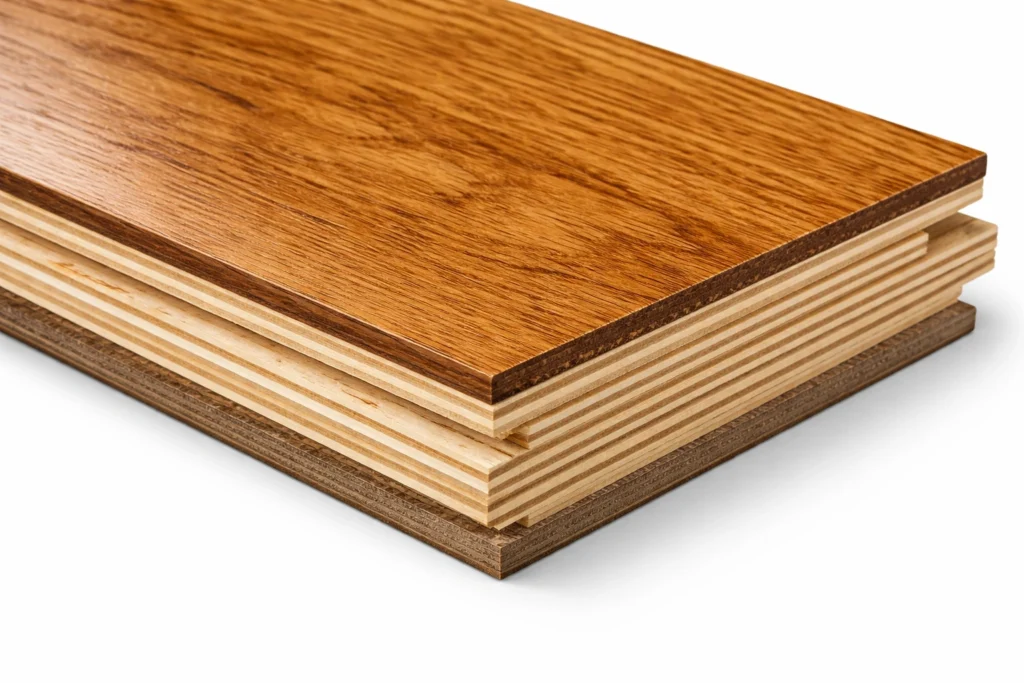
Out at sea, salt air bites. Engineered wood stands up to it better than most. Looks like the real thing though built differently – layers stacked tight. That build helps it stay put when humidity shifts around. Solid timber might twist under those same conditions. A strong brand matters here. So does careful fitting during setup. Get both right, and there are fewer gaps later on.
Water-resistant? Not even close – engineered wood still reacts when wet, so pretending otherwise leads to problems. Yet inside cozy spaces like lounges, sleeping quarters, or thoughtfully laid-out shared zones, it holds up while looking convincingly organic. Those seeking charm and coziness minus the gamble of solid timber often land here by quiet necessity.
Even now, those standard warnings matter. Before anything else, check that the subfloor holds no moisture – test it properly. Boards need time to adjust to the space, so wait until they settle in. Leave room around the edges, because wood moves when it breathes. Fresh air moving steadily through the space matters just as much as keeping dampness in check. When either slips, floors built right still come apart.
Flooring choices matter most when they fit how people actually live. Right here, FBS steps in – without fanfare – because knowing Irish foundations changes everything. Instead of repeating glossy terms pulled from brochures, real help means matching materials to damp conditions underfoot. Homes breathe differently when built on native ground, after all. Guidance shaped by rain-soaked seasons beats hollow promises about wood any day. What counts is who designs for worn hallways, not showroom floors.
Laminate Flooring and Moisture Issues
Laminate sticks around since it costs less, comes in lots of looks, plus plenty of people find it straightforward. In drier spots, it holds up just fine – newer kinds even outperform past models. Yet on the coast, where air carries moisture, basic laminate often struggles more than other choices.
Moisture slips in easiest at weak spots. Wherever water meets exposed seams, bulging might follow. Looks stay decent early on, yet inside, the base swells silently. Edges rise slowly, joints shift out of line, shape warps without warning. Doorways take hits fast, so do cooking areas, plus seaside spaces that breathe too little. Trouble likes corners with no airflow.
Just because a floor is laminate doesn’t make it a bad choice. Some versions handle damp better than others, so they might work fine in places like bedrooms where wet isn’t common. Still, picking one just because it’s cheaper now could backfire later. Spending less at first might lead to higher costs down the road if the material fails too soon.
Laminate might not hold up well in seaside Irish houses. When salt air seeps in each day, it often struggles to keep its shape. Damp shoes coming inside can weaken it over time. Humidity shifting back and forth tends to warp the planks sooner than expected.
LVT and Vinyl Flooring for Coastal Areas
Wet air rolls off the sea – these floors just shrug it away. They stand up to damp better than wood ever could. When salt-laced wind sneaks through doors, they stay calm under pressure. Muddy soles track across them? A quick wipe sorts things out. Day after day, they hold their ground without fuss.
Out by the sea, houses face constant damp from wet footwear and salty breezes drifting through open doorways. Floors that hold up under such conditions tend to last far longer without showing wear. Kitchens, laundry spaces, bathrooms, hallways, even vacation homes – they all benefit when materials resist moisture day after day. Strength here isn’t just useful. It quietly shapes how well things endure.
LVT wins on looks, too. Though it copies wood or stone closely, it treats feet kinder when life gets messy. Households near the sea find relief here – less stress, same charm. Few options balance both so quietly.
Even so, LVT won’t hide a rushed start. If the base isn’t flat, flaws will show up on top. Choose the wrong glue and bonding fails down the line. Edges demand attention every time. FBS Flooring fits here without force. Good guidance isn’t simply pushing a product. What matters? Getting details like material specs correct. Surface prep plays a big role, too. Installation must match how things are on real job sites across Ireland
Tiles and Concrete Floors in Coastal Homes
Tiles made of porcelain hold up near oceans since damp air bothers them less than wooden floors. Even when wet a lot, these materials keep their shape pretty reliably. Concrete that has been sealed fights off salt air better than many expect. In spots like laundry rooms or shower areas, such surfaces make sense most days. Ceramic stands tough where waves crash close by, handling spills without fuss. When put down just right, they rarely warp or need fixing after years go by. Modern beach homes lean on them – simple to wipe, steady underfoot. Humidity changes do little harm once everything is set properly in place. Kitchens beside the sea find them useful, resisting steam and drips alike. Their calm look fits airy rooms built for sun and wind nearby.
Warmth beneath your feet matters when floors stay cold for months. Tiles handle that heat without fuss, making them common in Irish homes. Because moisture lingers outside, indoor comfort shifts below. A slab of concrete brings sharp lines and long life. Yet its coolness does not suit all living spaces. Some rooms reject such minimal weight. Others embrace the raw finish like a default skin.
Cold under bare feet – that’s what tile and concrete bring when unheated. Though solid, these materials lack softness with every step taken. Where grout runs between tiles, upkeep becomes a steady task. In entryways or bathrooms, traction plays a bigger role than many assume. Guidelines from the HSA make one thing clear: slippery surfaces demand attention.
Besides using just a single material throughout, most seaside houses choose something different. Room by room shapes the plan – tough, damp-resistant layers where water shows up often, while cozy textures fill areas that stay dry. Instead of uniformity, variation handles what each space actually faces.
Top Floor Choices for Houses Near Ireland’s Coast
Not every floor works the same way when you factor in space, house type, or what matters most to the person living there – yet a few options do tend to rise above the rest. Though differences exist across rooms and needs, certain types show up ahead simply by how they hold up, feel, or fit into daily life without demanding too much. Some just make more sense once everything lines up – the usage, the upkeep, the long-term wear. While choices shift based on where they go, one thing stays true: not all materials play an equal role once feet hit them each morning.
When life gets hectic by the sea, tough LVT tends to fit just right. Moisture hardly causes trouble, cleaning takes little effort, and designs come in many forms. Kitchens see their strength, so do laundry spaces, also spots where people step inside. Practical? Few materials match up.
When it comes to tough surfaces, porcelain tile stands out – great for damp spots or places where people move through often. Built to last, it holds up well under stress while staying low on upkeep demands; yet certain folks lean toward something cozier beneath their feet at home. Stillness matters when you’re choosing what meets your skin after a long day.
A step beyond basic flooring, engineered wood fits well in lounges or sleeping areas when someone likes the look of nature indoors. Because moisture shifts happen often near Ireland’s shores, picking materials matters – this one handles damp air without warping much. Though it asks for mindful upkeep plus proper room climate, its blend of looks and reliability tends to outdo hardwood in those spots. Lasting appeal shows up best when surroundings stay steady.
Beneath your feet, decent sheet vinyl sometimes makes sense. Though looks aren’t everything, it handles damp well. Comfort matters too, especially in busy spots. Price often seals the deal when budgets tighten.
A single product across every room often fails because spaces act differently. When homes are split into zones, coastal floors perform better. Entryways that get wet demand toughness above all else. Dry areas where people relax can handle gentler materials instead.
Bad Floors for Wet Irish Coasts
Worst picks? Often, floors are picked without thinking about where they’ll go. Picture cheap laminate by the front door – where boots drip water – and you’ve got trouble waiting. Solid wood might look nice, yet if it hasn’t settled into a space with shifting humidity, warping follows. Lay anything atop a base that’s still holding moisture, and surprise leaks appear later.
Looks alone make a shaky reason to pick flooring. Under bright store lights, a surface might seem ideal – yet struggle once faced with damp shoes, sticky air, or stuffy spaces. First charm fades fast when reality hits. Imitation wood finishes often fall short; they copy the grain but skip the toughness real conditions demand. Style without substance cracks under pressure.
A sneaky problem hides in plain sight – bad setup choices. A solid floor might still fail when paired with cheap padding, sloppy glue jobs, uneven bases, or tight seams that leave no room to breathe. Near the ocean, how it goes down matters just as much as what gets laid.
Protecting floors in coastal homes
Starting at your doorstep makes sense. A solid entry mat ranks among the easiest fixes for houses near the shore. When rain hits, the HSA recommends ready responses – fast cleanup, damp zones managed, smart setup near doors – since slick floors become more likely when wet. Houses inland follow similar logic. Less moisture, debris, or salt tracking inside means less trouble later. Keeping contaminants out early changes everything.
A clean floor stays protected longer. Left behind, salt and tiny particles slowly damage surfaces over time. Depending on what your floor is made of, how you clean it changes too. Too much water harms wood and fake wood floors – always keep them just damp. For tile or tough vinyl, stronger scrubbing works, though picking suitable cleaners remains key.
Mist in the air needs watching too. Pull out fan units when moisture builds up. Leave airflow paths unblocked at all times. Steady warmth works better than hot bursts after chilly stillness. According to SEAI, fresh moving air cuts down on dripping surfaces while lifting overall room quality.
What matters most? Long-lasting floors start with how you run your home. Caring for flooring isn’t just wax or cleaning cloths. Think ventilation, steady temperatures, watching humidity levels – also matching each floor type to its space.
Ventilation, Insulation, and Moisture Control
Many coastal flooring issues are really building-performance issues in disguise. A floor often suffers because the home is holding too much moisture. That may happen because extraction is weak, trickle vents are blocked, insulation upgrades were done without enough ventilation planning, or rooms are heated unevenly.
SEAI’s ventilation guidance notes that mechanical systems can provide greater control and that good ventilation helps minimise condensation. That matters because stable, well-ventilated air helps keep indoor moisture from repeatedly stressing the floor.
Insulation should not be seen as the enemy. Done well, it can improve comfort and reduce cold surfaces that encourage condensation. But insulation and ventilation must work together. In older coastal houses, especially traditional buildings, moisture behaviour can be complex. Upgrades need care, not guesswork.
For readers, this is where the article can subtly promote FBS Flooring’s expertise. The best flooring advice does not stop at samples. It considers whether the home is ventilated properly, whether the subfloor has been tested, and whether the room can realistically support the chosen finish.
Subfloor Preparation in Coastal Properties
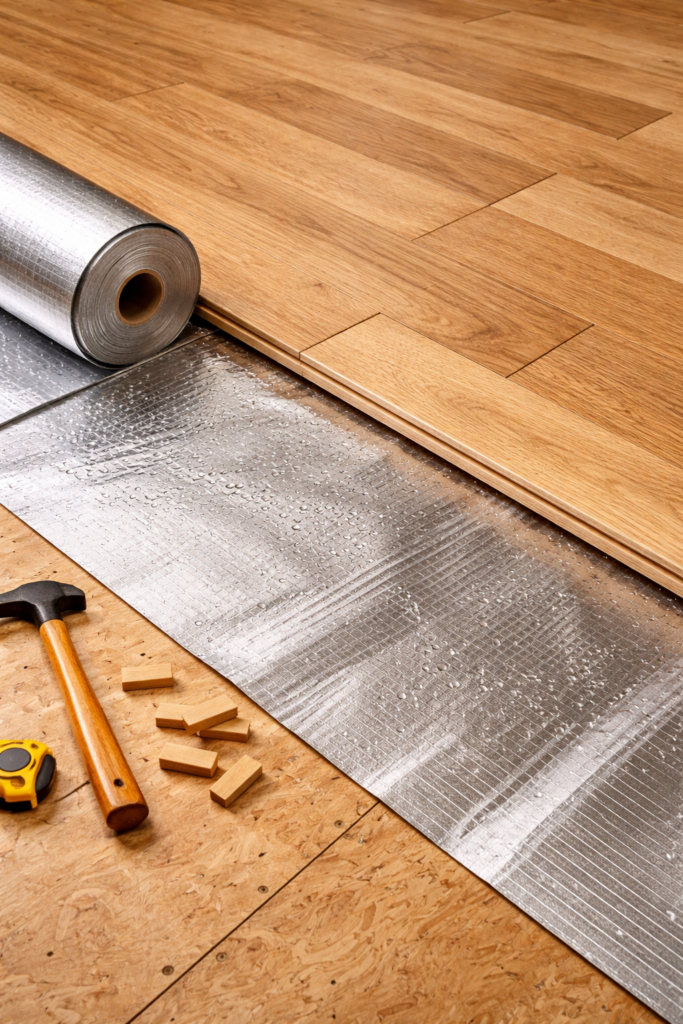
No flooring article for Irish coastal homes is complete without stressing subfloor preparation. It is the technical core of long-term performance. Moisture testing, levelling, primers, smoothing compounds, vapour barriers, curing times, and acclimatisation all matter. If these steps are skipped, the risk of later failure rises sharply.
This is particularly important in coastal properties because the environmental margin for error is smaller. A floor already living in a damp maritime climate cannot afford poor substrate preparation underneath it. Concrete slabs must be tested. Suspended floors must be assessed. Old adhesive residues, uneven levels, and weak damp protection should all be resolved before the finished floor is installed.
For readers, this section should build confidence in FBS Flooring. It shows that good flooring is not just about selling boards or tiles. It is about delivering a system that suits the building and the climate.
Maintenance Tips for Coastal Flooring
Maintenance in a coastal home should be steady rather than reactive. Sweep regularly to remove grit and salt. Clean entrances more often than inland homes. Use mats inside and outside key doorways. Wipe up tracked-in moisture quickly. Avoid flooding timber-based floors with water during cleaning.
Different materials need different care. Engineered wood benefits from controlled humidity and manufacturer-approved cleaners. Laminate needs careful dry or lightly damp cleaning only. LVT and tiles are easier to maintain, but even they last longer when residue and grit are removed promptly.
Seasonal checks are valuable too. After wet winters, inspect joints, trims, thresholds, and exposed rooms. If a floor starts to move, catches dirt at the edges, or feels damp repeatedly, do not ignore it. Small issues are easier to correct early.
Professional Advice from FBS Flooring
This is where the article should speak with confidence. Irish readers need advice that reflects Irish homes, Irish weather, and real long-term use. FBS Flooring can offer that kind of guidance by helping people choose products based on the environment, not just appearance.
A good coastal flooring consultation should consider the property’s county and exposure, the age of the house, the room’s use, the subfloor type, existing moisture issues, and the homeowner’s maintenance expectations. Some homes are perfect for quality engineered wood in living spaces. Others are far better served by LVT, tile, or a mixed-material strategy.
This is also the right place to guide readers toward related FBS Flooring posts and product pages. An article like this should naturally connect to engineered wood advice, flooring installation guides, kitchen flooring recommendations, and maintenance content. That strengthens SEO, supports the reader journey, and reinforces the company’s authority.
Conclusion – Choosing the Right Floor Near the Sea
Irish coastal air affects flooring in ways many homeowners underestimate. Salt, humidity, condensation, tracked-in damp, and slow drying conditions all place pressure on the floor over time. The result may be swelling, movement, wear, reduced slip performance, or early replacement if the wrong material or installation method is chosen.
The good news is that these risks can be managed. The right floor, fitted on the right subfloor, in a well-ventilated home, can perform very well even near the sea. In many Irish coastal homes, that means looking closely at LVT, porcelain tile, and carefully specified engineered wood, while being more cautious about standard laminate and unstable timber choices.
The smartest flooring decisions are never just decorative. They are environmental, technical, and practical. That is exactly why expert local guidance matters. For Irish readers, FBS Flooring can help turn a complicated choice into a durable one.
FAQ: Irish Coastal Flooring Questions
Does salt air damage wood floors?
Yes. Salt-laden air can contribute to moisture retention and faster finish wear, especially in poorly ventilated coastal homes. Over time, that can increase the risk of movement and surface deterioration.
Is engineered wood good for coastal homes?
Often, yes. Engineered wood is usually more stable than solid wood and is a better timber option for many coastal Irish homes, though it still needs proper installation and moisture control.
What flooring is best near the sea in Ireland?
In many cases, quality LVT, porcelain tile, and selected engineered wood are among the best options because they balance moisture performance, durability, and appearance. This is an informed recommendation based on the material behaviour discussed above and on moisture-management guidance from Irish and flooring-industry sources.
Does humidity ruin laminate flooring?
Humidity can damage laminate, especially when moisture reaches vulnerable joints and edges. Repeated damp exposure may lead to swelling and visible distortion.
Do coastal homes need moisture barriers under flooring?
Many do, particularly where concrete subfloors or moisture-prone structures are involved. Proper testing is essential before installation.
Is LVT good for damp houses?
Yes, in many practical situations. LVT is one of the strongest options for damp-prone and coastal homes because it resists moisture better than wood-based flooring.
How do you protect floors from salt air?
Use good entrance matting, clean residue regularly, remove moisture quickly, improve ventilation, and choose flooring materials suited to coastal conditions. The HSA and SEAI both emphasise the importance of wet-floor control and ventilation in managing moisture-related risks.
Can underfloor heating help with moisture?
It can help create a more stable indoor environment, especially when paired with suitable flooring and good ventilation, but it does not replace proper moisture control.
What is the best flooring for an old Irish coastal cottage?
That depends on the subfloor, ventilation, and damp profile, but LVT, tile, or carefully chosen engineered wood are often stronger options than standard laminate or poorly controlled solid wood.
Is coastal air a problem for kitchen flooring?
Yes. Kitchens in coastal homes deal with both household moisture and marine humidity, so a resilient, easy-clean surface such as LVT or tile is often the safest choice.