Skip to content

Continental Collection flooring suits many Irish rooms, but kitchens, living rooms, hallways, and bedrooms each need a different choice.
Quick answer
Continental Collection flooring can work well in Irish kitchens, living rooms, hallways, and bedrooms when the correct product specification is chosen. Living rooms offer the best balance of style, comfort, and durability. Hallways need stronger wear resistance. Bedrooms are ideal for comfort and warmth. Kitchens need extra care because spills, moisture, cleaning habits, and back-door traffic matter.
What is the Continental Collection?
Wood-look floors can feel stiff sometimes. This collection keeps things relaxed instead. Built for real life, it handles foot traffic while still looking sharp over time. Homeowners pick it when they like simplicity but do not want high upkeep. Style stays fresh without demanding constant care. A quiet upgrade that just fits.
What happens inside Irish homes makes a difference. Lots of houses need floors tough enough for kids running around, sudden rain showers, muddy boots by the door, dogs tracking in dirt, heavy cabinets being moved, plus spills wiped up every week. First impressions count, sure – but the surface must hold up when time passes. Months go by. Life keeps happening. The choice has to make sense just as much then as it did on day one.
Warmth spreads through spaces when floors flow seamlessly from one area to another. Modern flats might carry it well, just like homes filled with kids or older buildings brought back to life. Rentals often see heavy use, yet still manage to hold up under pressure. Every space asks something different of its surface beneathfoot.
Comfort matters most where you sit and relax. Tough floors work best in spaces people pass through fast. Soft steps help when rest is what you need. Spills happen where meals get made, so wipeable surfaces make sense.

Start by reviewing the full specs before picking something. Thickness first, then how well it resists wear – both count. Water resistance? That plays a role too. The feel underfoot can change everything. Some need special padding below; others do not. How you put it down affects results. Cleaning rules differ per model. Colour fades in importance once these factors show up.
A space feels right when floor choice lines up with how people move through it. What lies beneath matters just as much as what’s walked on. Daily routines shape which material holds up without fuss. Matching usage patterns keeps things working quietly over time.
Why room choice matters in Irish homes
Most people underestimate how much floor choices matter in Irish houses, where daily life brings unique challenges.
Water falls from the sky. Shoes soaked outside now sit in the entry areas. Through back exits, dampness travels into cooking zones. Pets shake off drops along with dirt across floors. Young ones move heavy packs, practice items, constant movement, squeezing past tight spots.
When walking into an older house, you might notice floors that tilt slightly. Timber shifts over time, making surfaces wobble now and then. Moisture finds its way through concrete slabs when air does not move enough. Ventilation often falls short in those spaces. Jump to a newer build – spaces flow together without walls breaking them up. Heat rises from below the floor, altering how materials behave. Glass stretches across wide sections of walls, letting light flood in while changing temperature patterns. These factors reshape what it is like to stand on solid ground.
Room by room, a single floor might act in unexpected ways.
Besides, treat floor finishes gently – simple upkeep keeps them looking sharp. Yet hallways bring in dirt, damp soles, scuffs because traffic never slows down there. Spills happen fast in kitchens; scrubbing follows close behind.
Warmth matters most in bedrooms, yet living areas share that need. Strength becomes key when it comes to hallways. Practicality rules inside kitchens. Visual flow guides open layouts, while steady function keeps them working. Comfort shifts shape depending on where you stand.
Start by wondering what happens when spills hit the floor. Think how loud footsteps might sound at midnight. Picture moving heavy furniture across it later. Ask if cleaning will become a daily chore. Wonder whether sunlight changes its colour over time
Most days it stays dry here. Sometimes water touches the floor. How much happens depends on what goes on inside.
Footwear – does it stay on in this place?
Will furniture move across the floor?
Will pets or children use the room daily?
Does the floor have to be cleaned often?
Should you say yes to many of these, go for a tougher build with better real-world performance.
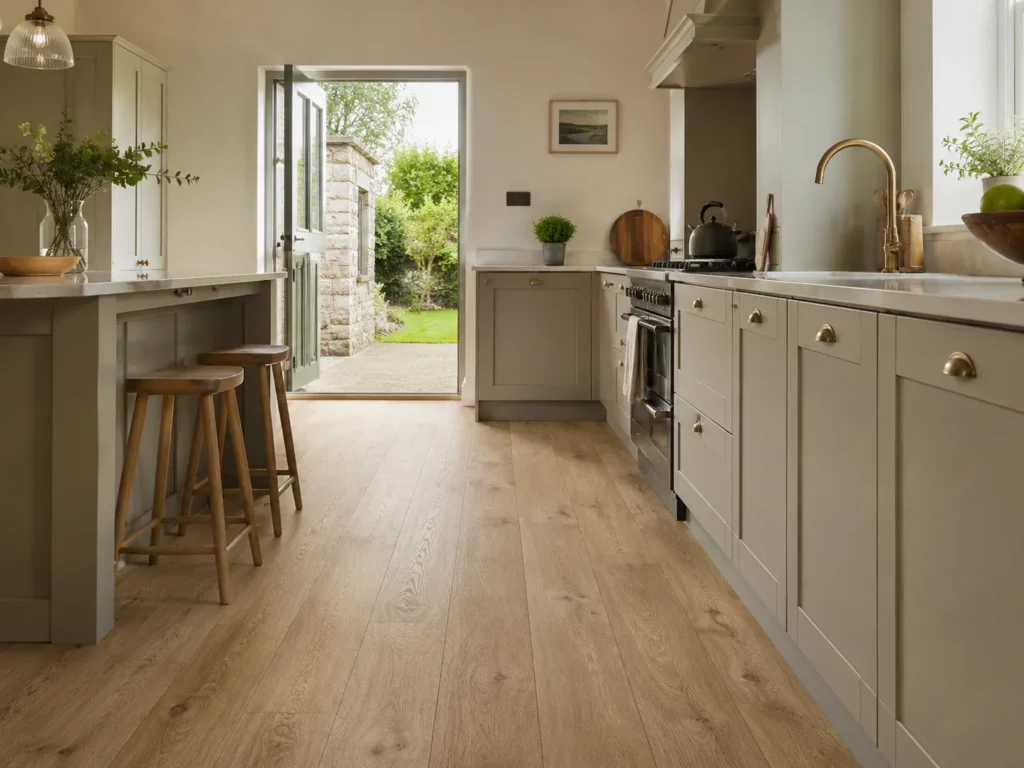
Continental Collection flooring for kitchens
Wood-like floors often work well in kitchens. Yet these spaces demand extra care, too.
Food prep happens on it. Spills land there too. Crumbs fall after meals. Chairs scrape across daily. Heavy appliances sit above. Cleaning routines target every corner. People walk through constantly. Many Irish houses link kitchens to dining spots nearby. Sometimes a back door opens straight out. Utility zones often attach directly. Living areas might flow into the space just beyond. Choices get trickier because of how rooms connect.
Water won’t always stay out just because it’s part of a named series. Each kitchen pick needs checking – some stand up fine, others don’t. A label alone won’t tell how well it handles spills. Look closely before deciding what goes on the floor.
Water on the floor often comes from spills, dripping appliances, or too much mop water. Even a small splash near the sink turns risky when left sitting. Because hidden drips grow into larger issues over time. Since some machines seep slowly without notice. Floor pools need immediate attention – except for gear built to handle wetness. Yet most materials weaken under constant damp.
When it comes to kitchens, take a close look at these details
Water-resistant or moisture-tolerant specification
Surface durability
Stain resistance
Slip resistance
Cleaning instructions
Expansion gap requirements
Suitable underlay
Subfloor moisture condition
Warranty limits
Dark floors tend to highlight every speck of dust. Yet light ones reveal spills fast. Natural oak sits in between – easy on the eyes, easier to live with. Medium tones manage both light and mess without fuss.
Starting strong with wide-open spaces, Continental Collection floors link areas without breaking the eye’s path. A room appears bigger when the ground beneath doesn’t shift styles mid-step. Still, what works near sofas needs to hold up around sinks and stoves just the same.
Start at the entryway with a mat by every rear door. Spills? Tackle those right away. Steam mopping is off limits if the brand says no. Water pooling on the surface – never let it sit. Watch spots where heavy tools live, like dishwasher zones or washer corners.
Here’s what matters most. Flooring from the Continental Collection might work well in kitchens – assuming it’s built to handle wet mops, drips near the sink, and daily wipe-downs. Check the specs closely before deciding.
Continental Collection flooring for living rooms
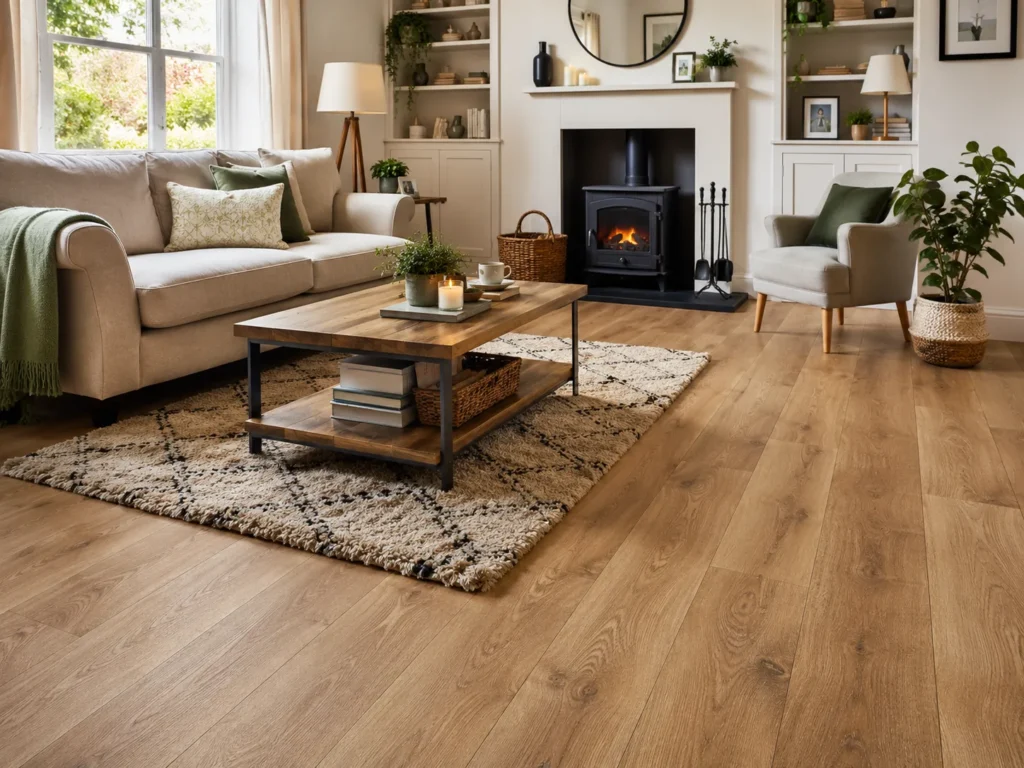
Most times, the living area shows off Continental Collection floors best. A space like that tends to highlight what these planks can do. Where people gather, the material often stands out more. It just fits how folks use that part of the home. Light, movement, daily wear – everything reveals its character there.
Beneath your feet here, patterns breathe freely – safe from kitchen spills or hallway dirt. Style leans into comfort; warmth wraps around routine tasks like an old habit.
Start with the floor, since it holds everything else together. Instead of fighting the furniture, let it flow into sofas, blend past rugs, connect through TV stands, slip around coffee tables, rise alongside fireplaces, tuck beside shelves, meet curtains at the edges, match walls just right. From the Continental Collection, pick one that stays calm under pressure – simple but strong beneath all the noise.
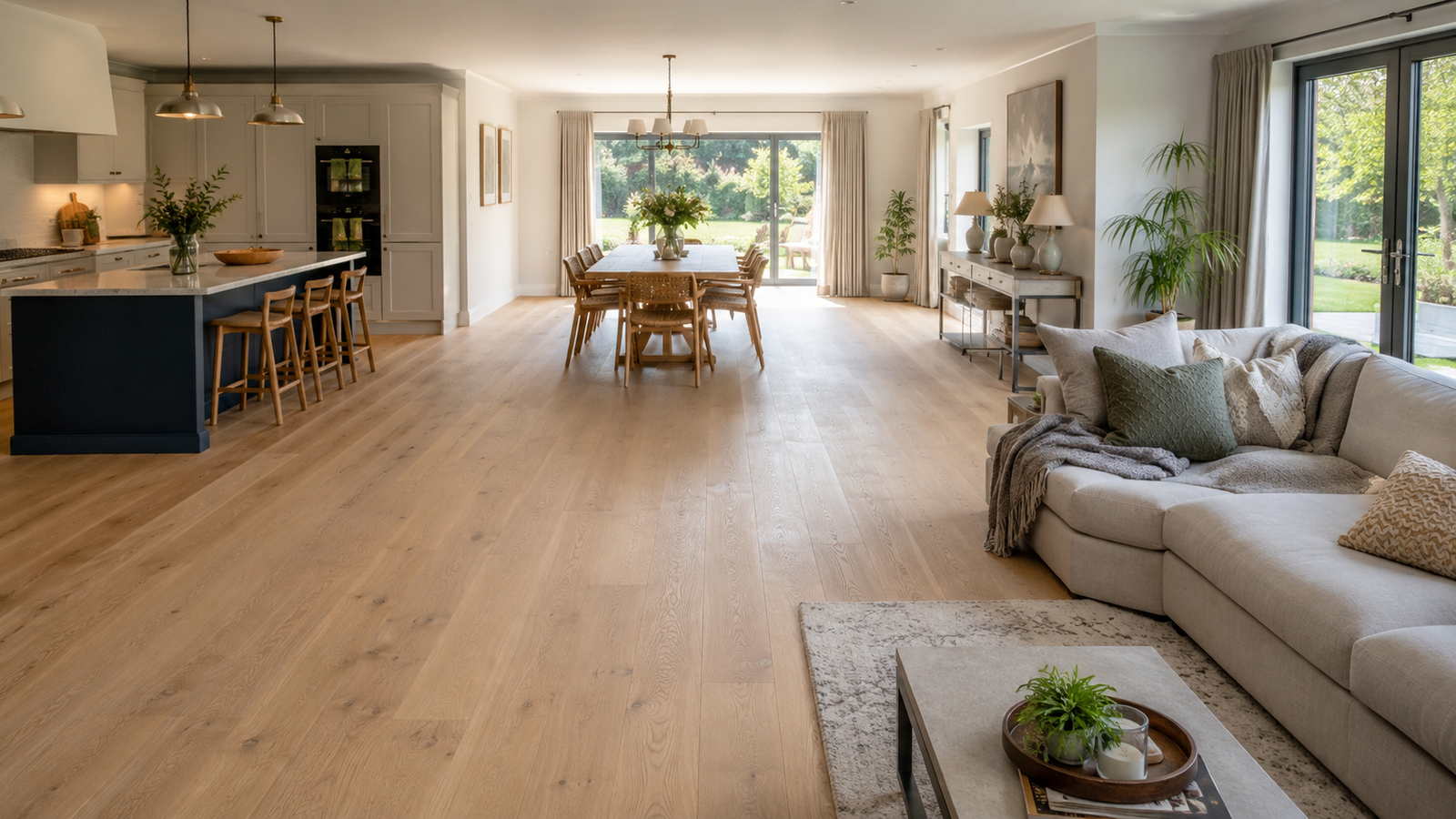
Open-plan Irish houses often benefit most. Flowing floor coverings link spaces like the lounge and eating zone, sometimes reaching the kitchen too. That kind of stretch gives a sense of more space, quieter vibes. Works just as well in compact flats or today’s single-level designs.
Living rooms usually need:
Comfort underfoot
Good underlay
Acoustic control
Scratch resistance
Furniture protection
A balanced colour tone
A finish that works well when sunlight hits it
Easy maintenance
Most people overlook what lies beneath. Yet that hidden layer shapes how a room feels every single day. Without support, floors creak or echo with each step. With better material tucked underneath, walking becomes softer, quieter. Think of places where footsteps travel through walls – shared buildings, two-house units, upper levels. Silence and ease start below.
Heavy couches sit still for ages, leaving their mark. Chairs and entertainment stands press down, slowly dimming the surface below. Sliding big pieces scratches more than helps. Little fabric cushions go well under table feet. Sitting areas feel better with a mat underneath. Floor spots stay clearer when covered.
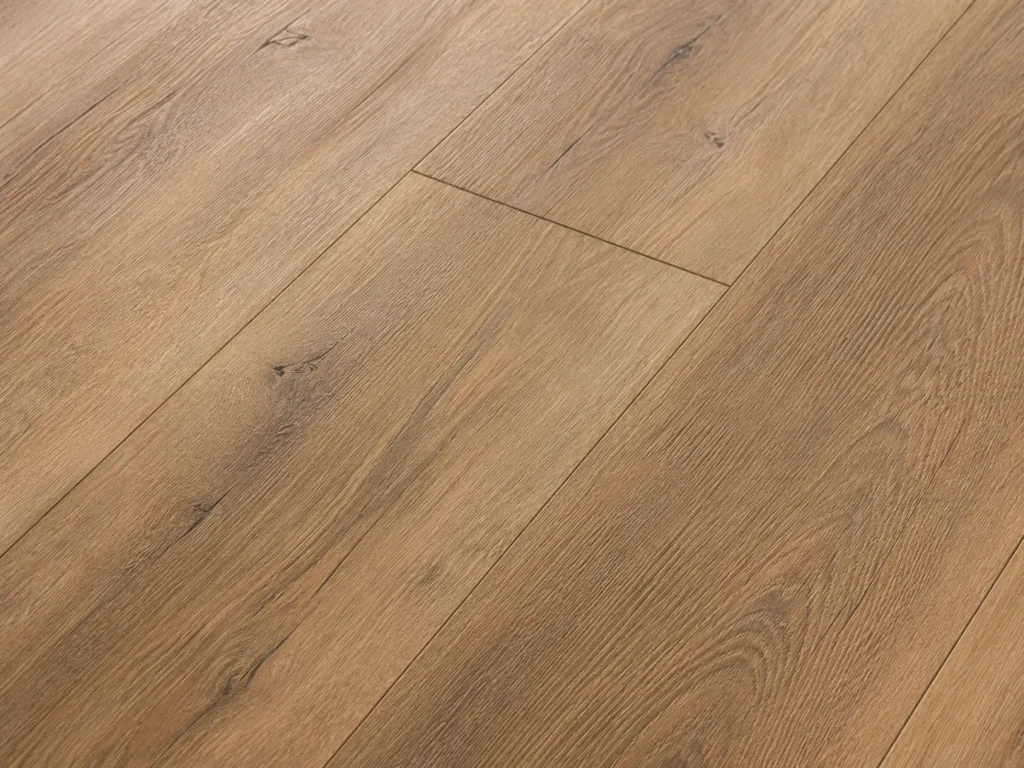
Warm oak still tops the list when picking a shade. Pair it with cream, white, beige, navy, green, or charcoal spaces – they fit just right. Small areas gain airiness from paler versions. Richer versions bring depth, though dust might stand out quicker.
Here is where most people settle on their favorite space for Continental Collection floors. The living room just fits – it shows off the look well, feels good underfoot, yet doesn’t face extreme wear every day. That middle ground makes it a top pick without pushing too hard one way or another.
Continental Collection flooring for hallways
Most people walk through hallways every day without thinking much. Yet these spots shape how a house feels right away. Bumping into walls happens often here – shoes, bags, kids rushing by. Little damage adds up fast in such tight areas.
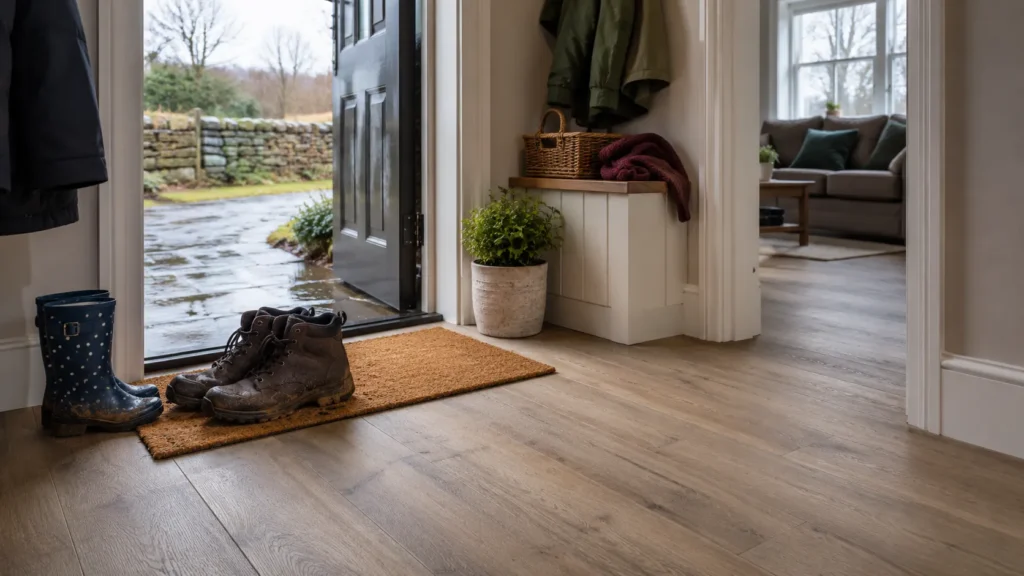
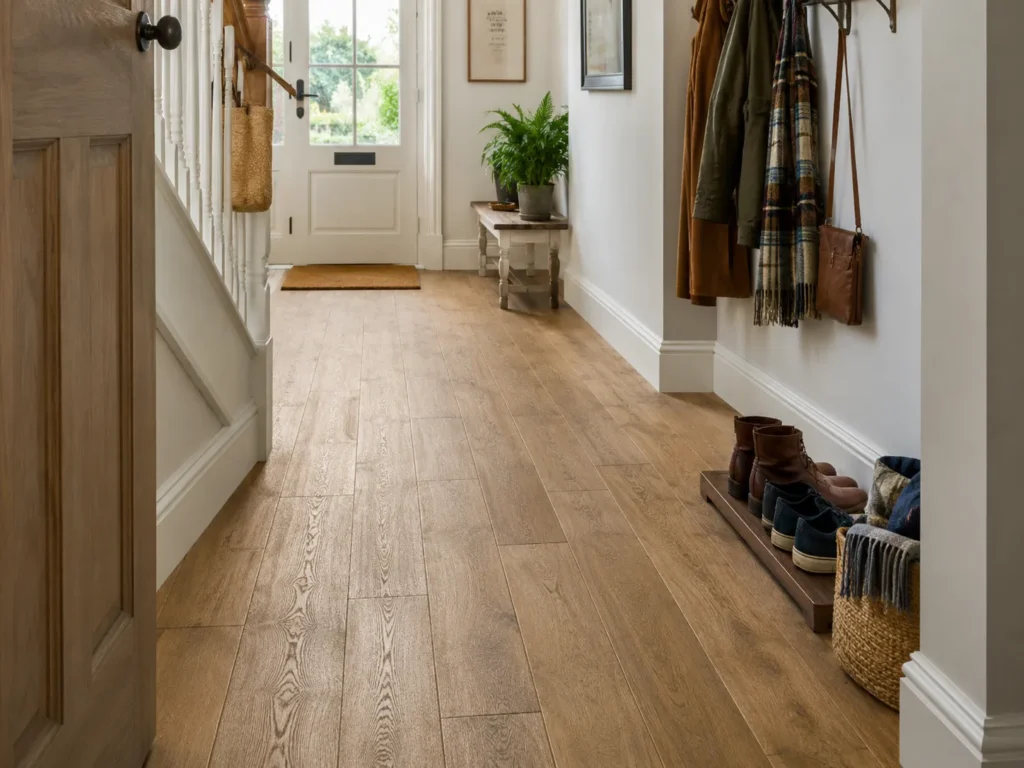
A space near the front door in Irish homes usually handles wet weather drips, muddy shoes, animal tracks, backpacks, strollers, packages dropped at the step, plus endless walking back and forth. First contact with what lies beyond the threshold? This area takes it all. Picking the right floor surface matters because of that.
A hallway might just shine with Continental Collection flooring. Brighter, longer, more complete – those are the vibes it brings to tight entryways. From doorway to staircase, the flow suddenly links living space, cooking zone, and steps without effort. The whole path ties together, quietly, naturally.
Yet durability matters more than looks here. The corridor isn’t meant for decisions based on style alone.
For hallways, check:
Wear rating
Abrasion resistance
Scratch resistance
Surface texture
Grip
Moisture tolerance
Cleaning guidance
Threshold detailing
Expansion requirements
Mat compatibility
Most times, tiny bumps on a finish keep smudges out of sight. Dust and little scrapes tend to blend in when the shade sits right between light and deep brown.
Step by step, entrance mats matter most. Outside, a sturdy mat takes on thick layers of grime first. Then – just past the door – a second mat picks up where the other leaves off, trapping dampness along with tiny particles. Over days, without these two working together, specks of stone and sand start wearing down flooring bit by bit. Floor finishes suffer quietly until scratches show through.
Foot traffic wears down floors faster near doors. That is why hallways need cleaning more than bedrooms or living rooms. Sweeping every few days keeps dust from scratching surfaces. Vacuuming once a week helps too, especially in high-use zones. When rain tracks in mud, grab a towel right away. Damp rugs can warp wood underneath if left too long. After storms, wipe baseboards where water splashes. Morning light shows spots others miss. A broom by the coat rack makes chores quicker. Floors stay smoother when moisture does not sit.
Trimming your pet’s nails helps when you can. Wheels on buggies need a quick look now and again – grit hides there. Little steps like these slow down wear on the floor.
Surprisingly, hallways win when it comes to showing off Continental Collection floors. Yet toughness matters most – only the strongest fit-for-purpose material holds up here. Without solid entryway defenses, even top-tier planks wear down fast.
Continental Collection flooring for bedrooms
Bedrooms are often one of the easiest rooms for Continental Collection flooring.
Spaces like these often see fewer footsteps, stay drier, yet still need care – just not as much as busy hallways or cooking areas. Because of that, they tend to suit cozy touches, softer materials, maybe a chair that invites lingering.
Warmth matters most underfoot when designing sleep spaces. Bedding pairs well with wardrobes, though rugs often shift the mood entirely. Nightstands sit quietly beside windows dressed in fabric that filters light gently. Flooring from Continental Collection offers smooth surfaces instead of fluffy textures without losing comfort. Soft glows reflect differently on hard finishes, yet the space stays cozy.
Bedrooms benefit from:
Soft natural tones
Comfortable underlay
Quiet footfall
Easy dust cleaning
Rugs beside the bed
Furniture protection
Warm visual texture
Low-maintenance finishes
| Room | Best reason to use Continental Collection | Main risk | Best product feature to check | Practical advice |
|---|---|---|---|---|
| Kitchen | Easy cleaning and open-plan design continuity | Spills and moisture | Water-resistant specification | Confirm suitability before fitting |
| Living room | Style, comfort, and warmth | Furniture marks | Wear layer and underlay | Choose finish based on interior style |
| Hallway | Durability and strong first impression | Grit, wet shoes, scratches | Abrasion resistance and texture | Choose the toughest suitable option |
| Bedroom | Comfort, quietness, and warmth | Furniture dents or sound | Underlay and finish | Use softer tones for calm spaces |
Open spaces love light oak – it bounces brightness around, tricks the eye into seeing more square footage. Wood in its natural shade? Always fits, never fights the mood of a space. Big rooms handle deep hues just fine, particularly if you mix them with glowing lamps and cozy textiles.
Beds in kids’ rooms face tougher wear. Bumps happen where toys pile up, chairs slide, desks get used. Rugs help protect floors right where play unfolds. Stick felt pads beneath table legs, chair feet – soft shields that stop scrapes.
Most times, guest rooms need less thought since fewer people spend time there. Comfort takes center stage in master bedrooms, along with how things look. When it comes to upper floor sleeping areas, picking the right underlay matters – quieter steps happen here, plus a softer touch when walking.
For those tired of vacuuming carpets, Continental Collection floors offer a simpler option. When wiped the right way, dust doesn’t stick around long on solid surfaces. Pet hair? It slides off instead of clinging when you sweep it up.
Comfort finds its match in bedrooms when choosing Continental Collection floors. A quiet space like this handles the material well, particularly with a cushioned base layer beneath. Soft rugs or thick curtains help too, making each step gentler. This kind of floor settles nicely where people rest. Little noise matters here, so the setup works without fuss. Peace stays present when materials align just right.
Room-by-room comparison table
Living space wins top spot by far. Still, comfort leans most there. That place just feels right somehow.
A space that does a lot? The hall. It hits hard without trying.
A space built just for rest tends to feel most like home when it’s your sleeping area. While other rooms serve many purposes, this one wraps you in quiet each night.
A space built for doing things, careful moves matter most where meals come together.
A smart move might be combining kitchen, living, and dining where layout rules permit. What works well often depends on how the space is defined by design limits. Sometimes opening things up makes sense – other times not. Room flow can shift dramatically based on build details. One factor always matters: what the plan actually supports.
Best colours and finishes for Irish interiors
A splash of colour shifts the mood in a space. Yet it quietly shapes how simple life on that surface really stays.
Bright spaces often come alive with light oak tones across Ireland. When sunlight slips through windows, these shades help it stay longer inside. Tiny bedrooms feel open when floor colours lift the eye upward. Even city flats welcome them for a clean quiet look. White walls next to pale wood create calm corners without fuss. Cream cabinetry pairs easily, never fighting for attention. Simple furniture fits right in, like pieces meant to belong together.
Wood that keeps its look over time often leans toward natural oak shades. These tones fit right into sleek spaces just as easily as they settle into classic rooms. Matching them feels simple – think oak doors alongside pale trims, soft wall colours, deep blue cabinets, or cozy wooden pieces. Unlike bold hues chasing quick fads, these earthy browns hold up well with years passing by.
Beige shades bring a quiet kind of warmth. Where calm matters most, brown fits right in. A room might seem more at ease with these hues near. Bedrooms often hold them close, just like living spaces do.
A space with cool-toned walls might turn too chilly if paired with gray floors. When natural light is scarce, the combination risks feeling flat. Timber pieces help bring warmth where gray dominates. Rugs introduce softness underfoot while breaking up large stretches of pale concrete tones. Lighting matters – warm bulbs shift how color behaves across surfaces. Textured fabrics on seating or windows add depth without relying on hue alone.
Most of the time, matte surfaces give off a softer vibe compared to shiny ones. Besides that, they’re less likely to show tiny scuffs. Surfaces with texture? They help your hand hold on tighter while keeping minor scrapes out of sight.
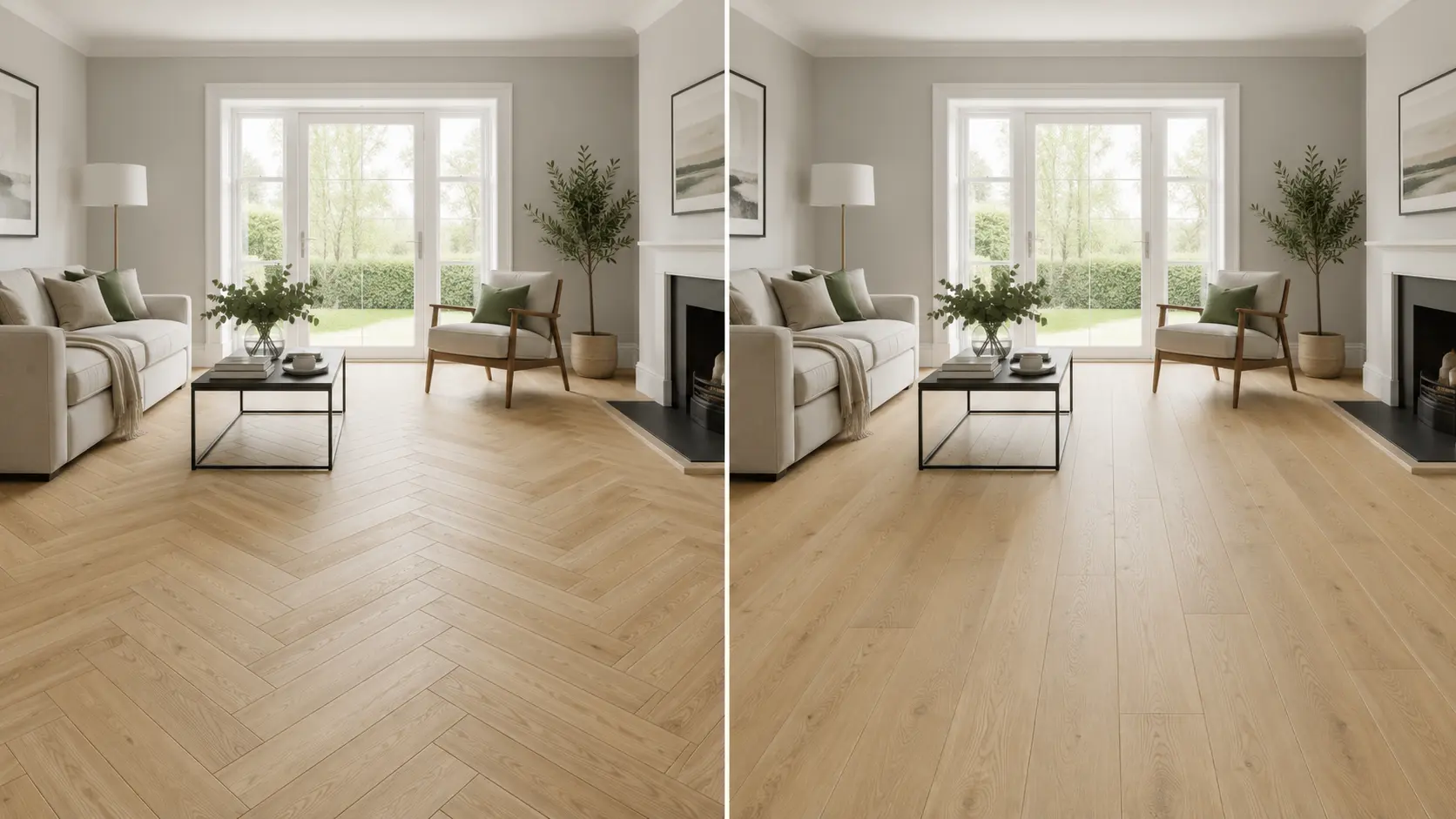
Spaciousness often comes easier with wider planks underfoot. Over time, basic plank designs tend to hold up better in most homes. Patterns like herringbone bring flair – though fitting them right means extra thought.
Lighter shades work better when space feels tight. Pick pale hues if walls sit close together.
Home settings work best with steady middle shades. Tough colors last longer where kids live.
Start with cozy earth tones if starting fresh. Wood touches help soften modern lines. A bit of stone adds quiet depth nearby.
Older houses lose charm when surfaces seem fake. Try steering clear of anything shiny or obviously man-made looking.
Walls painted in sensible shades show less wear when renting out a place.
Right after you live with it every day, some shades surprise you by holding up well. A hue might grab attention under bright lights, yet fade into awkwardness at home.
Installation factors Irish customers should not ignore
A solid floor starts long before the first plank goes down. Most issues arise because of rushed installation, never the material chosen.
Got a floor underneath that can handle new material. Needs to stay dry, clear of junk, sits flat without wobbling. Check for damp spots long before laying anything down. Solid base makes the whole thing hold right.
Moisture tends to climb up through concrete bases, so watch closely. Where timber sits underneath, shifts happen – sometimes noise tags along too. Uneven spots hide in older builds, calling for smoothing out first. Even fresh constructions aren’t safe; testing dampness comes before laying anything down.
Important installation factors include:
Subfloor moisture
Concrete condition
Timber floor movement
Levelling compound
Expansion gaps
Door thresholds
Underlay quality
Skirting or beading
Room temperature
Acclimatisation
Underfloor heating compatibility
Manufacturer instructions
When temperatures shift, flooring shifts too – room to breathe keeps it safe. Without these small spaces, planks have nowhere to go when they swell. Walls and cabinets can trap boards trying to expand. Trouble starts quietly: a slight rise here, then a warp there. Floors pushed too hard will fight back by lifting or bending out of place.
A strip at the doorway makes a difference. If it’s messy, the whole floor seems off. Skirting feels similar when done poorly. Beading? Same story.
Check underfloor heating setups closely. Some floor types work with certain systems, others do not fit at all. Each part – flooring, padding below it, glue used, how it is put down – has to match up well together. Staying within heat ranges matters each time.
A wrong step might mean trouble later – kitchens, wide rooms without walls, tight hallway spaces or floors that never settled right often need expert hands. Skilled setup lowers danger when things get tricky underfoot.
Cleaning and maintenance tips by room
Even though every Continental Collection floor needs its own specific routine, basic upkeep works well in many spaces. A different method might suit one area, yet another could thrive on less attention.
Kitchen cleaning
Wipe spills quickly.
Mopping works best when the cloth feels slightly wet. A microfibre pad holds moisture well, gliding without soaking the floor.
Let water stay off the surface. Never leave it sitting there.
Steer clear of strong chemical cleaners.
By sinks, set down mats. Near rear exits, position them too.
Start by looking at appliances right away if they might leak.
Steam cleaning might damage it if not approved first.
Spills linger, then stain – kitchen surfaces suffer when cleanup drags on. Moisture sneaks in, wood swells, finishes peel without quick attention. Time stretches, problems grow; a minute delay invites bigger messes later.
Living room care
Felt pads go nicely beneath sofas, keeping floors safe. Chairs slide easier when these little protectors are tucked underneath. Tables stand steady without scratching surfaces below.
Lift furniture instead of dragging it.
Vacuum with a suitable floor attachment.
Use rugs in seating areas.
Avoid abrasive cleaners.
Dust sticks around until someone deals with it. Before that happens, wipe things down now and then. Grime grows when ignored too long. A quick pass stops messes later on.
Freshness sticks around when you skip harsh scrubs. Most times, a soft wipe now keeps things tidy later.
Hallway protection
Use strong entrance mats.
Remove grit often.
Water spots vanish fast when you wipe them right away.
Clean pet paw marks.
Leave dirt too long, it sticks harder. Wash it off while still wet.
When rains come, that is when sweeping happens.
Protect areas near the front door.
Floor surfaces suffer when dirt gets walked across them, so entry paths see more scrubbing. Dust dragged inside acts like sandpaper under shoes, which is why these stretches get wiped down often.
Bedroom maintenance
Use pads under wardrobes and beds.
Add rugs beside beds.
Vacuum dust regularly.
Avoid dragging storage boxes.
Beneath chairs and tables gets dust sometimes. Try wiping there if you can reach.
Start gently with delicate tools while cleaning by suction. Finish each pass slowly so surfaces stay safe.
Cleaning up takes less time here, though marks on floors from heavy pieces show wear. Dust sticks around even when things seem tidy.
When Continental Collection may not be the best option
Built for charm, Continental Collection floors shine in plenty of spots – yet some areas just won’t suit their nature. Though they fit well in living zones, certain environments push back against their limits.
Watch out near sinks where spills happen often – floors take a beating there. Water sneaks in when you least expect it, especially downstairs or in workspaces built for tough jobs. Humidity hangs around in those corners that never quite dry. Places like laundries or storage zones see constant drips, day after day. Even sturdy materials start to weaken under steady pressure from moisture. Heavy traffic adds stress, top of all that dampness piling up underneath.
Water often touches floors in bathrooms and wet areas, so they require special materials. Just because a floor works in a bedroom does not mean it will work where moisture is common.
Water damage might happen where laundry gear runs. Sinks drip, machines leak, moisture builds – especially when used often. Tough floors handle spills better in busy spaces.
Heavy-duty areas often demand stronger floors. Where people move through all day, regular household types can fall short. Rolling carts, repeated washing – these push materials to their limit. Some settings simply require tougher solutions than standard options offer.
A shaky base spells trouble down the line. When moisture lingers beneath, surfaces tilt, or weakness shows through, what’s laid on top won’t last. Get the groundwork right before moving forward.
Depending on the space, a different floor might work better – maybe laminate, engineered wood, or even tile. Cost, look, and how much wear it will get play a part in deciding. Sometimes SPC, LVT, parquet, or another option fits just right.
True choice in floor materials skips pushing a single option everywhere. Instead it fits each area with what suits it best.
Why this guide is trustworthy
Homeowners in Ireland will find this guide useful when looking for real answers about floors. Not every tip out there helps with daily life on the ground level. Clear ideas come before trends here, because what matters most shows up underfoot. Choices get explained without leaning on fancy words or promises that fade. The focus stays on what works where people walk, sit, live. No distractions. Just steps that make sense for homes that are lived in.
When it comes to Irish homes, wet weather often means soggy floors from muddy boots. Pets move around a lot, leaving traces on surfaces day after day. Some houses have aging bases underneath that aren’t perfectly level or new. Open spaces connect rooms without walls getting in the way. Heat sometimes rises up through the floor from below. Families pass back and forth constantly, wearing down materials over time. Cleaning happens often, needing resilience against repeated scrubbing.
Rooms serve different jobs, so they stay apart. Not once does a bedroom match a hallway. Living spaces never act like kitchens do. Each floor picks its fit from what happens inside daily.
Because flooring choices depend on exact specs, the guide chooses words carefully. Room by room, suitability shifts – details must always come before decisions.
A fresh look means nothing if it fights your space. Pick what fits how you live, not just what catches the eye first. Room needs come before pretty details every time.
FAQ
Continental Collection Flooring in Kitchens?
Floors from Continental Collection might work in your kitchen – but only when they’re built to handle damp conditions. Spills happen here every day, mopping comes often, footfall piles up, appliances shift around. Look closely at what each option promises before putting it down. Leaks that won’t quit? Constant wetness near sinks or floors? Then something else could hold up better. Details matter most.
Using Continental Collection Flooring in Hallways?
Most hallway floors take a beating without much thought. Though looks matter, what really counts is toughness against scraped-in dirt and damp soles. Picking the right Continental Collection plank makes a difference if scuffs and scrapes happen often. Because footfall piles up fast near doors, protection starts at entry points. Mats help – especially ones that grab gunk before it spreads. Spills move sideways on hard surfaces, so wiping early stops slow damage. A tight sealant resists dents better than glossy coatings that crack under stress.
Continental Collection Flooring in Bedrooms?
Most times, bedrooms suit Continental Collection floors quite well. Since they’re less damp than kitchens, plus see fewer footsteps than entry areas, conditions stay kinder to the planks. A proper base layer adds softness underfoot while muting noise above all else. Choosing light oak or anything with a sunlit grain brings peace into the space without trying too hard.
Best Room for Continental Collection Flooring?
Most times, the living space stands out simply by feeling right. Comfort meets style there without trying too hard, while daily use doesn’t ruin it fast. Instead of focusing elsewhere, many find that rooms meant for resting rank high when softness matters most. Along hallways, long-lasting materials help since feet pass through often. In cooking areas, liquid leaks plus damp air mean extra attention pays off.
Continental Collection Flooring and Irish Weather?
Sometimes a floor works well in Irish houses, but only if it matches the space. Rain tracks in mud, wet soles leave marks, tiny stones scatter, air moisture shifts all season. Entry zones take most of the stress, cooking areas get spills too. Mats at doors catch mess early, installation done right stops lifting edges, wiping routines prevent buildup over time.
Continental Collection Flooring and Underfloor Heating Compatibility?
Sometimes it works with underfloor heat – but only when the exact model allows it. Look up what the maker says before deciding. The base layer, floor underneath, how it’s installed, and heat range need to fit together just right. Just because it looks like a match doesn’t mean it will handle the warmth.
Cleaning Continental Collection Flooring?
Start cleaning with a gentle brush or a vacuum head made for delicate surfaces. A wet microfibre cloth works well too – just make sure it is not dripping. Too much moisture might damage the material, so keep things light. Harsh cleaners? Skip them. So are rough scrubbers – they do more harm than good. If something spills, act fast, particularly near cooking areas. Little stones and sand in entryways need regular removal; they wear down the surface over time. Every item has its own rules – check what applies to yours before doing anything.
Should I choose the same flooring for kitchen, hallway, and living room?
One floor covering throughout gives spaces a smooth connection. Still, pick material tough enough for high-traffic spots, not just quiet corners. When floors stretch from kitchen into hall, study how well they handle dampness first. Resistance to scratches matters too, so examine that closely. Texture plays a role – make sure it fits both utility and feel underfoot. Instructions on upkeep should guide your choice as much as looks do.
What about Continental Collection compared to laminate or engineered wood when it comes to floors?
Sometimes it comes down to what you need the floor to do. A space might call for something sleek but tough, where Continental Collection could fit just right. When wet areas are involved, materials like LVT or SPC often handle things more easily. Engineered wood gives a real feel without solid timber’s fuss. Each choice moves differently underfoot, during setup, over time. How long it lasts ties closely to how it’s made, where it goes. Think about spills, sunlight, pets, foot traffic – all shape the outcome. Some surfaces scratch easier, others fade when lit too harshly. Installation can shift the whole timeline, cost, effort. What looks sharp at first might demand extra care later on.
Continental Collection Flooring Stores in Ireland?
Got to check where they sell Continental Collection floors – some shops carry them, others don’t. Look close at the details before you decide. Room type matters, so does how it handles moisture, what goes underneath, and how it gets put down. Warranty? Delivery time? What happens after purchase? These bits shape whether it works long term, not just on day one. Picking by look alone might backfire later.
Final recommendation
A fresh look begins where flooring fits just right in Irish households. Room by room, choices click into place with ease. Where space meets design, results feel at home. Matching matters more than size or shade. Right pairings bring calm without effort. Style follows function quietly here.
Most times people pick living rooms since these spaces feel cozy, look good, stay tough without trying too hard. Bedrooms come close behind – less noise, more warmth, easier on materials over time. A hallway might catch eyes right away, though what matters most is how much traffic it handles. In kitchens things go differently; water levels matter, so does knowing exactly how to clean whatever goes down there.
Start with how it feels underfoot. Picking just by shade misses the point entirely. Instead, think about where it goes – kitchen steam, hallway scuffs, bathroom spills shape what works. What sits on top matters too – heavy cabinets demand strength. Daily sweeping beats occasional mopping when judging upkeep. Years pass fast; wear shows quicker than expected.
From kitchen to bedroom, Continental Collection floors fit right in – wherever life happens and surfaces must keep up. Hallways see heavy traffic; here, durability matters just as much as looks. Living rooms ask for warmth underfoot, plus resilience against daily wear. Each space brings different demands, yet the same attention shapes the result.