Skip to content

Most Irish rental homes demand sturdier floors than typical residences. People shift sofas and chairs regularly, footwear often stays on inside, meals get prepared every day, and cleanup tends to be fast. Because of this, landlords face repair choices each time a tenant leaves. Weather also brings dampness, outdoor boots track in moisture, hallways collect debris, city dwellings mean shared spaces, and repeated washing adds stress. All of this makes floor durability a higher priority.
Most rental homes in Ireland can handle Continental Collection floors well, provided they go into suitable spaces. A wood-like surface gives broad visual appeal without demanding much upkeep. Value matters too, since this option can lift a property’s look at a lower expense. Yet decisions need checking first: examine each model’s specs, where it fits best, how much dampness it tolerates, how installation works, and its resistance to foot traffic.
Why rental properties in Ireland need tougher flooring
Rental floors face different demands. While owners might protect their surfaces with caution, tenants bring shifting patterns, different ways of moving, cleaning, and arranging furniture, and these habits test durability differently.
First things first, Irish entry zones get messy fast. Footwear soaked by rain tracks water inside, alongside open umbrellas dripping near doors. Grime sticks to soles, then spreads step by step into hallways. From there, it moves deeper into living spaces. Apartment buildings add extra challenges. Stairwells bring particles indoors. Elevators move extra debris between floors. Shared doorways become collection points for tracked-in soil.
Each time a new tenant moves in, extra strain hits the flooring. Furniture like beds, sofas, and desks often shifts during changeovers. Appliances get carried across rooms when tenants switch out. What appears flawless at first glance might develop scuffs fast, especially if the finish lacks resilience. Weak underlay undermines durability from below. Even minor flaws in subfloor prep become obvious once foot traffic increases.
Between rentals, landlords value surfaces that wipe down easily. Though carpet feels soft underfoot, spills sink deep, smells linger, and older wear shows clearly. Surfaces that mimic hardwood wash quicker, show fewer marks, and appeal more in listing photos. A clean finish also helps the property look more ready for new tenants.

Because of this, picking rental flooring based solely on colour makes little sense. Room function matters just as much, and so does potential water exposure. Cleaning demands play a role, naturally. The wear resistance level cannot be ignored either. The cost of future replacements weighs in too. Tenant profile often shapes what works best over time.
Continental Collection flooring explained
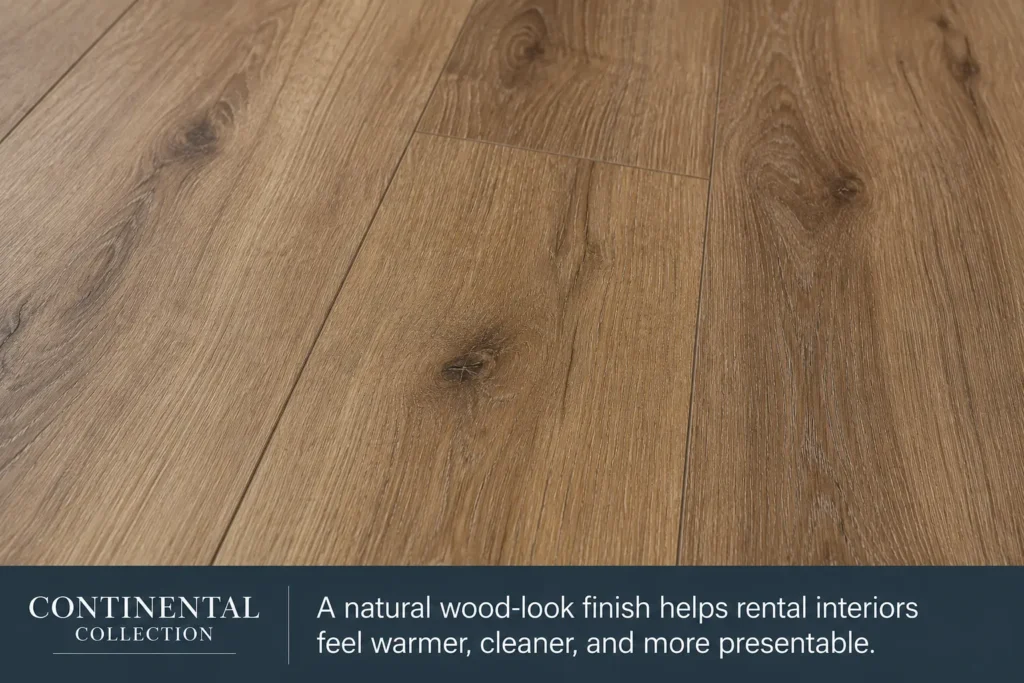
Continental Collection flooring stands out because it offers the look of real wood while staying within a more practical budget. A room fitted with it can feel warmer and more finished, with tones that suit everyday interiors. Instead of high prices or constant refinishing, this material brings simplicity into design choices. Its strength lies in being low on fuss yet steady in visual appeal.
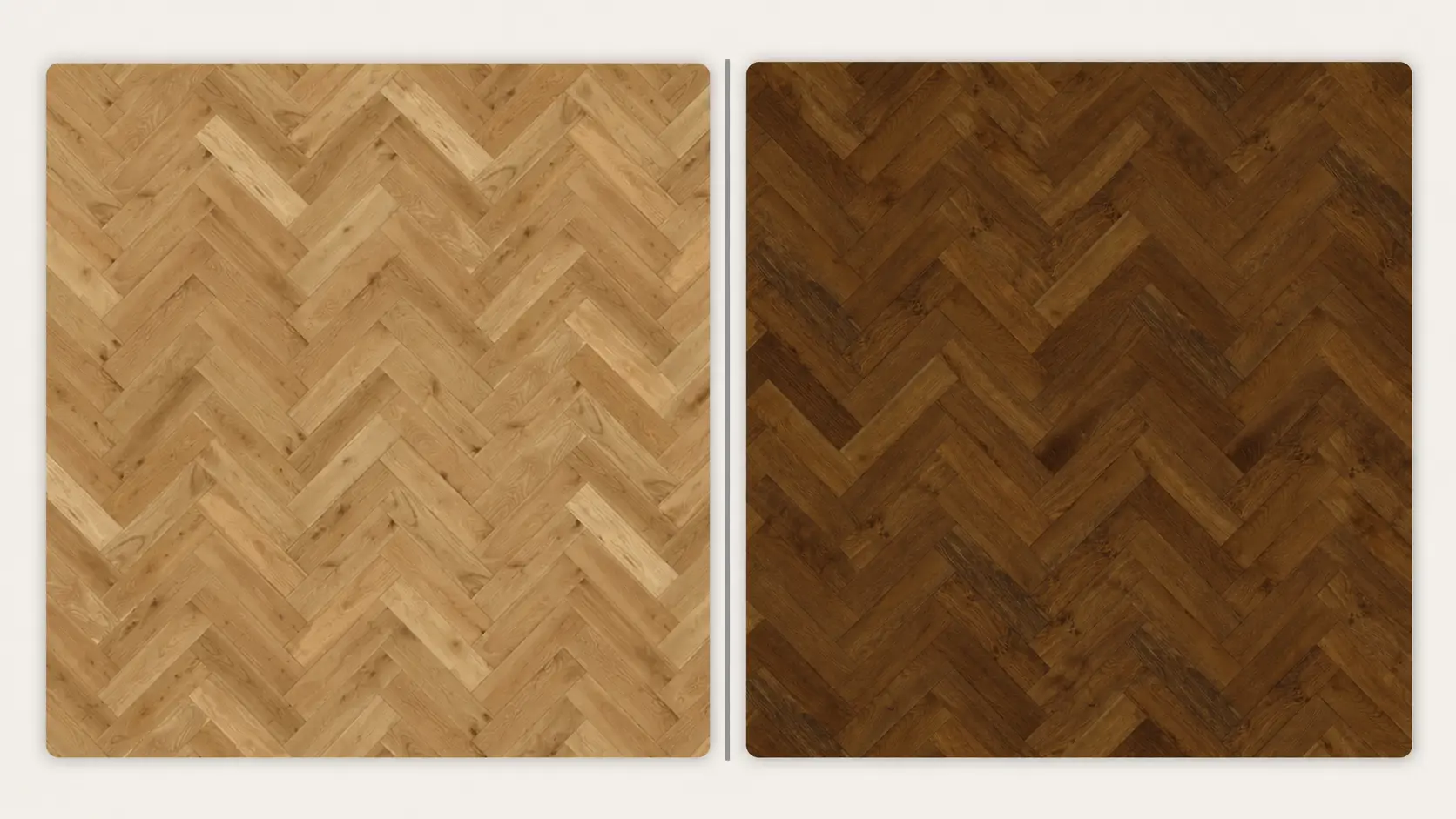
Landlords care about flooring choices because they show up in photos online. First impressions count, and light-coloured oak often works well. Grey tones add a simple modern finish without overwhelming the space. Walnut brings depth, yet stays warm enough for most tastes. Natural-looking finishes tend to match various furnishings easily. Since tenants change, floors should stay flexible in appeal. Some shades reflect light better, making rooms appear larger than they are.
Still, it is a mistake to think all flooring that mimics wood behaves identically. What lies behind the surface shapes the result. A thicker plank may withstand stress better, while a strong top coating resists scratches more reliably. Higher AC ratings usually handle heavy foot traffic with less damage. Some versions hold up when wet; others swell if exposed. The way panels lock together affects stability across time. An uneven base undermines even premium materials. How carefully someone puts it down influences how long it lasts.
Though durable in many areas, Continental Collection floors suit only certain environments. Dry zones like bedrooms or hallways work well. Where moisture appears often, such as bathrooms or utilities, another option might last longer. Performance depends heavily on conditions, so always match the material to room needs. Kitchens fall into a grey area and should only be considered if the specs clearly support that use.
Landlords and Continental Collection flooring
Most landlords weigh expenses, looks, and wear resistance when choosing materials. Flooring from Continental Collection fits naturally into this mix due to its balanced traits.
A fresh surface offers a neater appearance compared to worn carpet or dated vinyl flooring. Because it flows smoothly between spaces, compact Irish residences can gain a sense of openness. Starting in the entryway and moving into the lounge, one consistent wood-look finish brings order. This kind of coverage reduces visual breaks while simplifying upkeep.
A smoother surface can make spaces feel cleaner and newer, which matters to renters. Because it looks well kept, people often find it more attractive when choosing a place. Cleaning takes less effort since dust and spills do not sink into hidden layers. Over time, this kind of flooring resists lingering smells that worn carpet sometimes holds.
Managing multiple rental units gets smoother when floor choices stay uniform. A repeated material pattern cuts down on guesswork during upkeep tasks. Over time, matching surfaces speed up updates before new tenants arrive. Ending a lease often reveals minor damage, and extra planks kept aside can fix those spots quickly. Repairs become easier when leftover pieces are already onsite.
What stands out is how well it works in real situations. For a rented space, top price tags matter less than smart choices. Appearance counts, but durability matters more. The surface must handle daily life without demanding endless upkeep.
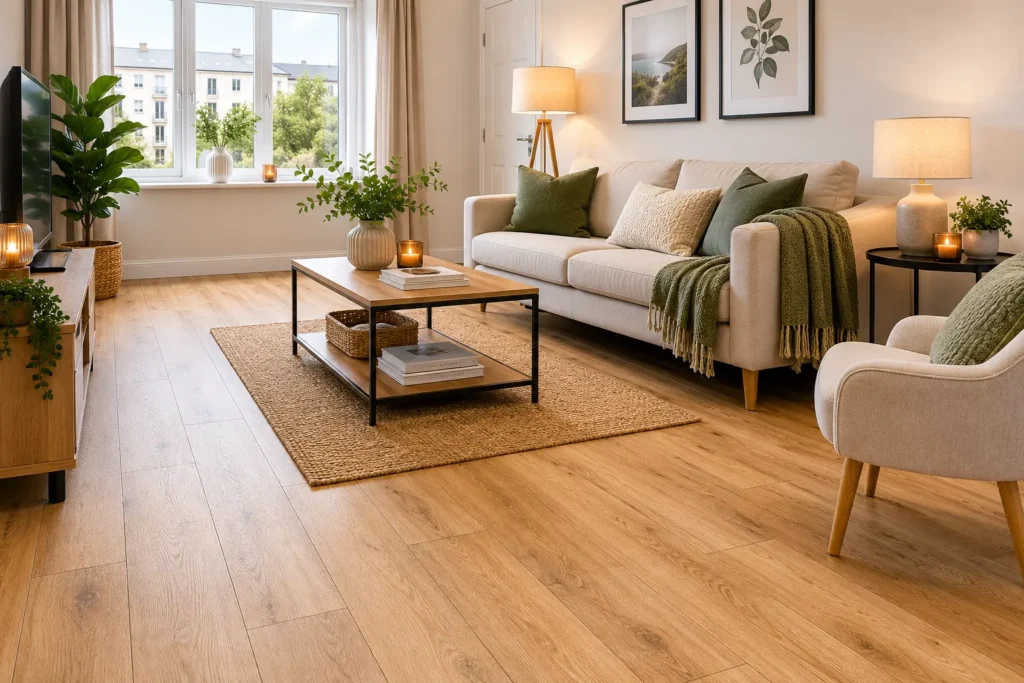
Rooms suited for Continental Collection floors in rentals
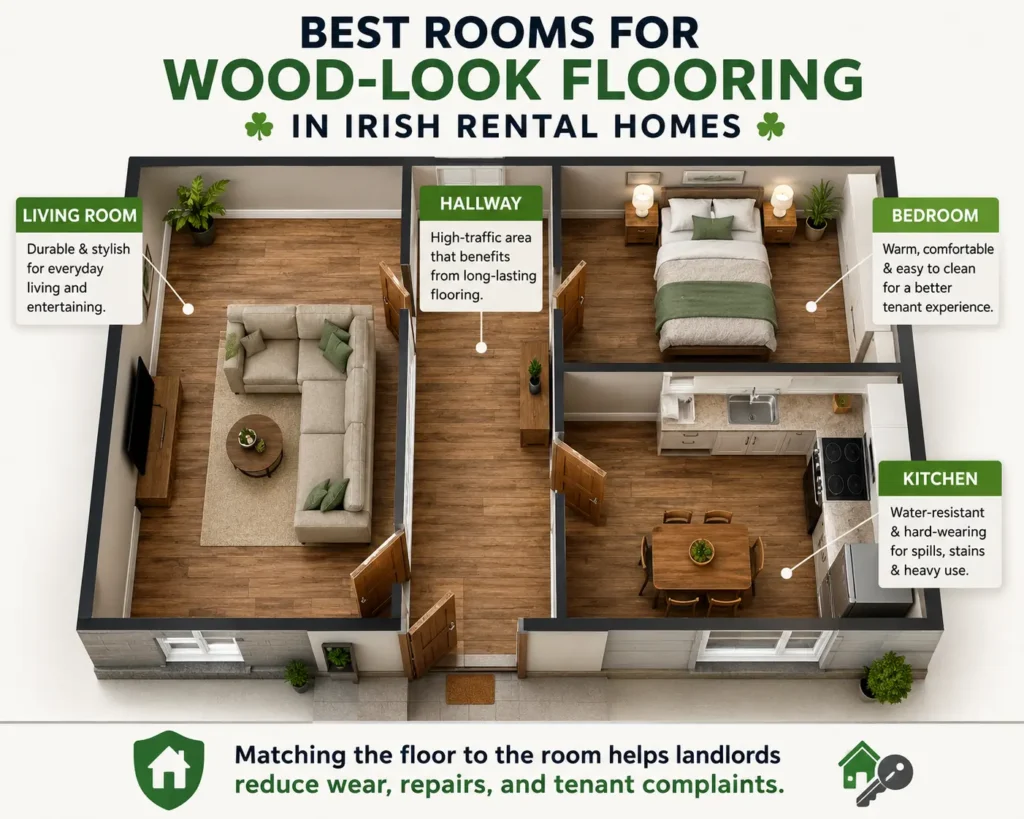
Hallways and entrances
Foot traffic builds up in hallways, making durability essential underfoot. Items like shoes or bags add strain each day. Deliveries pass through and leave subtle wear. Bicycles may bump along during entry, testing surface resilience repeatedly. Even pets contribute to gradual changes beneath their paws. Furniture shifts occasionally, dragging weight that challenges materials over time.
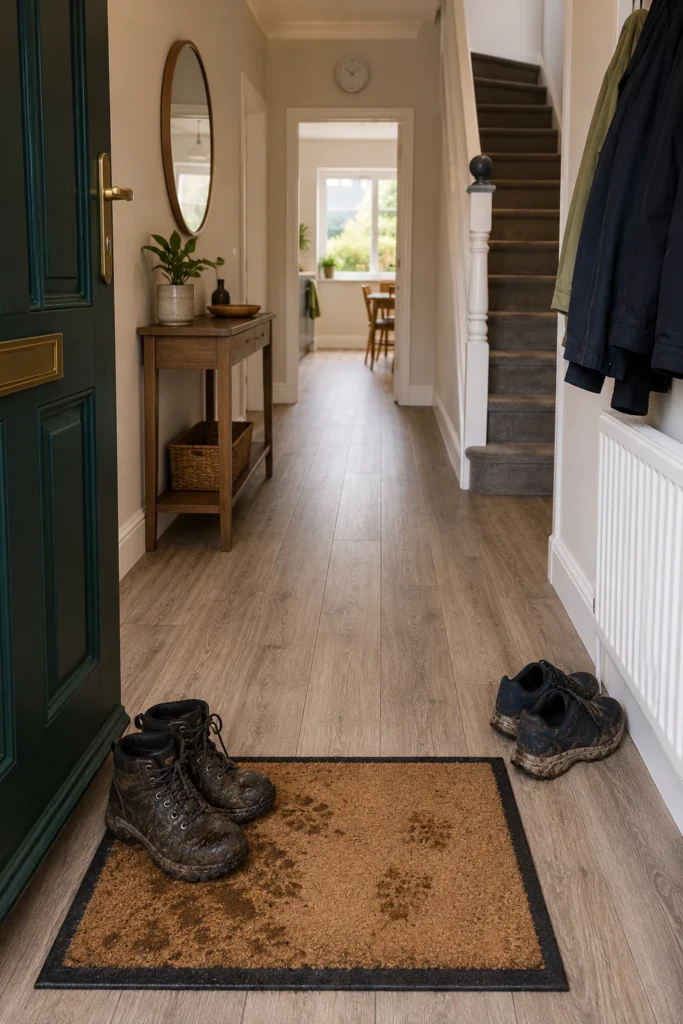
Most foot traffic passes through hallways, so flooring choice matters. When entry points stay clean, Continental Collection planks hold up better under daily wear. Placing a sturdy mat just past the threshold helps slow dirt transfer. Grains of sand often get caught in its weave instead of grinding across wood finishes. Moisture levels also drop once damp shoes meet absorbent fabric early on arrival.
Checking thresholds matters just as much as watching expansion gaps. Where doors meet flooring, a loose fit may lead to shifting, edge wear, and trapped humidity. Movement often starts where pieces do not align properly.
Living rooms
Most people spend time in living rooms, making them key spaces for this flooring choice. Appearance matters during showings, photos, and daily life with renters. Furniture like couches, low tables, and entertainment centres must not damage the surface. Heavy use from walking across it every day is expected too.
Wood-look flooring brings warmth to a space while staying easier to maintain than carpet. Because maintenance is simpler compared to fabric coverings, upkeep becomes less demanding over time. Renters may find it useful, since placing rugs does not mean covering everything up. The material stays visible beneath scattered textiles, offering flexibility.
Bedrooms
Most bedrooms see less humidity and fewer footsteps. Because of this, Continental Collection floors can fit well there.
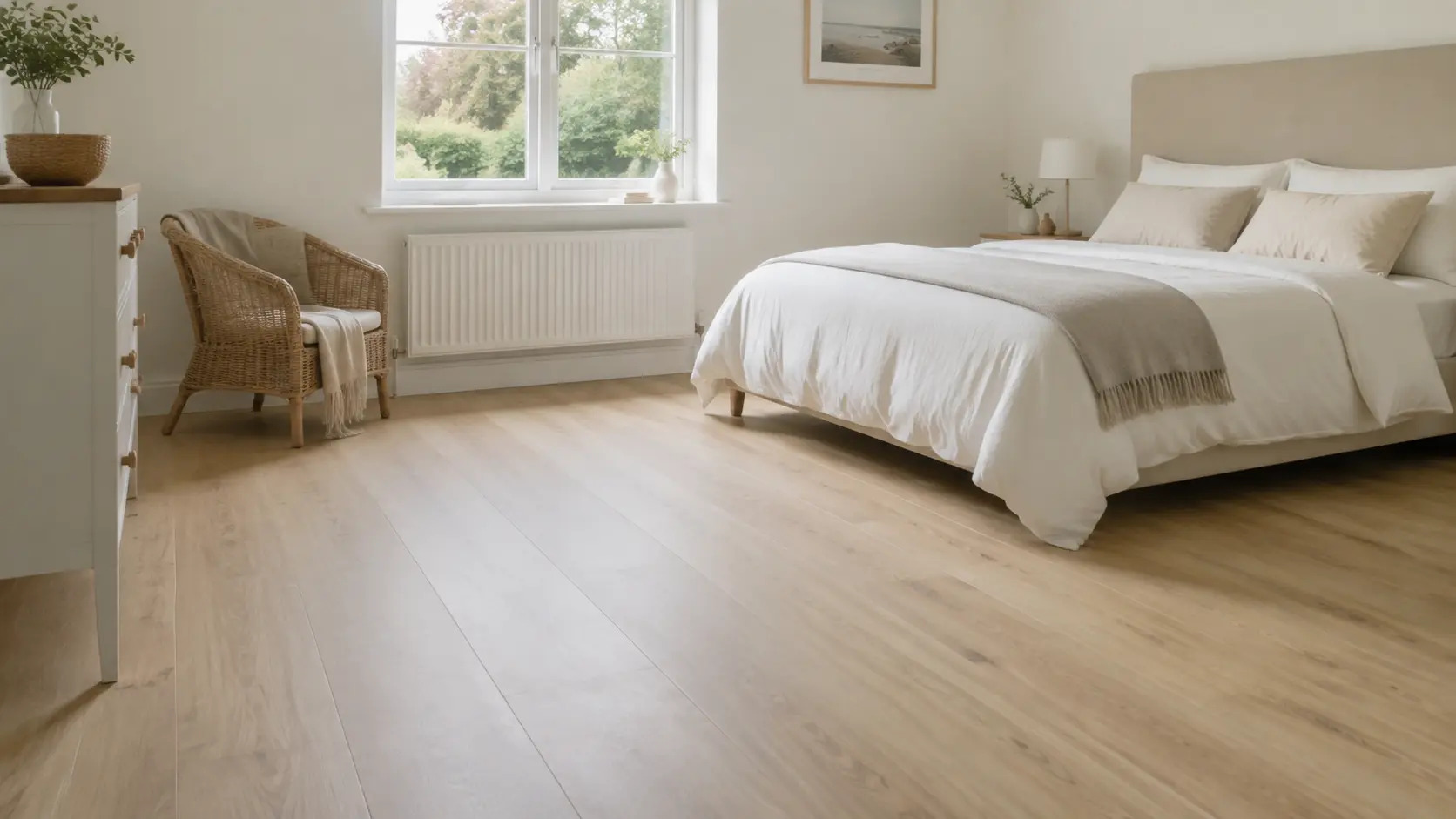
Besides being simpler to update when someone moves out, bare floors in bedrooms help landlords maintain cleanliness more efficiently. Without carpets, there is less worry about permanent marks or trapped odours. A compact space may appear tidier with hard surfaces underfoot. If desired, occupants can add rugs for warmth.
Kitchens
Kitchen floors face more pressure, especially where water and food are involved. Steam rises after boiling pots. Dropped utensils can mark the surface. Chairs drag during meals and may scratch beneath foot traffic. Spilled sauce and liquids can leave stains if ignored. Every meal prep adds wear.
Some kitchen setups can handle Continental Collection floors, provided they resist damp well enough. Installation quality makes a big difference, so getting it right from the start helps avoid problems later. Property owners should review exact specs before deciding on placement indoors. Edges need sealing tightly, spaces left for shifting must match guidelines, and wet spots require immediate attention after accidents happen. Each detail plays its part when long-term performance counts.
If moisture is a concern, LVT, SPC, or tile may handle it better. These options resist damp more effectively in areas where wetness lingers. Not every floor type survives puddles, so in humid spots these materials may stay intact for longer. Where water appears often, choosing one of them makes sense.
Bathrooms and wet rooms
When it comes to bathrooms and wet rooms, regular laminate-style flooring often falls short unless the material is built to handle moisture. Though many laminates resist scratches, few can withstand constant dampness without swelling or warping. Where water collects regularly, only specially engineered options hold up over time. Standard versions absorb humidity, leading to lifting edges or damaged subfloors. So while they mimic wood well in living spaces, such floors struggle where splashes are routine. Durability here depends entirely on whether the core board repels water. Without that protection, even small leaks cause long-term harm.
Bathrooms and kitchens face regular exposure to moisture. Steam rises after showers, spills happen, and small leaks may go unnoticed. When moisture meets the wrong flooring type, problems follow quickly. Materials like standard wood or laminate can swell, warp, or break down over time. Rigid core planks, luxury vinyl, and ceramic tile often handle these conditions better. These options manage humidity more reliably. Ventilation still matters, but the right surface gives extra protection.
Everyday durability: what landlords should check before buying
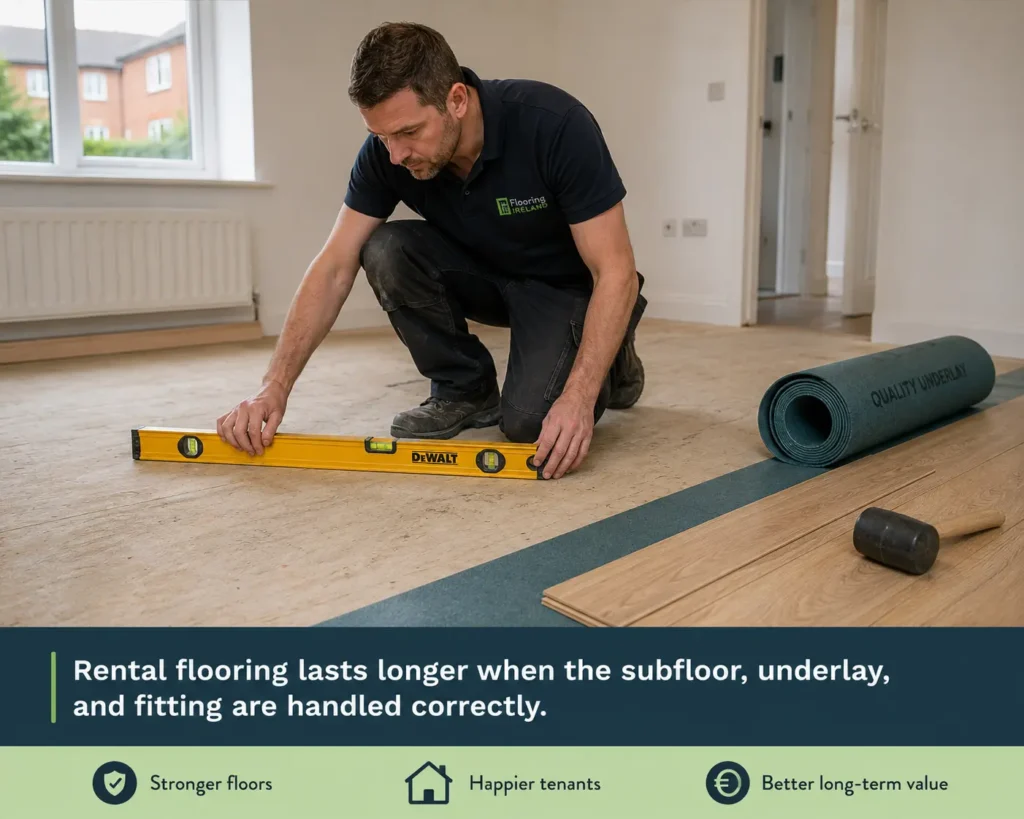
What lasts begins with the product, but it stretches beyond that. If the base lacks evenness, a solid floor may still fail too soon. Incorrect padding beneath contributes just as much. When dampness goes unaddressed, problems follow close behind.
Start by looking at the wear rating. When it comes to laminate flooring, AC ratings indicate resistance to scuffing, heavy footfall, scratching, and everyday damage. A rental unit tends to demand tougher surfaces compared to a seldom-used personal bedroom.
What something feels like under your feet often ties to its build. Some spaces manage just fine with an 8mm layer, though heavier versions tend to give a sturdier sense of support. Yet being thick does not automatically mean it lasts longer. How the top resists wear, how tightly packed the material is, and how firmly the joints lock together all play a role. So does how carefully it gets put down.
Over time, rental flooring faces stress from foot traffic, frequent cleaning, and heavy furniture. A close look at the joint system helps avoid future issues. Uneven subfloors often lead to gaps when connections lack strength. Movement tolerance matters just as much as surface durability.
Wetness matters a lot across Ireland. Where damp lingers, such as basement flats, vintage builds, seaside properties, and rooms without airflow, attention must increase. Before installation begins, testing humidity levels avoids costly fixes down the line.
Landlords should check care labels first. Some floors demand too much upkeep for busy renters. Easy-to-follow directions matter most when choosing what goes on the ground.
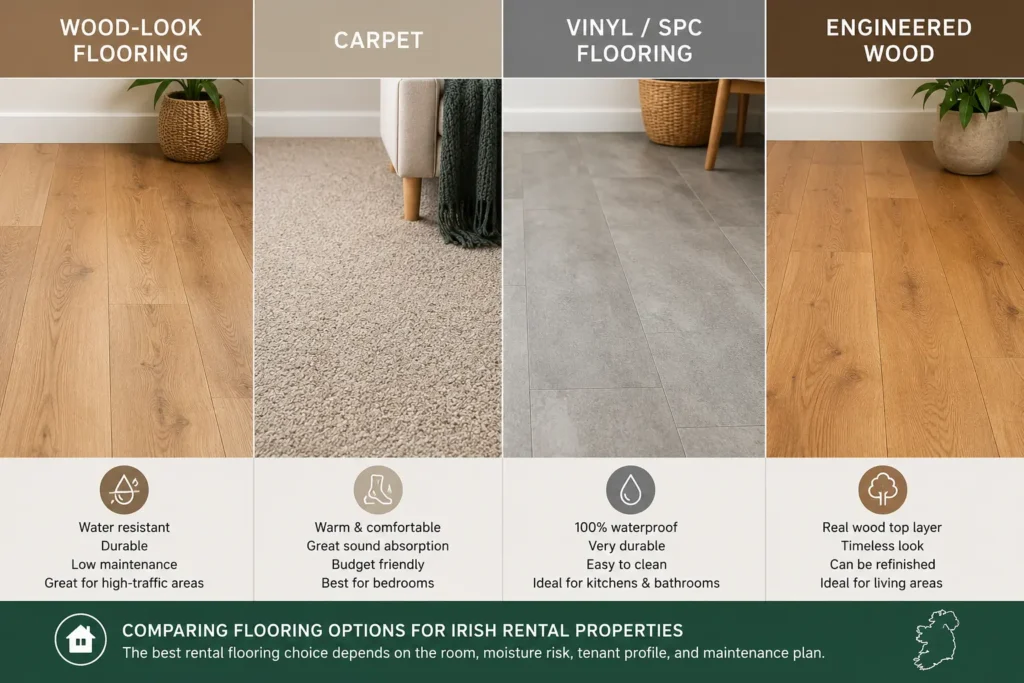
Continental Collection vs carpet, vinyl, SPC, and engineered wood for rentals
Though Continental Collection flooring brings together looks, price, and wear resistance quite well, alternatives exist for rental properties. Not every home relies on it, and other materials also meet practical needs.
Warmth underfoot often makes carpet a bedroom favourite. Yet spills leave marks without much effort. Smells linger longer compared to harder surfaces. Between renters, thorough cleaning becomes necessary more often. High traffic shows wear sooner on fabric than tile or wood. Over time, constant use dulls its appearance in rental units.
Because cleaning them is straightforward, vinyl and luxury vinyl tile stand up to damp conditions more effectively compared to most plank-style alternatives. Kitchens often suit these materials, just like rental units meant for households with children.
Because it withstands wear better and resists water more effectively, SPC flooring appears frequently in practical rental choices. Kitchens, laundry spaces, and rental units tend to favour this material, especially when liquid messes might linger before getting wiped.
Though engineered wood feels more upscale, the price is steeper and maintenance demands are higher too. For luxury lets, it might work well. Yet in places with heavy wear, caution pays off. Landlords should weigh risks first.
With its realistic wood appearance, Continental Collection flooring works well in spaces where owners prefer low-maintenance surfaces and consistent looks under normal indoor conditions. Where moisture levels rise, choosing a floor that withstands water makes greater long-term sense.
Irish rental property scenarios where this flooring makes sense
Wood-look flooring might help a small Dublin flat seem more open. Moving smoothly from hall to lounge, the same surface can stretch the sense of space. Light also travels better when there are fewer visual breaks underfoot.
A bedroom or shared lounge might hold up better with this floor if spills are managed quickly. Since furniture shifts regularly, durability stays key for owners. Yet lighter versions could fail fast under daily wear, so the product rating matters.
When families rent a space, floor surfaces must survive daily wear, including children running, scattered toys, pet paws, and frequent mopping. Though living areas and sleeping quarters need comfort, strength matters most. If the chosen plank resists dents and stains, then this line can fit those zones well.
Most country rentals face tougher entry conditions. When rain brings mud, loose stones track inside easily. Footwear soaked by weather adds more risk at the threshold. Without proper mats, every step harms the flooring underneath. Choosing resilient materials helps, but it works best when paired with smart entry layouts. Protection starts at the doorway.
A seaside location demands careful attention. Because of salt-laden air, dampness tends to build up, and this can affect floor materials gradually. Before installing plank-style laminate, property owners must assess humidity levels on site. Moisture checks prevent long-term damage down the line.
Starting fresh often helps when getting a house ready for photos. One way to shift the look completely is to update the flooring. A light, simple surface draws attention without distraction. It shapes how viewers see the space on screen. First impressions matter, especially in rental listings.
Maintenance tips for landlords and tenants
A well-kept surface lasts far longer when rented out. Maintenance delays the wear that normally shortens lifespan. Careful upkeep prevents damage before it starts. Over time, small efforts pay off clearly. Floors treated with attention resist decline much better.
Floor damage often drops when entryways get mats. Because furniture moves more safely with soft padding underneath, owners should suggest felt bases. Small changes like these help prevent scuffs, dents, and surface wear over time.
Spills need immediate attention, as lingering moisture can harm certain wood-style surfaces. Using a slightly wet mop might work; however, flooding the area invites trouble. Floor finishes often weaken when soaked too long.
Most strong cleaners can cause damage if not approved first by the maker. Rental units respond better when directions stay clear and minimal. To avoid errors, property owners might add a brief care sheet during tenant arrival.
Checking the floor regularly makes a difference. At changeover times, property owners should examine corners, doorways, seams, and spots people walk through most. Problems cost less when handled before they grow.
Having extra planks on hand helps. When damage occurs in a specific area, finding identical pieces afterward can be difficult.
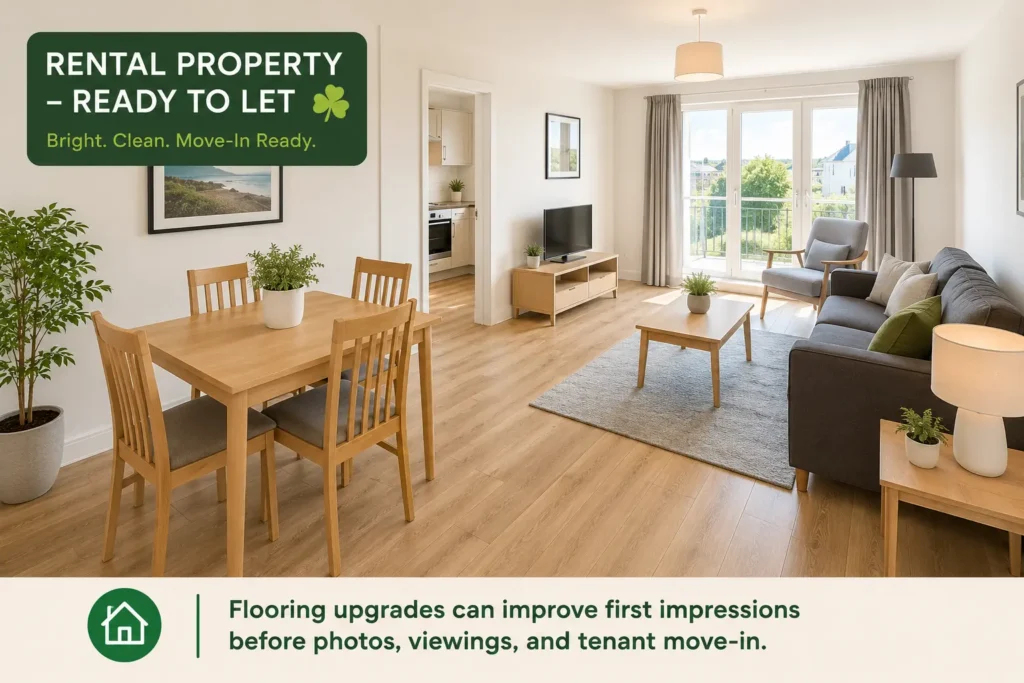
Continental Collection flooring suitability for Irish rental properties
For Irish rental homes, Continental Collection flooring might work well, provided placement and setup suit the space. A wood-like surface gives it appeal and makes upkeep straightforward on a day-to-day basis. Its look tends to hold steady over time, offering visual appeal without demanding much effort.
For living spaces like lounges or sleeping areas, it works well. It also fits halls and sometimes even cooking zones if specs allow. Landlords might choose it to renew units while avoiding higher-end floor expenses.
Still, it is not wise to see this as a fix for every situation. Where moisture lingers, such as bathrooms, steam-heavy spaces, or kitchens lacking airflow, water-resistant options might work better. The choice hinges on how solid the base floor is, what the product is rated for, whether the underlay suits the setting, and how well installation is done.
Beyond looks alone, Ireland’s rental properties gain more from floors built for daily wear. Tenant activity tests durability. Easy upkeep matters too. A surface that resists stains saves effort later. Visual appeal counts when listing shots need sharpness. Long-term value grows where repairs happen less often.
FAQ
Continental Collection flooring and rental properties in Ireland?
Yes, this option often works well across various Irish rentals, particularly areas like lounges, sleeping spaces, and entry paths where damp stays low. Before purchasing, property owners must review the manufacturer’s rating, advice on humidity levels, and installation conditions. Suitability is not automatic, so each space needs individual assessment.
Continental Collection flooring pros and cons for rental properties?
A fresh look matters to tenants, so surfaces that stay neat without much effort tend to appeal. When showing homes, tidy finishes often improve first impressions. Smooth functionality also fits routine living, making upkeep simpler over time. The main limitation is moisture, especially in wet or poorly ventilated rooms.
Continental Collection flooring in kitchens?
Depending on the product details and how much dampness a kitchen experiences, certain floors may work better than others. In some cases, this flooring can fit well. In other situations, materials like luxury vinyl tile, stone plastic composite, or ceramic tile could be necessary instead.
Is it better than carpet for rental properties?
Where upkeep matters, hard surfaces often have an advantage. Though carpet feels soft underfoot, it traps spills and smells faster than many landlords expect.
Best rooms for Continental Collection flooring?
Most often, living areas like lounges, sleeping spaces, corridors, and some cooking zones with limited damp exposure tend to suit this type of flooring well. Floors that face regular splashes, such as bathrooms or shower rooms, usually need stronger moisture-resistant surfaces.
For rental units, which floor types handle damp spots most effectively?
Where moisture levels run high, such as in bathrooms, utility areas, or damp kitchens, waterproof options such as SPC, LVT, vinyl, or tile tend to hold up more reliably. These surfaces resist swelling, warping, or breaking down when exposed to frequent water contact. Because they endure humidity better, they are commonly selected for wet rooms and similar environments.
How can landlords make rental flooring last longer?
Start by placing entrance mats near doors. Felt pads work well beneath furniture legs. Spills should be wiped up without delay. Water must never sit too long on the surface. Check flooring carefully when tenants change. A quality underlay supports longevity. Extra planks are wise to store nearby.