Skip to content
I’ve spent the last 15+ years walking through cold Irish houses with homeowners who all say the same thing: “The heating is on, but the floors are freezing.”
From 1930s Dublin semis to rural cottages in the west, the issue is rarely just the heating system. It’s floor construction, moisture, airflow, and the wrong flooring choice for the subfloor underneath.
This guide is written as a contractor and estimator, not a salesperson. I’ll explain what actually works in Irish homes, where money is often wasted, and how to choose a warmer-feeling floor system using real building-physics concepts, without overcomplicating things.
1) Why Irish homes feel cold even when the heating is on
Many Irish homes hit 19–20°C on the thermostat and still feel uncomfortable. That’s because comfort isn’t just air temperature.
Cold surfaces and radiant heat loss
Your body constantly radiates heat. When you stand on a cold floor, heat flows out of your feet into that surface. Tile on a cold slab can feel icy even in a warm room.
Draughts and air movement
Suspended timber floors are common in Irish houses built before the 1990s. Ventilated voids + gaps at skirting boards create constant air movement. You may not “feel” a draught, but your feet do.
Humidity and condensation
Irish humidity is high, especially in coastal and older homes. Damp air steals heat from your body faster, making rooms feel colder than the temperature suggests.
Why floors feel cold at 20°C?
A room at 20°C with a 12–14°C floor surface will always feel uncomfortable. The floor dominates how warm a room feels.
Site reality:
The most common problems I see are uninsulated concrete slabs, draughty timber floors, and floor finishes chosen for looks, not comfort, especially LVT or tile installed straight onto cold slabs without a thermal break.
2) Flooring warmth 101: R-value, U-value, TOG, and “warm underfoot.”
Quick Answer: What flooring feels warmest underfoot in Ireland?
Carpet with a quality thermal underlay feels warmest, followed by cork and engineered wood. Hard finishes can still feel comfortable if the subfloor is insulated or paired with underfloor heating.
Key concepts (in plain English)
| Term | What it means | What you should do |
|---|---|---|
| R-value | Resistance to heat flow | Higher = warmer feel |
| U-value | How fast heat escapes | Lower = better |
| TOG | Heat resistance (UFH use) | Must stay within limits |
| Thermal effusivity | How cold a surface feels | Wood feels warmer than tile |
Tile and stone feel cold not because they “lose” more heat, but because they pull heat from your feet quickly.
3) The real heat-loss paths in floors (and what flooring can’t fix)
Flooring alone cannot fix structural heat loss.
Major heat-loss paths
- Cold bridging at slab edges
- Uninsulated concrete slabs
- Ventilated timber voids
- Poor sealing at skirtings and thresholds
Don’t waste money if…
- You install expensive flooring on a wet slab
- You ignore draughts under timber floors
- You expect thin vinyl to “insulate” a cold base
Flooring is the final layer, not the insulation itself.
4) Best flooring types ranked for cold Irish homes (with reasons)
1) Carpet + high-performance underlay
- Warmth: Excellent
- Typical R-value (system): ~0.25–0.35
- Best for: Bedrooms, living rooms, draughty homes
- Caution: Moisture must be controlled
This is still the warmest-feeling option in most Irish houses.
2) Cork flooring
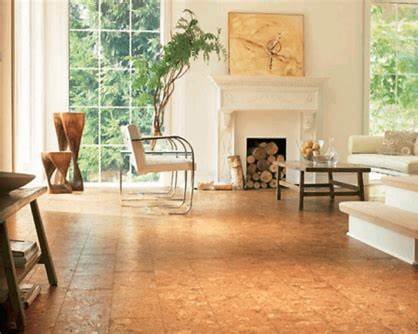
- Naturally insulating and breathable
- Great for apartments and renovations
- Must be sealed properly in kitchens
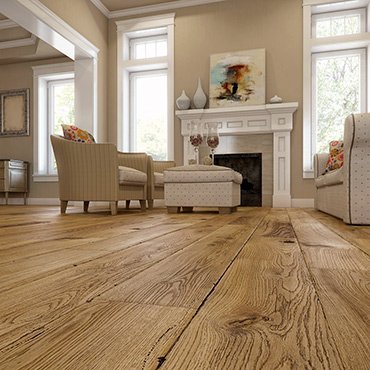
3) Engineered wood
- Warmer than laminate or LVT
- Stable with humidity changes
- Excellent balance of comfort and durability
4) LVT (Luxury Vinyl Tile/Plank)
- Durable, waterproof
- Feels cold on uninsulated slabs
- Needs an insulated underlay or UFH
5) Laminate
- Budget-friendly
- Moderate warmth
- Sensitive to moisture
6) Tile & stone
- Cold without UFH
- Excellent with UFH
- Poor comfort on cold slabs without insulation
5) Underlays and “thermal boosters”: what actually works
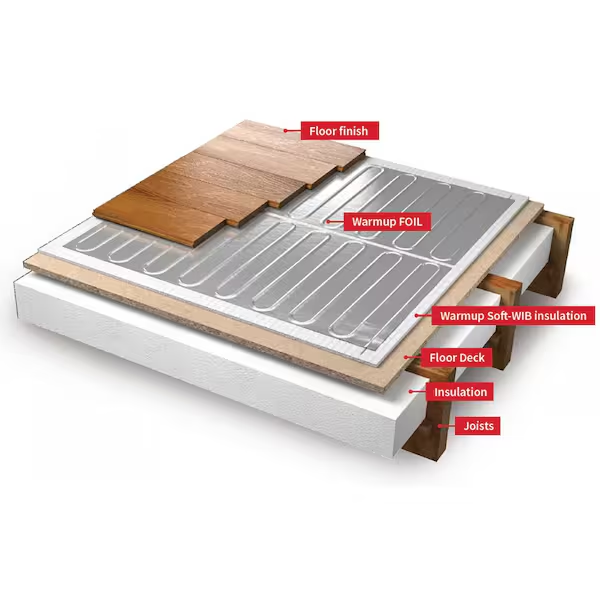
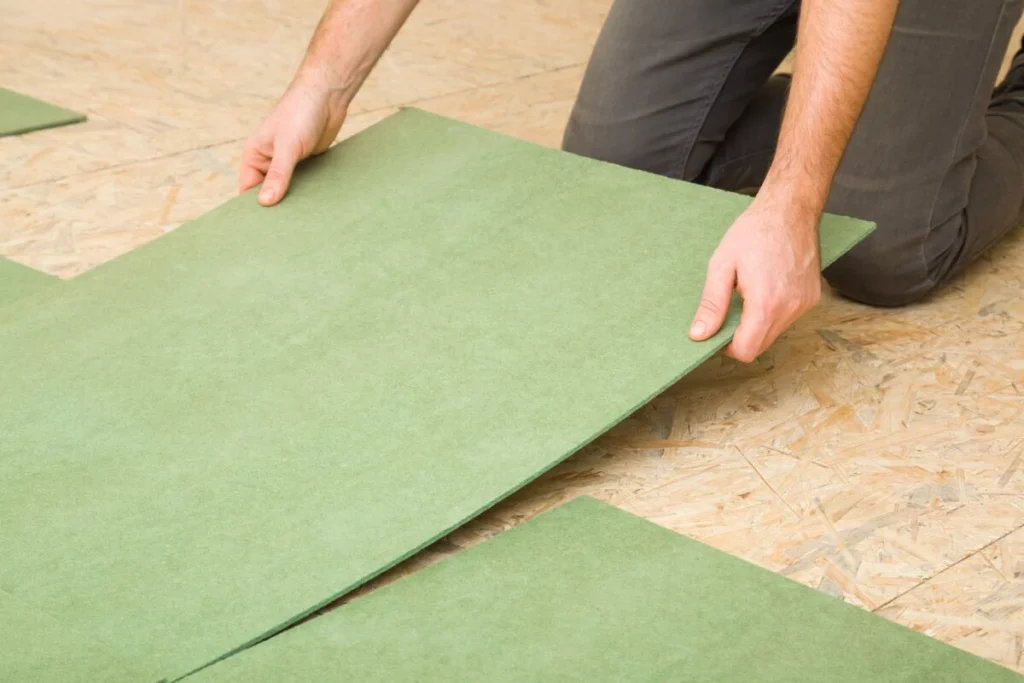
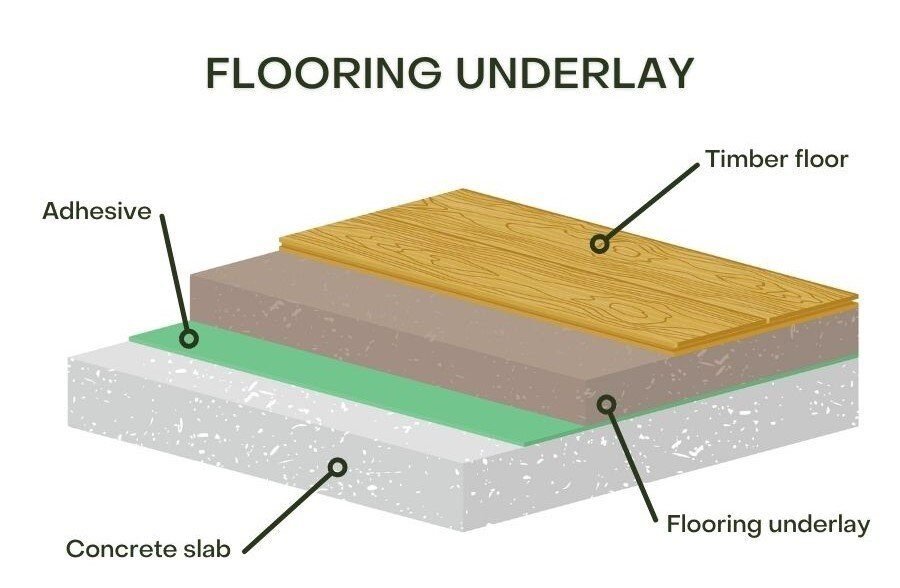
Underlay often matters more than the floor finish.
| Scenario | Underlay | Why | Caution |
|---|---|---|---|
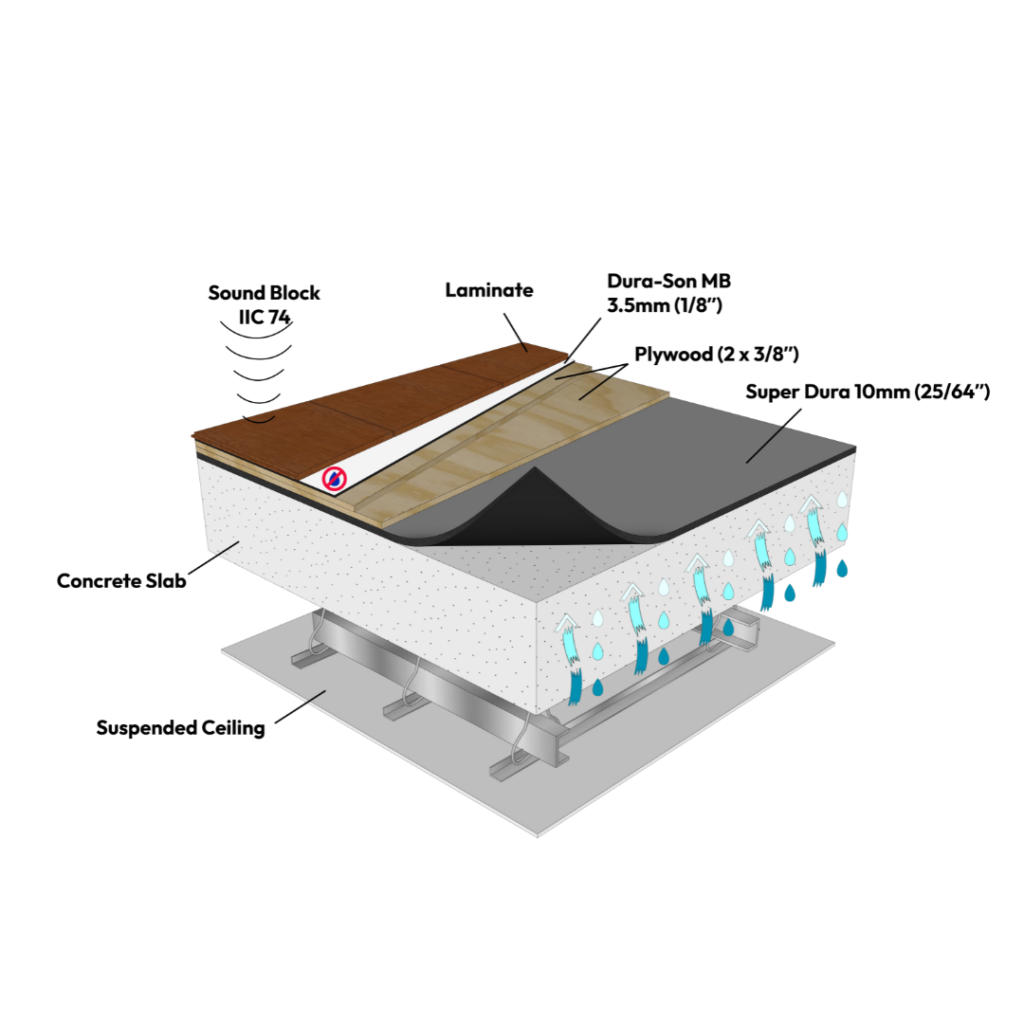
| Cold slab | Insulated foam/composite | Thermal break | Check moisture |
| Timber floor | Felt/rubber | Reduces draughts | Seal edges |
| Apartment | Acoustic + thermal | Comfort + sound | Height limits |
| UFH | Low-TOG underlay | Heat transfer | Follow system limits |
6) Scenario guide: choose the warmest system for your Irish home
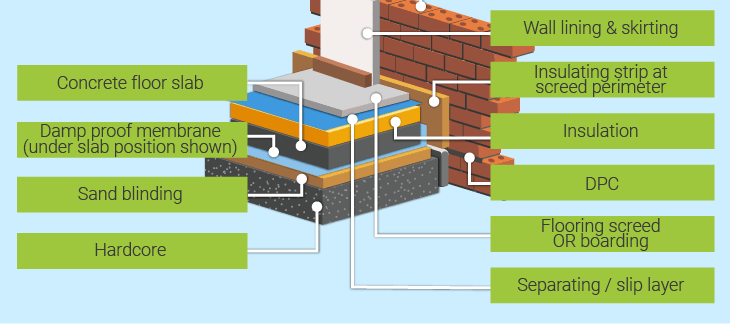
Cold concrete slab (no UFH)
- Symptoms: Cold feet, condensation, mould near the skirting
- Best: Carpet + thermal underlay, cork, engineered wood
- Avoid: Tile, thin LVT without insulation
Suspended timber floors with draughts
- Seal gaps first
- Use carpet or engineered wood
- Underfloor insulation where possible
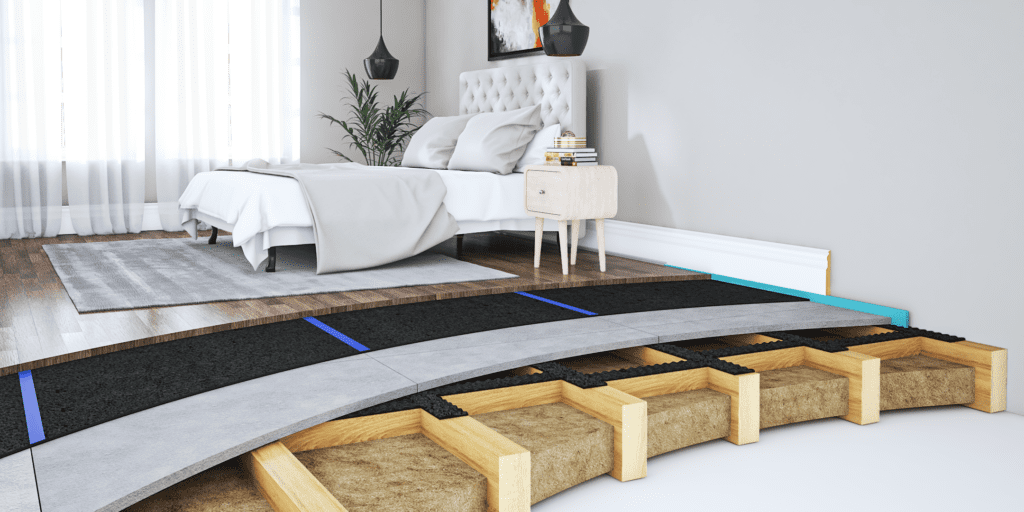
Apartments
- Balance warmth and sound
- Cork, carpet tiles, engineered wood
- Always check sound transmission rules
Damp-prone coastal homes
- Breathable systems
- Avoid sealing moisture in
- Moisture testing is essential
7) Moisture & damp: the Irish deal-breakers
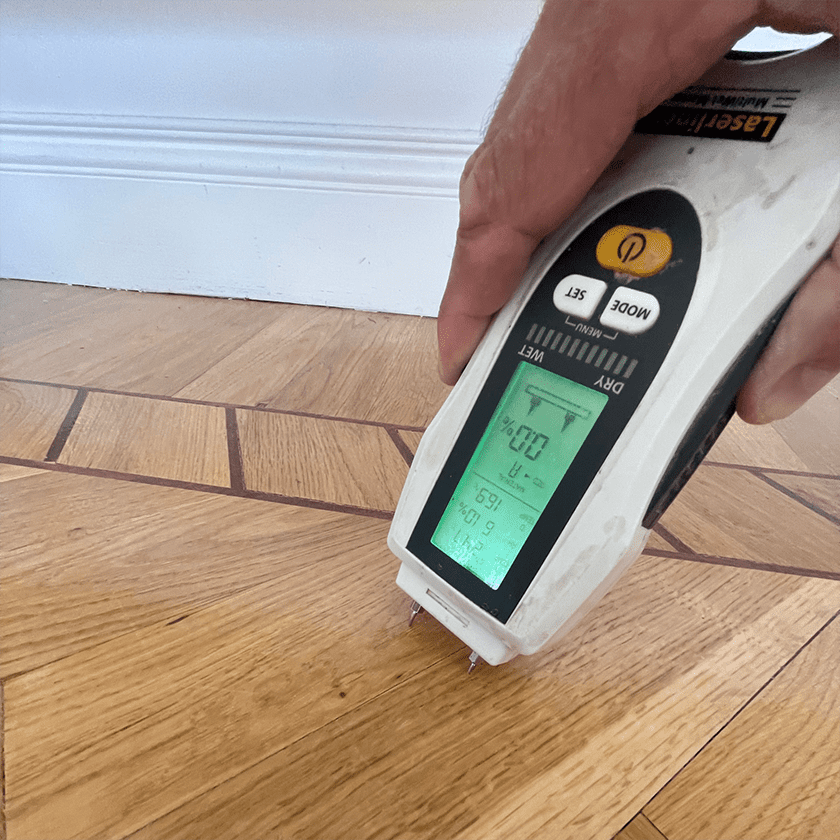
Warm floors on damp slabs cause mould, not comfort.
What we check on site
- RH testing
- DPM presence
- Signs of historic moisture
Never seal a damp floor without a plan.
8) Costs in Ireland (2026): what changes the price
| Cost driver | Impact |
|---|---|
| Subfloor prep | High |
| Moisture barriers | Medium–High |
| Underlay | Medium |
| Labour | Medium |
| Waste removal | Low–Medium |
Hidden costs usually come from poor assessment, not materials.
9) Comfort upgrades beyond flooring (high impact)
- Draught sealing at skirtings
- Insulating timber voids
- Rugs in high-traffic zones
- Balanced ventilation
Flooring works best as part of a system, not alone.
10) Quick decision cheat-sheet
- Warmest fast: Carpet + thermal underlay
- Cold slab: Cork or engineered wood + insulation
- UFH: Tile or engineered wood (low TOG)
- Damp risk: Breathable systems
- Pets/kids: LVT with insulated underlay
11) FAQ
What flooring feels warmest underfoot in Ireland?
Carpet with quality underlay remains the warmest-feeling option in most Irish homes.
Is carpet always the best choice?
No. In kitchens, apartments, or damp areas, cork or engineered wood can be better.
Does LVT feel colder than laminate?
Usually yes, unless paired with insulation or UFH.
Can thermal underlay fix a cold slab?
It helps, but it doesn’t replace proper insulation.
Best floor for a cold concrete kitchen?
Cork, engineered wood, or insulated LVT.
Will sealing the floor trap damp?
Yes, if moisture isn’t tested and managed.
12) Conclusion: the “right answer” depends on your floor type
There is no single “best flooring” for Irish homes.
The warmest results come from matching the flooring system to the subfloor, moisture level, and heating method.
That’s why professional assessment matters.
Author & credibility
Written by a senior Irish flooring contractor and estimator
- 15+ years of experience
- Dublin-based, all-Ireland service
- Specialist in cold floors, moisture issues, and apartment upgrades
Assessments follow Irish building realities, not showroom theory.
We have all you need, check the useful data and products:
Flooring products: https://fbsflooring.ie/products/
Flooring services: https://fbsflooring.ie/services/
Contact & assessments: https://fbsflooring.ie/contact-us/
Soundproof flooring guide: https://fbsflooring.ie/soundproof-flooring-in-ireland-2026-best-choices-for-apartments-semi-detached-houses/
Installation costs: https://fbsflooring.ie/how-much-does-flooring-installation-cost-in-ireland-2026-labour-price-breakdown/
Flooring problems guide: https://fbsflooring.ie/flooring-problems-in-ireland-the-2026-homeowners-repair-prevention-guide/