Skip to content

Table of Contents
A practical guide to Continental Collection flooring, comparing thickness, finishes, room suitability, durability, style options, and buyer-focused recommendations.
Introduction
Most folks look at the shade or board pattern first when checking out Continental Collection floors. Yet what truly shifts how it works day to day? Thickness grabs that role. Think about 8 millimetres – light on cost, fits quieter areas where feet pass by less often. Now step up to 12 millimetres; notice how it stands firm, handles hustle well, suits spots full of movement. But heavier doesn’t automatically win. What wins instead? Matching the floor’s build to your space, its base layer, how worn it might get, and which surface feel pulls you in.
Most Irish houses face constant damp from outside. Footsteps track in mud, hallways take heavy use, kitchens see frequent messes – each spot demands something tough yet cozy underfoot. Looks can deceive when picking materials online; what pleases the eye might fail in daily life at home. How thick it is matters, so does how well it resists scrapes, how planks align, and even subtle color shifts across light. Every detail adds up once laid down.
On display at FBS Flooring, the Continental Collection offers a practical spread of floor types. Starting with Barcelona Harmony at 8mm thick, it moves into multiple 12mm planks that mimic oak – think Nordic Oak, Oslo Grey Oak, Oslo Light Oak AC5, and also Urban Walnut. Some stand out by pattern: Sandstone Oak Herringbone brings angle, while Sandstone Oak Straight Plank keeps lines clean. Then there is Tuscany Beige Oak, adding warmth without glare. Together, these suit homes chase sleek minimalism, cozy family spaces, Nordic simplicity, or deeper traditional tones.
Picture two thicknesses. One steps up underfoot. The other stays closer to the ground. Eight millimetres feels solid. Twelve brings a heavier presence beneath shoes. These aren’t just numbers on a label. They change how a floor settles into kitchens, hallways, and living areas. Some buyers notice sound. Others judge by touch. Each slab answers a different room mood found across Irish homes. What sits under furniture matters as much as what meets the eye.
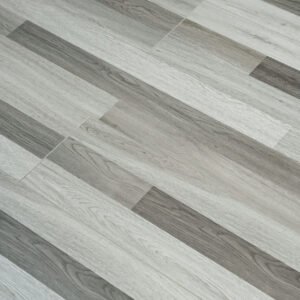
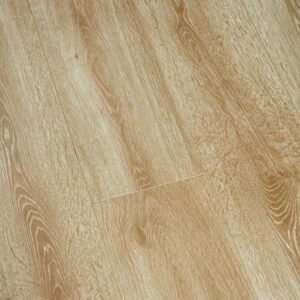
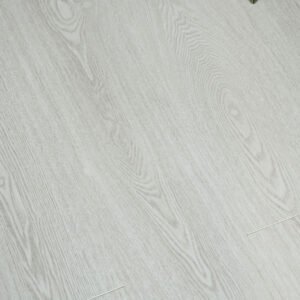
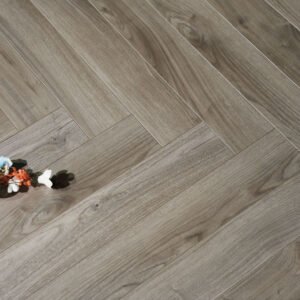
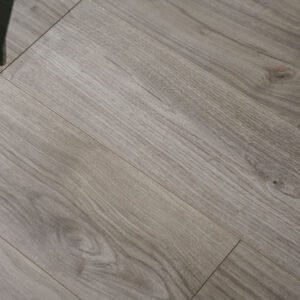
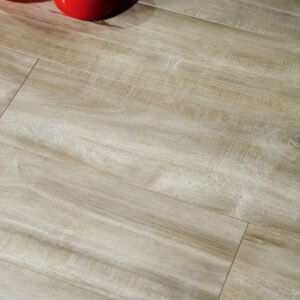
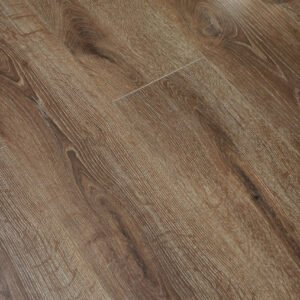
A fresh layout sits on view – light oak beside grey, then beige flowing into deep walnut. Each plank rests close, lined up like options waiting. You see them together, not just how thick they are but how each shade behaves. One catches the sun differently. Another holds the shadow longer. The mix proves decisions need both feel and sight. Not just structure. Tone shifts everything. Even spacing between matters. These planks speak without words. Choices stack quietly: surface depth meets color mood. Together, they shape what you pick.
Items in the Continental Collection.
Starting off with what shows up at FBS Flooring, the Continental Collection leans hard into fake wood that looks like real oak. Instead, it offers shades from pale to deep, hitting gray, tan, mottled, and richer browns along the way. This mix gives people room to play – imagine cozy textures minus the limit of just one look. Even when aiming for clean modern spaces, there is enough variety here to feel flexible. Not every option screams tradition; some whisper contemporary instead.
Among these options sits Barcelona Harmony, sized at 8 millimeters, model number 20674 slash eleven point twenty five. Next appears Nordic Oak, twelve millimeters thick, tagged 20555 over eleven point twenty five. Then comes Oslo Grey Oak, also a dozen millimeters, identified by 20785 divided by eleven point twenty five. Following that stands Oslo Light Oak, equally twelve millimeters, marked as 20751 slash eleven point twenty five with an AC5 rating. One option presents itself as Sandstone Oak laid in a herringbone pattern. Another version of Sandstone Oak runs straight in a plank format. A lighter shade called Tuscany Beige Oak fits into the lineup, too. Rounding it out is Urban Walnut, twelve mm tall, coded 20546 over eleven point twenty five.
Just hearing the names gives you the whole picture. Bright and peaceful spaces come through with Nordic Oak, along with Oslo Light Oak. Cooler vibes appear when it shifts to Oslo Grey Oak – more modern somehow. Then there is Tuscany Beige Oak, bringing soft warmth but stopping short of deep tones. Deep tones shape the feel of Urban Walnut, bringing weight to a space. Barcelona Harmony mixes light and texture in less predictable ways. One version of Sandstone Oak flows horizontally, another stands vertically – offering direction, not just shade.
Besides looks, durability often gets overlooked when picking floors. Usually, people fixate on shade before considering sturdiness. Truth is, matching both makes smarter sense. Hallways with heavy traffic demand resilience, yet benefit from softer hues. Bedrooms, less walked on, can handle delicate shades without worry. Some hallways look sharp with herringbone patterns. When it’s a place people rent, pick something up-to-date yet simple to handle every day.
So the display isn’t merely a mood board. Instead, it functions as a range of choices. Every item meets a distinct requirement, which is when a provider such as FBS Flooring proves helpful. The right product listing offers clear labels. Expert guidance nearby makes it easier to match those labels with actual spaces.
A handful of wood-effect floor designs fill the frame, lined up like samples on a showroom wall. Each one sits close to the next, offering shades that shift from pale oak through soft grey tones into deeper browns and warm beiges. Some mimic weathered planks, others show tight grain patterns under even lighting. You can tell they belong to one family just by how they’re grouped – same spacing, same clean backdrop. Not every tile looks identical; slight differences in texture stand out when light hits at an angle. These variations help highlight choices without making any single option feel isolated. Seen together, they form a quiet lineup where color and structure do the talking. The name “Continental Collection” appears near the edge, small but clear. Floor styles shown include those resembling rustic timber along with smoother, more polished versions. Light bounces differently across each surface, adding depth without drama.
What does 8mm flooring mean in practical terms?
Eight millimeters describes how deep a flooring plank really is. That number might sound tiny or confusing at first glance. How thick it sits underfoot changes the way walking across it seems, even subtly shifts room noise. Performance over uneven bases ties directly into that measurement, too. Bumps below matter less when the top layer has more substance.
A flooring option measuring 8 millimeters tends to catch interest when price plays a big role, offering visual appeal without overspending if placed thoughtfully. Where steps across the room happen less often, this thickness fits well – especially when money is tight, or appearance weighs heavier than heavy-duty support beneath shoes.
Among the options on display, Barcelona Harmony 8mm stands out most clearly. Because of this, it helps frame conversations about where thinner floors fit best. For those seeking a sleek timber appearance without added bulk, something like Barcelona Harmony could feel right – especially in spaces quieter than entryways or busy passageways.
Still, calling 8mm flooring poor right away misses the point. How it looks ties back to surface treatment, how thick the protective coat is – or its class if rated – the way planks connect, what lies beneath it, what’s underneath that, plus who puts it down and how well they do it. Even at 8mm, the choice works just fine when picked and laid properly. Jumping straight to say it acts exactly like 12mm, anywhere skips key differences.
Most people spot differences right away when they walk on thinner floors – there’s just less cushion beneath each step. Because of that, noises tend to carry more, especially if the padding underneath isn’t dense. Rooms where calm matters usually suit these surfaces best, since busy areas ask for tougher materials. Just because something stands out doesn’t mean 8mm fails. It only means context matters more than judgment.
Sometimes a bedroom works well with 8mm flooring. When foot traffic stays light but regular, this thickness often fits. Style matters too – getting that wood appearance without high cost helps some choose 8mm. Guest rooms might need something practical yet clean-looking. Home offices usually aren’t pounded by boots all day. Rental units see rotation, not constant movement. For these spots, heavy planks may feel unnecessary. Matching hallways or spare areas becomes easier without going thicker everywhere. A person might prefer uniformity in the back parts of the house. This option keeps visuals aligned while skipping bulk underfoot. Choices shift when durability needs rise – but here, they don’t always. So 8mm slips into quieter zones where looks matter more than toughness.
Here’s something worth noting for people in Ireland. Even if a floor feels thick underfoot, that won’t fix shaky groundwork. Imagine laying an 8mm plank where the base wobbles or slopes – it still risks trouble down the line. Skillful installation remains key, no matter the numbers on the box. Talking through choices with someone who knows real houses, not just brochures, makes sense more often than not.
A slice of quiet space, captured up close – one slim plank next to a fully laid bedroom floor. Edge details stand clear, the setting relaxed, lived-in. Seeing the 8mm profile here grounds the number in something tangible, shows how thin planks settle into daily life. The scene connects measurement with meaning, not just specs but serenity. What you get is clarity: lighter footprint, softer demands, suited for spaces where footsteps come slow. Not every room shouts for durability; some whisper preference. Style matters. So it fits. When both align, even slimmer builds hold their ground.
What does 12mm flooring mean in practical terms?
Thicker planks draw people in, not because of digits but how they carry themselves underfoot. A step onto 12mm material lands differently, firmer, quieter beneath movement. It’s the way it handles constant traffic without protest. Homes with active routines find that this version holds its ground. Sound stays put, less likely to echo through space. What you notice isn’t measured in millimeters – it shows up when shoes meet the floor. Busy areas gain something steady, almost unnoticed, until missing.
Among those on display, the Continental Collection features multiple 12-millimeter choices – Nordic Oak 12mm stands beside Oslo Grey Oak 12mm; meanwhile, Oslo Light Oak 12mm AC5 appears, along with Urban Walnut 12mm. Right away, it becomes clear the heavier planks define what makes this line work so well in homes meant for daily life. Chances are high these particular versions will come up often when people weigh flooring suited to constant activity instead of rare gatherings.
Firmness shows up clearly with 12mm flooring – there’s a solidity people notice right away. Walking on it brings a sense of stability, which many find appealing. Spaces like hallways or shared rooms highlight this trait well. Instead of bouncing slightly, the surface holds firm, particularly when installed correctly. A solid base helps too, making everything feel anchored. Quality isn’t just seen, it’s felt beneath your feet.
Thicker planks tend to draw interest because of how they change the way floors sound. Room layout matters. So does what lies beneath the floor, along with furniture placement. Yet many find heavier panels soften footsteps, making them feel quieter underfoot. When kids run or foot traffic builds up across wide areas, that hush becomes something you notice throughout the day. It settles into the background – just part of living there.
Twelve millimeter flooring might appeal to those after a bolder look. Not due to any automatic upgrade in design quality, yet the added thickness often feels more luxurious. With something like Urban Walnut, the extra dimension deepens the space’s mood. For paler styles – Nordic Oak or Oslo Light Oak – the solidity underlines a quiet, tidy aesthetic popular across Irish living areas.
Most people do not need to pick 12mm without thinking. A better take? When life fills the space – kids running, pets darting, furniture shifting – a thicker plank handles it with less fuss. If daily wear pushes limits, or stepping on the floor should feel firm, then yes, more millimeters might make sense. Spending additional money feels less like waste under such conditions.
Most Irish homes look for floors that handle daily wear without losing charm. Rain tracks in, shoes come off, kids move fast – durability matters a lot here. Cleaning spills quickly counts too when life stays busy. So strength becomes a quiet priority behind choices. Several 12mm options from the Continental Collection fit just right under those needs.
Sunlight cuts across the floor planks inside a cluttered living area. A child’s toy rests near the doorway just left of the frame. These 12mm thick panels imitate real oak grain with a subtle texture you can see and touch. People pass through here daily, shoes scuffing slightly at entry points. That extra thickness handles pressure without bending or sounding hollow. Homebuyers notice how each step feels steady, almost like natural wood. The material holds up even when life gets messy. Footfall leaves marks less easily than thinner versions. Stability matters most where movement never stops. Each plank locks tight to resist shifting over time. What looks calm now has survived weeks of testing already.
8mm Versus 12mm Continental Collection Flooring.
Start by thinking about how each floor feels underfoot. A heavier step might favor 12mm simply because it resists dents more. Lighter use could make 8mm just right, especially if comfort matters less. Rooms with pets or moving furniture lean toward thicker planks. Thin floors work well where things stay put. Matching material to daily habits shapes the real difference.
Thickness and feel
Underfoot, things shift right away. Twelve millimeters brings a denser sensation beneath the feet. Most shoppers pick up on that almost instantly – long before furniture fills the space. Eight millimeters holds its own visually, yet gives off a thinner impression when stepped on. Where foot traffic piles up, solidity becomes key. Firmness isn’t just seen – it’s sensed with every step.
Sound and acoustics
Most people notice how floors sound, not just how they look. A thicker plank tends to feel sturdier underfoot, even if other factors play roles too. Twelve millimeter planks, when matched with proper padding, usually produce a deeper, more solid noise when walked on. Eight millimeter versions sometimes echo slightly, especially in large spaces. Room size changes what you hear. So does where the floor sits inside the house. Bedrooms hide thinness better. Open layouts tend to expose it.
Durability expectations
Most people think 12mm means it can handle heavy foot traffic, though thickness doesn’t guarantee durability on its own. Sometimes it’s just about how solid the floor feels underfoot. A label like AC5 adds weight to that impression – especially when paired with a name such as Oslo Light Oak 12mm AC5. Spaces used a lot seem to suit these planks better, maybe due to perception, maybe due to actual toughness. Confidence grows when both specs appear together.
Room suitability
Most quiet spots at home – think reading nook or spare bedroom – can work well with something thin, such as the 8mm Barcelona Harmony. Hallways that take constant traffic or dinner areas where people gather might handle wear better with thicker planks, say 12mm styles like Nordic Oak, Oslo Grey Oak, or Urban Walnut. Exceptions exist, of course. Still, beginning here often makes sense.
Everyday comfort
Most people notice how soft a floor feels after walking on it awhile. A space used every day tends to highlight differences you might ignore elsewhere. Underneath everything, what lies beneath matters just as much as warmth or activity level. For places like kitchens – where standing takes hours – the extra cushion shows its worth over time. Living areas with steady traffic? They tell the story too.
Visual impression
Thick layers tend to feel more substantial under the eye, though design does most of the talking. Twelve millimeters just lands differently in a buyer’s mind – hard to pin down but real enough. With something like Urban Walnut, depth adds weight to the impression already built by color and grain. Lighter tones gain quiet strength when given extra body, avoiding anything thin or rushed.
Cost-value logic
For smaller budgets plus light foot traffic, 8mm might just make sense. Looks matter, sure – yet saving on space that doesn’t get much wear helps keep costs down. When daily use piles up, or when lasting quality weighs more in your mind, 12mm steps forward quietly. At first glance, it seems pricier, though over time it tends to balance out well.
Installation considerations
Even if the plank is chunkier, it won’t rescue shaky support underneath – just might seem softer underfoot. Still, how well it’s put down matters most. Messy fitting harms eight-millimeter planks just like twelve-millimeter ones. Never think extra depth means skipping proper groundwork.
Eight millimeters works fine if the space stays calm and money counts extra. Twelve steps up when feet move often through the area, life runs loud at home, or how the surface sounds and feels holds weight for you.
A picture idea here: two floor types shown next to each other, one 8mm thick, the other 12mm, both placed in real rooms. Seeing them side by side makes it easier to grasp what those numbers mean when choosing. Instead of just reading measurements, people can watch how space changes with depth. Because floors aren’t picked only by specs – how they look matters too. Thickness shifts more than structure – it alters room appearance. What feels solid might also appear heavier. While thinner options tend to suit compact areas better. Choice isn’t about best overall, but fit for purpose.
Which rooms suit 8mm and which suit 12mm.
Starting with one space at a time makes picking Continental Collection floors easier. Sometimes moving slowly through each area helps spot what works best. Floor choices tend to settle once you see them where they’ll live. Walking into a finished room shows how color meets light. Each step forward builds clarity without rush.
Hallways
Most Irish hallways face heavy use every single day. Footsteps pile up fast when people come and go, bringing damp footwear along with them. Stuff gets carried through often, sometimes dropping near the coat rack. That kind of wear asks for something tougher underfoot. Twelve-millimetre planks handle stress better than thinner ones. Bright shades such as Oslo Light Oak stand firm while keeping a fresh look. Another option might be Nordic Oak, just as solid but slightly warmer in tone. These choices stay reliable even when life rushes past.
Living rooms
Most times, living rooms allow for different choices. When foot traffic stays light, and costs matter, go with 8mm – it might just hold up fine. For the central gathering spot in a home, 12mm tends to pay off over time. Think warmth and ease? Tuscany Beige Oak brings that mood naturally. On the other hand, spaces leaning modern find balance with Oslo Grey Oak.
Bedrooms
Eight millimeters might just fit bedrooms well, especially when the style lines up. Since these spaces see gentler use, tougher specs aren’t always needed. If peace and practicality weigh heavier than heavy-duty strength, Barcelona Harmony at 8mm makes sense. A step up in feel comes with paler 12mm oak versions – still appealing without chasing extremes.
Kitchens
Busy rooms demand tough floors. Standing, scrubbing, walking – kitchen life never pauses. Even though how well it handles dampness comes down to build quality plus proper care, most shoppers reach for sturdier-looking choices when they pick kitchen flooring. Twelve millimeters fits better than eight in these spots, particularly where families gather often. Bright looks meet hard-wearing design in Oslo Light Oak 12mm AC5 – an option that lifts a space without asking much.
Dining spaces
Most times, how a dining room turns out hinges on its role – set apart and fancy or blended into daily life. When it flows with the rest of the house, thicker glass tends to hold up better over years. If the room stays quiet, used only now and then, thinner panes might do just fine when installed right.
Rental properties
Most folks want rental floors that stay fresh looking, scrub up easily, survive constant turnover. How thick it is counts – yet so does cost sense. Bedrooms or less-used spots? An 8mm option might just balance budget without losing dignity. Busy areas like entry halls or lounges face more foot traffic, daily scrapes; there, 12mm usually handles life better. Tougher isn’t always smarter unless matched to real use.
Light commercial use
Most folks checking out floors for busy spots care more about toughness than coziness. Oslo Light Oak 12mm AC5 stands out easily in these settings, thanks to how it looks under daily stress. When picking something strong, guidance from a source such as FBS Flooring makes sure choices line up with real-world needs. Guessing wrong costs time, so getting clarity early keeps things moving without surprises.
A mix of shots fills the frame – hallway underfoot, sleeping area quiet, cooking zone busy, sitting space open – all wearing wood-style floors. Picture how each place lives, then pick what fits. Thin at eight millimeters might suit calm zones, yet high traffic tugs toward twelve. Feel changes step by step through the home. Each surface answers a need before eyes even land on grain.
Continental Collection Finishes Style Guide.
Most folks care about how thick it is – yet what really tugs at feelings? The look. Living with a color week after week shifts what feels right. Pick the surface carefully – wrong tone, wrong mood. Depth sets function; finish shapes vibe. Each morning that pattern greets you. Get both pieces quiet.
Barcelona Harmony
Out of all the options, Barcelona Harmony stands out because it mixes textures in an 8mm thickness you can actually see. With its shifting look, it draws the eye across instead of repeating the same pattern flatly. Homes that lean into calm tones might find this version fits naturally. The irregular layout hides scuffs better, which matters when life gets busy downstairs. Rooms lived in heavily could benefit from how it blends flaws without calling attention.
Nordic Oak
Light underfoot, Nordic Oak hints at pale timber touched by morning sun. Homes across Ireland choose it when they seek comfort minus the golden undertone. Often found in half-linked houses where air moves freely between rooms. Think airy lounges, still mornings, furniture that feels borrowed from northern shores. A quiet floor like this opens up walls, slows down the eye, brings breath into tight corners.
Oslo Grey Oak
Cooler shades slip into view with Oslo Grey Oak. Where modern living leans toward clean lines, these tones find their place – paired with white, touched by black, sitting beside stone or soft metallics. Light matters more than most expect. A floor too chilly in dim corners might lose its warmth, fall lifeless under weak lamps. That quiet moment of holding a real sample helps – it shows what screens cannot. FBS Flooring offers that chance, one piece at a time.
Oslo Light Oak
Most people find Oslo Light Oak fits just about anywhere you’d think to put it. Rooms feel open and airy when light oak shades come into play, yet never cold. Because Irish homes often lean toward warmth, these tones settle right in. Toughness matters too – so knowing it carries an AC5 rating makes choosing easier for those wanting both beauty and resilience.
Sandstone Oak Herringbone
Most people pick this for how it looks on the wall, not just the shade. The zigzag pattern adds movement, catches the eye in a quiet way. A space like an entryway or eating zone gains something extra when built this way. Those looking to stand out usually go here – it sets a mood different from flat, straight boards laid side by side.
Sandstone Oak Straight Plank
Peaceful is how the straight plank feels, simpler in its look. Without loud patterns pulling eyes, it slips into the background gently. Furniture stands out here, along with soft details around the space. Those drawn to Sandstone Oak might find comfort in this quieter layout. Herringbone brings movement – this one stays still.
Tuscany Beige Oak
A soft glow defines Tuscany Beiche Oak, sitting quietly between extremes. Not quite as crisp as grey-toned planks, yet lighter than the deep weight of walnut. Homes across Ireland often find balance here – natural warmth held in check. Neither washed out nor overwhelming, it settles into rooms like familiar sunlight.
Urban Walnut
Dark like roasted nuts, Urban Walnut stands out where lighter tones fade. For those drawn to bold spaces, this shade brings weight and warmth all at once. Big sunlit areas handle its intensity well, letting the floor anchor the room without crowding it. Tighter or dimmer spots ask for thought – light walls help, so do pale rugs or bright lamps nearby. How everything else looks beside it shifts fast; get that wrong, shadows eat the space.
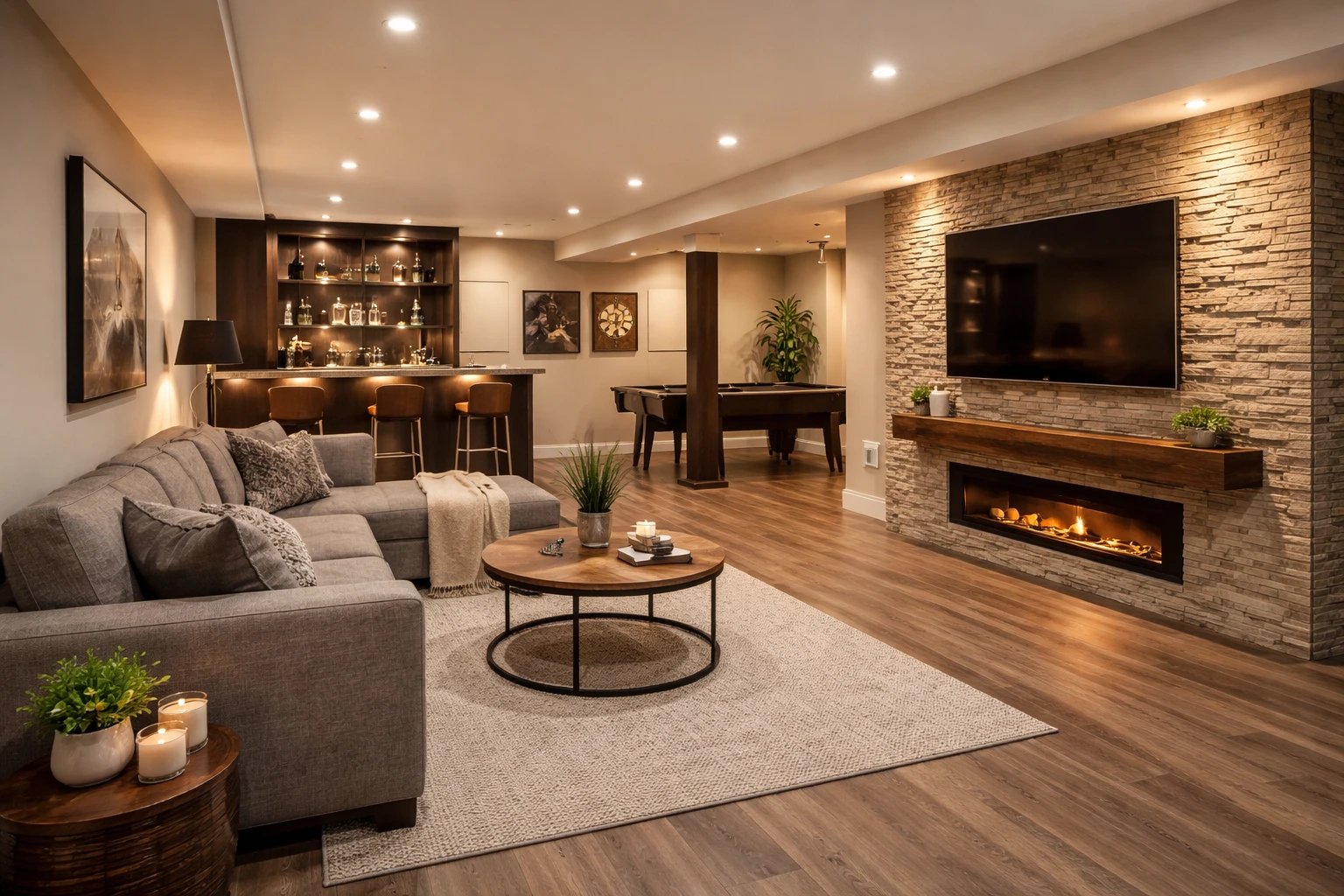
A scene unfolds – light oak under soft daylight, walls pale, space airy. Grey oak sits cooler, shadows sharper, modern lines holding still. Beige oak warms a corner where sunlight pools late in the day. Walnut grounds a room with depth, grain running like slow rivers. Each floor lives differently depending on how light moves through windows at different hours. Tone shifts with ceiling height, wall color, even furniture placement. Not just material choice but atmosphere shapes what fits best.
Products by Category


Herringbone Compared With Straight Plank In The Continental Collection.
Picture two planks – same base shade, different paths. One lays down in clean lines, the other clicks into zigzag motion. Seeing them side by side shifts perception slowly. Layout bends appearance more than expected. A subtle shift, yet obvious once noticed. Tone stays near identical, still eyes adjust differently. How they’re placed matters just as much as grain or cut. The arrangement speaks before words do.
Eye follows the zig of herringbone first thing. This pattern brings quiet energy into spaces, shaping how light bounces and feet move. A hallway wears it like a well-cut coat – sharp without trying. Dining rooms gain subtle polish, as if each meal matters just a little more. The floor does not shout, yet speaks clearly through rhythm. A single bold choice might shift how a space feels entirely. Those picking floors to shape the look usually find themselves drawn to herringbone patterns instead.
Most people find the straight plank design easier on the eyes. Yet it still fits nearly any setting without clashing. Furniture stands out more when the floor stays quiet. Patterns in rugs or upholstery get room to breathe. Openness grows in spaces where floors run long and simple. Many homes across Ireland choose this look for busy areas like kitchens and lounges. Even sleek, current styles link up naturally with its lines.
Herringbone usually shows up when someone cares deeply about appearance. It gets picked on purpose, not by accident. The straight version appears more when matching lots of styles feels important. Time plays a bigger role there too. Decisions shift based on whether flair or staying power weighs heavier. One isn’t always superior. It hinges on your vision – bold presence or quiet support beneath. Choice shifts with intent.
Smaller rooms might seem like poor fits for herringbone – yet they often surprise. Truth is, such patterns bring life to tight entryways or modest dining areas just fine. Balance decides everything. Where clutter rules, plain planks soothe better. But bare walls? There, herringbone steps in, quietly shaping style.
FBS Flooring might just fit the bill since images by themselves often miss key details. With both designs shown inside your space – matching the walls, the light, the dimensions – an off choice becomes easier to spot before it costs you.
A different way to start a thought might be best here – imagine two spaces nearly identical except for one thing. Not color, not furniture, but how the floorboards run across the space. One lays flat in lines, clean and quiet like pages turned left to right. The other snaps into angles, forming zigzags that catch light differently. Both made of oak, both finished alike, yet they feel apart somehow. Picture them side by side: stillness on one half, motion on the other. That shift? Entirely down to arrangement. Even small eyes notice the difference. Rooms breathe new when planks turn at sharp edges instead of marching straight ahead. You see it once, you won’t unsee it again. How wood fits together speaks before words do.
What AC5 means and why it matters.
A single item catches the eye – not because of its shade or how thick it feels underhand – Oslo Light Oak 12mm AC5 does something different. Buyers often see AC5 and pause – it looks like a code meant to impress, yet few ever learn what it actually means.
Most people check AC numbers to see how well a laminate floor handles scraping or daily traffic. When the number climbs, like hitting AC5, it usually means tougher performance under constant footfall. Think entryways, living areas with kids, short-term rentals – spots where floors take real punishment. So users tend to lean toward top-tier grades when picking surfaces for such spots.
Just because a floor has AC5 rating doesn’t make everything else irrelevant. Installation still needs attention regardless of the label. Damage can still happen even with high ratings if treated poorly. Mistakes in usage won’t vanish thanks to a number on packaging. Careful habits remain necessary despite strong specs. Yet for spaces expecting constant heavy footfall, this grade offers useful guidance.
Here’s why Oslo Light Oak 12mm AC5 stands out online. With a pale contemporary look, paired against its sturdier build, it answers real needs. Its higher durability rating adds to the appeal – no guesswork needed. Homes in Ireland dealing with kids, constant coming and going, or heavy footfall find this mix makes sense. The reasoning clicks fast when life means mess, movement, every single day.
Just because something looks thick doesn’t mean it wears the same. Not all planks at 12mm act alike underfoot. That little AC5 mark you see? It sets Oslo Light Oak apart, sometimes in ways that count extra for certain jobs. What stands out here might not elsewhere.
Picture a hallway filled with scuffed sneakers, lunch bags dropped near the door, sunlight hitting a pale wood surface. Feet pass through here every morning, every evening, without pause. The floor stands up to constant motion, showing marks but holding firm. What you see is real life in motion – no staged quiet, just routine. Imagine kids racing past, pets darting between rooms, backpacks swinging wide. Each step adds up over time, testing what the material can endure. Not all floors respond the same under such weight and repetition. Some begin to dull, others resist longer. Surface toughness becomes obvious only after months of use. You notice it when scratches appear – or when they do not. That difference ties directly to how the layer was built to handle friction. Real conditions reveal what ratings try to predict ahead of time.
Continental Collection picks for various buyers.
Some people care more about price. Others look first at how long it lasts. The way someone uses their home changes what matters in a floor. Spotting those differences makes it easier to connect actual buyers with the right Continental Collection styles. Real life habits shape choices, even when picking something like tile or wood.
Busy family homes
Most homes want flooring tough enough for daily life, simple to wipe down, yet still looking fresh after years. Choices like Nordic Oak or Tuscany Beige Oak bring calm tones without shouting for attention. When scratches feel inevitable, the 12mm AC5 version of Oslo Light Oak steps forward quietly. Its thickness handles heavy footsteps better than most expect.
Pet owners
Most people with pets pay attention to scratches, constant wear, upkeep needs, then how often marks stand out right away. Because of this, shades near the middle tend to suit better than ones too light or deep. Materials like Tuscany Beige Oak sometimes fit just fine. So do certain blended oak styles.
Landlords
Most landlords care about cost, looks, and long-term use. Some pick 8mm where traffic stays low – like spare bedrooms – while choosing 12mm near doorways or family spaces that get busier. Instead of using the same slab across every floor, matching thickness to room demand works better. What fits one space might fail another.
Style-led renovators
Inside spaces often shape how people feel. A choice like Sandstone Oak Herringbone might catch their eye first. Lighter tones, say Urban Walnut, pull some folks in deeper. Others drift toward those pale Scandinavian-style planks instead. Floors do more than support steps here. They help define what the space actually says.
Buyers wanting brighter interiors
Start with pale wood tones if space feels tight. Think Nordic Oak, maybe even Oslo Light Oak – both open things up. Sunlight bounces better off these surfaces. In Ireland, where gray days linger, that bounce matters. Heavy dark floors weigh rooms down; light oaks do the opposite. They lift. Airiness grows without effort. Natural brightness stretches further.
Buyers wanting deeper contrast
Richness pulls some toward Urban Walnut, its bold look standing out best where rooms stretch wide. Warm walls lift the tone, giving depth when matched right. Aiming high on impact? This fits places wanting drama without shouting. Upscale vibes grow naturally here, not forced but felt.
Buyers wanting statement design
Should someone wish their floor to speak first, Sandstone Oak Herringbone does just that. With grain that tells a story on its own, it fills space long before chairs or tables arrive. Rooms gain depth, even when kept bare by design.
A mix of living spaces fills the frame – kids scuffing a kitchen, tenants settling into a city unit, paws tapping on planks, bold walls framing an entryway. Each scene holds flooring that matches life underneath, not just shades on screen. Wood-look surfaces appear where they’re needed most, shaped by routines more than trends. People define the surface, even if the website shows only samples. Real use steers what works. Choices gain meaning once feet touch down.
Installation and subfloor considerations.
Most people assume the planks fix everything – wrong. That idea falls apart fast. Without solid groundwork underneath, even top-tier materials sag or shift. How flat the base layer sits matters just as much as the surface look. The padding beneath? It plays a role too. Gaps at doorways show if cuts were rushed. Each joint has to line up clean. Skip steps here and flaws appear quick.
Most folks notice the finish right away, yet overlook what hides underneath. Whether it is 8mm or 12mm, thickness alone won’t fix a bumpy base. The floor might seem sturdier at first touch, still, flaws show when things shift underfoot. Sounds of squeaking, slight shifts, odd gaps – these trace back to groundwork skipped earlier. Appearance grabs attention, though stability depends on effort made before laying a single plank.
Most Irish houses aren’t built the same way. Older ones often sit on worn base layers beneath the floor. Brand new places expect smoother surfaces, which changes how things go down. Additions to the house tend to bring odd angles or level shifts you don’t see elsewhere. When swapping out old floors, door edges and nearby materials require close attention. Because of this, having someone nearby who has actually installed these helps more than specs alone.
Start by checking how sound the current subfloor really is. Where past leaks showed up, watch closely for signs they might return. Door gaps can surprise you once new layers go down. Pick an underlay that matches exactly what the floor surface demands. Leave space at the edges so materials have room to shift. When it reaches into kitchens or hallways, fit it tight against other surfaces.
Looking around, you might find useful bits in FBS Flooring articles – say, how to lay floors in Dublin, what works well in entryways, tips to keep surfaces clean, or options if oak isn’t your pick. Over on the category side, actual items sit ready. Helpful reads just nudge choices toward something that fits better.
A worker adjusts the base floor ahead of laying planks that mimic wood. Leveling tools sit nearby while underlayment rolls out across the surface. Measurements mark key points along the edges where precision matters most. Boards line up neatly, spaced just right for seamless joins later. What you do underneath shows through once everything settles in place. A sharp finish starts long before the top layer goes down. Proper groundwork means fewer surprises after installation day ends.
Selecting a Continental Collection Product.
A simple decision framework can stop buyers from feeling overwhelmed.
Open by looking at the space. Quiet, or full of movement? Meant for sleeping, or just passing through? Calm areas allow looser decisions. Rooms that ask more force solutions built for real use.
Picture how people move through the space. When kids come by often, visitors drop in, or shoes tap across each day, a 12mm floor tends to hold up better. Where footfall stays low, an 8mm option can work just fine.
Start by imagining how the space should feel. Maybe light and open, perhaps cozy with warmth, or calm like a cool breeze – could even go bold with rich tones. Each choice shifts the mood in its own way.
Start with Nordic Oak if light feels sharp. Then again, Oslo Light Oak adds softness where space breathes wide.
Choose Oslo Grey Oak for a cooler contemporary feel.
Warmth lives in Tuscany Beige Oak, light on its feet. Stillness meets grain, each plank holding quiet.
Start with Urban Walnut if deeper tones matter. Strength shows up in its bold grain patterns. Contrast comes alive through rich shifts in color. This choice stands out without trying too hard.
Start with Sandstone Oak Herringbone if the pattern helps tell the room’s tale. Finish strong when shape shapes the space.
Start with Sandstone Oak Straight Plank if a quieter version of that tone works better. Not quite so bold, yet still part of the same group. Think softer rhythm, familiar base. This one steps back without changing direction. It stays close but speaks more quietly. Same roots, different pace.
Footfeel – how it registers when you step down – might weigh heavily. For some, eight millimeters versus twelve makes a tangible shift. Looks and price hold stronger pull for others. Preference shifts, but context steers it. What fills the space tips the scale.
Start by checking real examples, then speak up if unsure. When it comes to floors, tiny shifts in shade show clearly once laid out wide. One pale oak might carry a chill you didn’t predict. The deep hue could weigh on the space more than imagined. Most times, patterns help mask wear from everyday use. When choices get tough, people tend to decide right at the end of looking.
A person kneels near a wall, placing wood-look planks side by side under sunlight streaming through a window. One board rests close to a sofa leg, another next to baseboard trim. Seeing how each feels beside home elements makes decisions less guesswork. Image description: Oak-style strips viewed in daytime brightness across a living space floor. Text below reads: Matching color depth, material height, and everyday function reveals which surface fits best.
FBS Flooring Helps Irish Buyers Find Quality Floor Options.
Most folks find a collection page helpful, though it tends to miss some everyday details. When weighing options in the Continental Collection, shoppers usually care about things like how a shade holds up in low light down a dim corridor. A 12-millimeter plank might sound fine on paper, yet its true value shows only under heavy foot traffic. Some wonder if herringbone adds flair or just extra cost. Then there is the surface – glossy, matte, somewhere between – which must feel fresh months later, not fussy by week three.
Here’s where FBS Flooring truly shows its worth. Not just listing options, but guiding choices step by step. Picture matching Barcelona Harmony 8mm to rooms where light matters most. Think of someone weighing why Oslo Light Oak 12mm AC5 fits certain spaces better. Imagine working out if Urban Walnut adds warmth or feels too heavy in a space. Local expertise turns guesswork into clear thinking.
Out in Ireland, how people live at home changes everything about floor choices. Rain tracks through doors, kids rush around, rentals take a beating – these things decide what actually works. Looks good on a screen? Might fail fast when real life hits it. What seems ideal there often falls short once boots come off and chores begin.
One way FBS Flooring could boost this page? Add related articles inside the site. Think guides on laminate, hallway choices, herringbone patterns, floors that handle family life, options for business spaces, care tips. These pieces guide shoppers past just looking – toward choosing with certainty. Each piece lifts search ranking while building credibility quietly. Not loud. Just steady.
Picture this, if you’re reading in Ireland – what’s on your floor isn’t just about a label. It’s about how it looks when morning light hits. How it handles kids rushing through. Whether it feels right under bare feet after a long day. The name doesn’t sell it. The life around it does.
A flooring advisor talks through options while a customer examines textures up close. Standing near display panels, they compare materials under natural light. One points at swatches laid out across a counter. Choices get clearer when someone experienced walks you through them. The room has sample books open, wood grains facing up. Guidance like this shapes decisions beyond just appearance. What feels right matters as much as what meets the eye. Location-based advice adds context big brands often miss. Seeing finishes in person shifts how people respond. Real talk about wear patterns comes easier face to face. FBS Flooring hosts these moments where details gain meaning. Understanding long-term fit starts with a conversation.
Final verdict.
Here’s what stands out: 8mm works well when foot traffic stays low and cost plays a big role, whereas 12mm tends to handle heavy use better, giving a sturdier sense of support with every step.
Among options you can actually see, Barcelona Harmony 8mm stands out when someone wants something less thick. This one fits well in places like bedrooms or spare rooms – spots that don’t get heavy use but still need to look decent without costing too much. Instead of chasing durability, it leans on looks and price.
Most folks find the 12mm options – Nordic Oak, Oslo Grey Oak, Oslo Light Oak AC5, and Urban Walnut – just fit better when talking kitchens full of kids, busy entryways, that rich touch underfoot, years of foot traffic without worry. Just because they handle hustle well doesn’t mean they belong everywhere, yet their strength shows clearer where life moves fast.
After that comes a quiet shaping of choices. Then detail steps in, adjusting what was picked. A softer hand smooths the edges last.
Start fresh with Nordic Oak, or go soft underfoot using Oslo Light Oak.
Choose cooler contemporary with Oslo Grey Oak.
Choose warmer balance with Tuscany Beige Oak.
Choose richer depth with Urban Walnut.
Choose statement pattern with Sandstone Oak Herringbone.
Choose calmer practicality with Sandstone Oak Straight Plank.
Most people in Ireland pick flooring by thinking about how they’ll use the space before anything else. After that comes thickness – how thick the material feels underfoot. Sound matters too, so tone gets a look once the basics are set. Where things go – the pattern on the floor – comes last in their mind. Get these pieces in step and the outcome tends to turn out stronger.
Starting fresh might mean skipping the clutter of choices without direction. FBS Flooring steps in when decisions feel messy, guiding picks based on where things go, how life unfolds there, plus what surfaces look right – not just random selection.
FAQ.
How do 8mm and 12mm Continental Collection floors compare? One feels thinner underfoot. The taller option adds more depth beneath your feet. Thickness changes how sound moves through a room. Installation methods might shift slightly with each pick. Each has its own balance of resilience and comfort. Choice depends on what you value most.
Thicker planks often change how a floor sounds and feels when walked on. Usually, 12 millimeters gives a sturdier sense beneath your feet. On the flip side, eight millimeters might work better where people pass through less often. Cost matters too – thinner options sometimes align with tighter plans. Room use plays a role no matter the number.
Is 12mm flooring better for busy homes?
Most times, that holds true. Where families move fast through doorways, lounges, or spots that take heavy steps each day, 12mm floors tend to handle it better – solid underfoot, steady beneath daily wear. Some find the extra thickness just right when life doesn’t slow down.
Barcelona Harmony for low traffic rooms?
Maybe. If you pick Barcelona Harmony, its 8mm thickness shows clearly, so it fits places like bedrooms or guest rooms – spots that aren’t walked on all day long. Home offices work too, just not high-use zones.
Best Continental Collection Product for Modern Interiors?
It really comes down to your preferred style. If clean, crisp settings appeal to you, Oslo Grey Oak might be just right. For airy rooms that lean toward warmth without boldness, try Oslo Light Oak instead. Nordic Oak fits where simplicity meets organic texture in everyday surroundings.
AC5 Meaning in Oslo Light Oak 12mm Flooring?
Most folks who need floors that handle lots of foot traffic tend to look at AC5 first. This rating pops up often when durability matters on laminates meant for active homes or tougher spots around buildings.
Is herringbone better than straight plank?
Some folks might assume one fits all, but that is not the case here. For those drawn to bold patterns, herringbone brings visual energy without trying too hard. On the flip side, straight planks step in quietly, offering space to breathe across rooms. A timeless floor does not demand attention it simply stays. Choice leans on what feels right, not what looks busy.
Choosing Lighter Continental Collection Shades for Small Rooms?
Rooms that are on the small side tend to feel airier when painted in pale shades like Nordic Oak. Think of Oslo Light Oak – it lifts the mood without demanding attention. Brightness sneaks in easier when walls stay light. Space stretches a little under soft hues. Pale doesn’t shout, yet it changes everything.
Urban Walnut and Irish Homes?
True, maybe not. Big spaces or ones filled with light let Urban Walnut shine, feel deep and put together. When the room is tight or low on brightness, pairing it right matters – walls, lamps, pieces around it must sync without weight.
Best Continental Collection Product for Hallways?
Most people eyeing hallway floors tend to pick 12mm thick planks due to heavy foot movement. Oslo Light Oak at 12mm AC5 grabs attention – solid under pressure, clear in function.
Eight-millimeter flooring isn’t automatically lower in price or worse in performance.
Most times cheaper, yet that does not mean weak. When placed well, in a space meant for it, eight-millimeter floor material surprises with strength and look. A fit setting makes all the difference.
Continental Collection Flooring Retailers in Ireland?
Start by checking out the Continental Collection at FBS Flooring. Buyers look at real samples, spotting differences in color and texture up close. One thing leads to another – thickness matters just as much as how it fits your space. Guidance shows which options work best depending on the room. Choices become clearer when seen in person.
Start by thinking about what color works best with your walls. Light oak brings airiness when room ceilings feel low. Grey oak steps in where modern styles settle without trying too hard. Beige oak smooths out spaces that need warmth but skip anything orange-toned. Walnut holds depth, stands firm in rooms filled with natural wood pieces already present.
Lighting sets the first impression, then walls follow. Instead of just picking a floor, think how it matches the air in the space. Light oak lifts everything, makes rooms feel open. On the flip side, grey oak pulls things down a notch – calm, sharp, current. Want comfort? Beige oak wraps around like quiet sunlight. Then there is walnut, bold against pale walls, carving depth into corners.