The most eco-friendly flooring options in Ireland are cork, sustainably sourced engineered wood, natural linoleum, and reclaimed timber, but the best choice depends on room type, budget, moisture levels, and underfloor heating.

Introduction: Why Ireland Is Turning to Eco-Friendly Flooring
Ireland is undergoing a major shift in how people renovate and heat their homes. Rising energy prices, increased interest in sustainable living, and a renewed focus on indoor air quality have made homeowners far more conscious of the materials beneath their feet. Combined with the government’s focus on BER improvement and greener building practices, eco-friendly flooring has moved from niche to mainstream in Ireland.

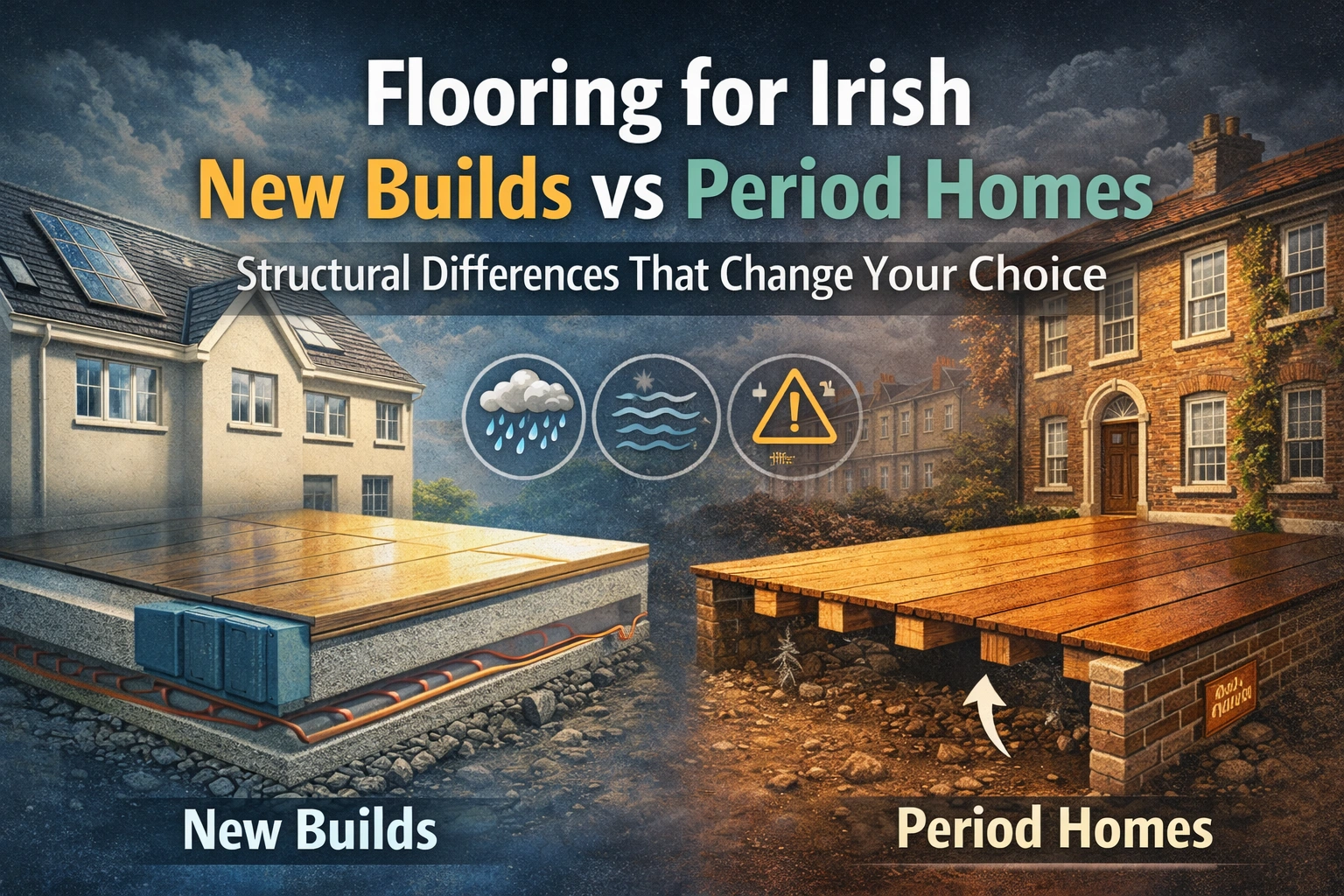
Irish homes present unique challenges: damp weather, seasonal humidity fluctuations, older concrete slabs, suspended timber floors in terraced houses, and retrofits where underfloor heating is common. Because of these factors, choosing eco-friendly flooring isn’t just about picking the “greenest” material: it must also be practical for Ireland’s climate, durable, and safe for long-term indoor use.
In this guide, written with a professional Irish flooring consultant’s perspective, you’ll find every major eco-friendly flooring material available in Ireland, explained in detail with pros, cons, costs, room-by-room recommendations, tables, and real-life context. You’ll also find Ireland-specific insights, sustainability certifications, climate considerations, and practical guidance on moisture, subfloors, and long-term maintenance.
Local specialists such as FBS Flooring (serving Irish homeowners and small businesses nationwide) increasingly help people choose greener flooring options, and the goal here is to educate you first so you can make informed decisions.
What Makes Flooring “Eco-Friendly” in an Irish Home?
For flooring to be considered environmentally friendly in Ireland, it should meet several criteria related to sustainability, indoor health, and climate performance.
1. Renewable or low-impact raw materials
Eco-friendly flooring often uses:
- Cork bark (renewable and harvested without cutting trees)
- Bamboo (fast-growing, but with a transport footprint)
- Sustainably sourced timber (FSC/PEFC certified)
- Natural linoleum from linseed oil and wood flour
- Recycled materials such as reclaimed timber or recycled rubber
2. Low VOC emissions
VOCs (volatile organic compounds) influence indoor air quality. Products with:
- EU Ecolabel
- Blue Angel
- Greenguard Gold
- A+ indoor air quality labels
…are generally safer for Irish households, especially for children or people with asthma.
3. Low embodied carbon and lifecycle impact
Ireland imports much of its flooring, so transport emissions matter. Locally sourced or EU-made materials tend to have a lower carbon footprint.
4. Suitability for Ireland’s damp, maritime climate
Eco-friendly doesn’t mean functional unless the material:
- Handles humidity
- Performs well over a damp-proof membrane
- Works with underfloor heating (common in new Irish builds)
5. End-of-life recyclability
True eco materials can often be:
- Recycled
- Refinished (wood)
- Composted (linoleum)
- Donated or repurposed (reclaimed timber)
Overview: Eco-Friendly Flooring Options Available in Ireland
Below is a quick comparison before we dive deep into each material.

| Material | Renewable? | Works with UFH? | Good for Damp Homes? | VOC Level | Lifespan | Notes |
|---|---|---|---|---|---|---|
| Cork | Yes | Excellent | Good with proper sealing | Very low | 25–40 yrs | Warm, quiet, sustainable |
| Engineered Wood | Yes (if FSC/PEFC) | Very good | Good with DPM | Low | 25–60 yrs | Best mix of eco + durability |
| Solid Wood | Yes | Limited | Needs stable moisture | Low | 40–100 yrs | Highest lifespan |
| Bamboo | Yes | Good | Moderate | Low | 20–30 yrs | Renewable but imported |
| Linoleum (Marmoleum) | Yes | Excellent | Very good | Very low | 25–40 yrs | One of the greenest options |
| Reclaimed Timber | Yes (reused) | Good | Excellent | Zero new VOCs | 50+ yrs | Ultra-low carbon footprint |
| Wool Carpet | Yes | N/A | Good if dry | Moderate | 10–20 yrs | Natural but needs proper backing |
| Recycled Rubber | Partially | Good | Excellent | Low | 15–20 yrs | Best for gyms & utility rooms |
| Laminate (eco versions) | No (wood fiber + resins) | Excellent | Good | Low–moderate | 20–25 yrs | Can be “greener” when high-quality |
Sustainable Timber & Engineered Wood Flooring in Ireland
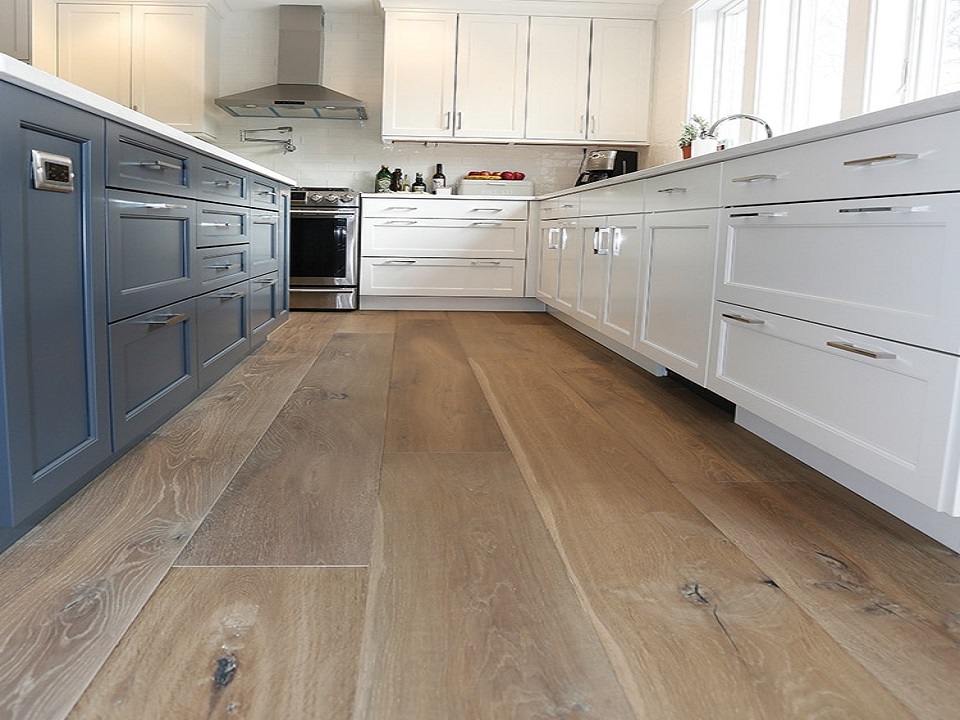
Certified Sustainable Timber (FSC, PEFC)
Ireland imports most hardwood flooring from the EU, with FSC and PEFC certifications ensuring responsible forestry management. These certifications confirm:
- Trees are replanted
- Local ecosystems are preserved
- Wood fibres are responsibly harvested
Where it works best
- Sitting rooms
- Bedrooms
- Hallways
- New builds with controlled humidity

Pros
- Renewable
- Long lifespan
- Can be refinished
- Classic Irish aesthetic
Cons
- Needs stable humidity
- More expensive
Engineered Wood vs. Solid Wood for Ireland
Engineered wood is typically better suited for Ireland’s climate. Its layered construction reduces warping and makes it more compatible with underfloor heating.
Why engineered wood is often more eco-friendly
- Uses less slow-growing hardwood
- Very stable over Irish moisture conditions
- Often EU-manufactured (lower transport footprint)
Solid wood remains a luxurious and long-lasting choice, but can be sensitive to humidity unless the home is already well-regulated.
Cork Flooring: A Natural Fit for the Irish Climate

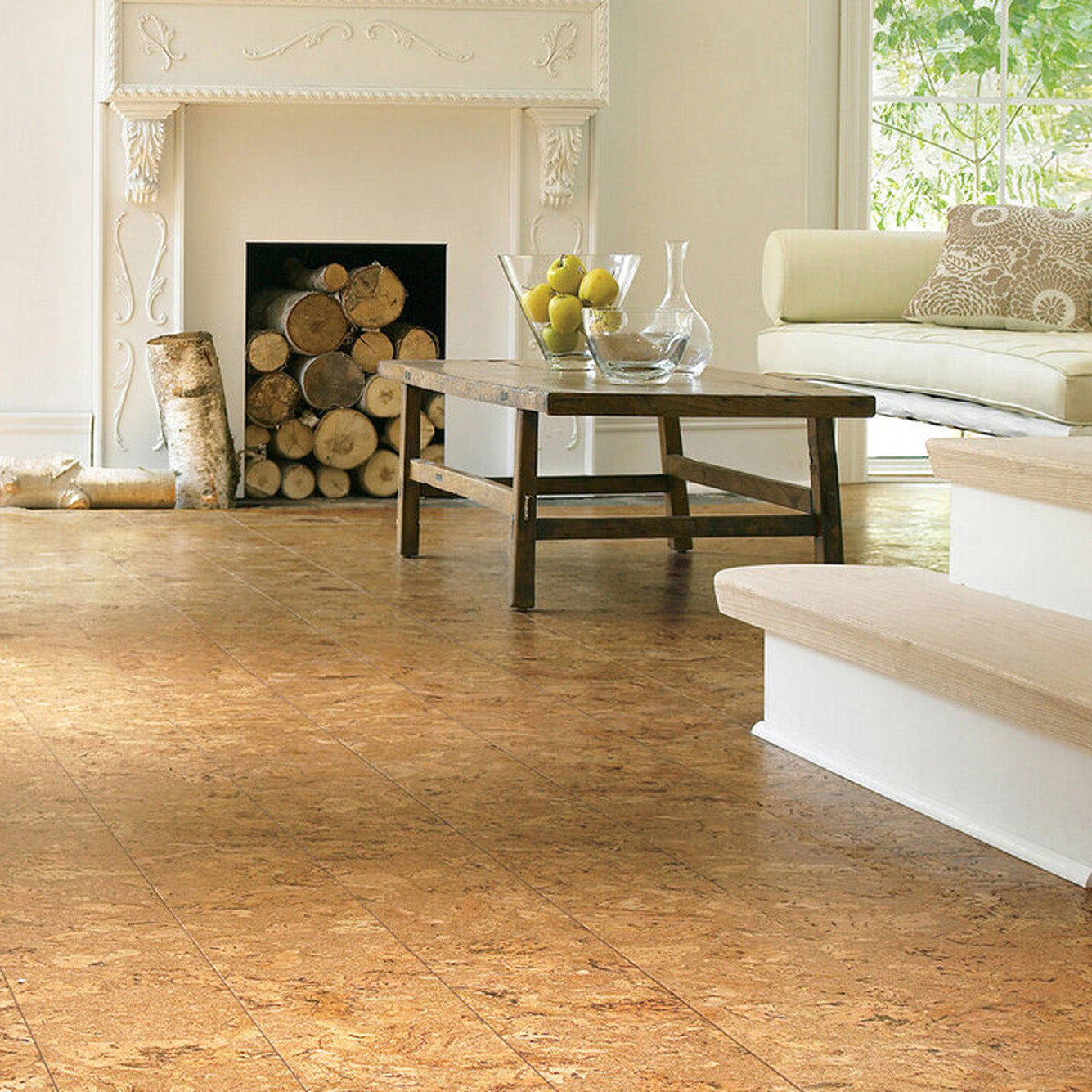
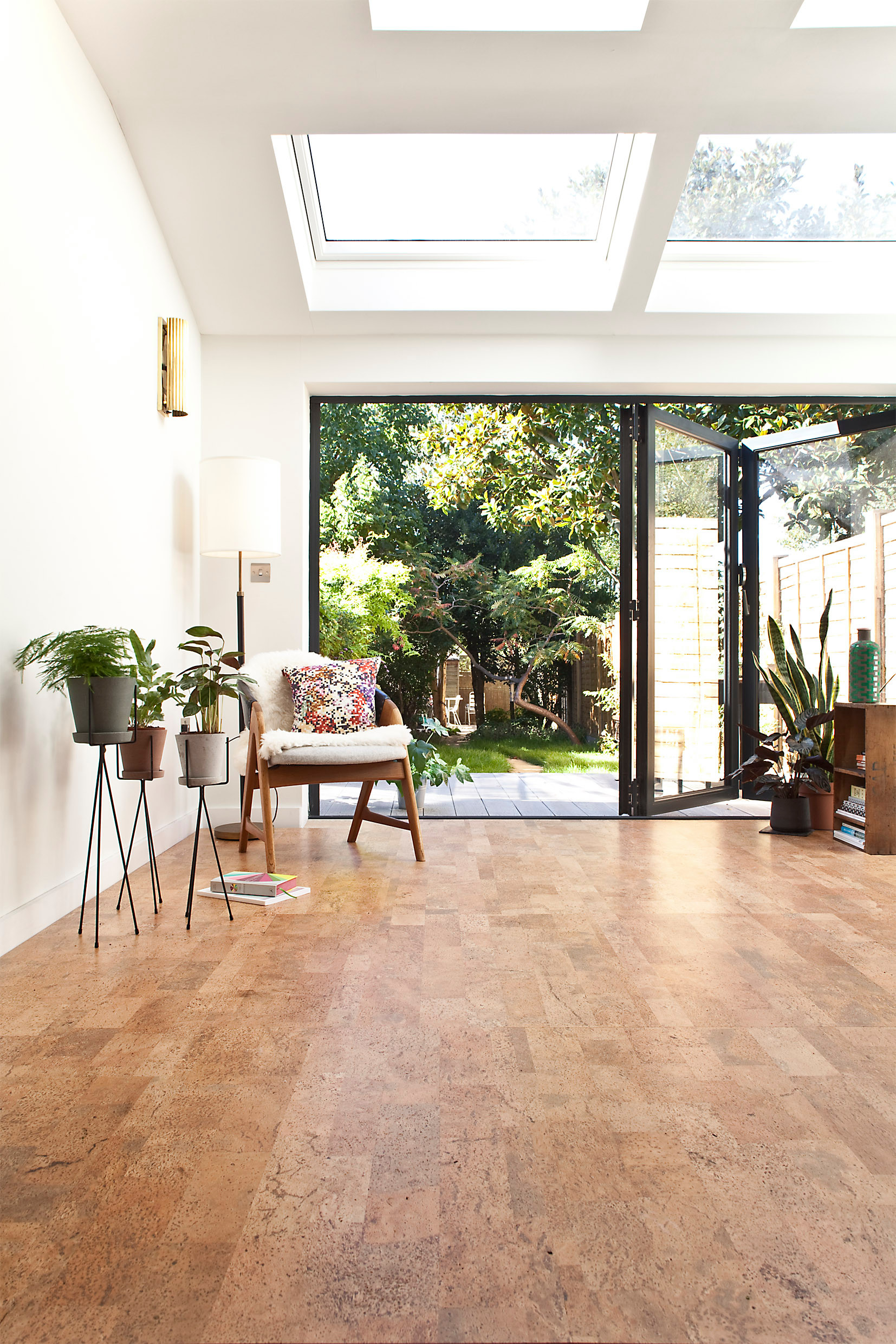
Cork is one of the most sustainable materials available. Harvested from the bark of cork oak trees—without cutting them down—it regenerates naturally.
Why cork works exceptionally well in Ireland
- Warm underfoot for cooler Irish houses
- Excellent sound insulation (useful in apartments or semi-Ds)
- Low VOC emissions
- Works perfectly with underfloor heating
- Resistant to mould when properly sealed
Where to use cork
- Bedrooms
- Living rooms
- Apartments
- Home offices
- Kids’ rooms
Considerations
- Needs sealing in kitchens
- Not ideal for wet rooms unless specially treated
Cork is one of the most popular eco-friendly choices recommended by FBS Flooring clients seeking warmth and sustainability without compromising design.
Bamboo Flooring: Sustainable or Greenwashed?
Bamboo grows rapidly and regenerates without replanting, making it renewable. However, most bamboo flooring sold in Ireland is manufactured in China.
Pros
- Renewable and strong
- Stylish and modern appearance
- Affordable green option
Cons
- Long-distance transport reduces eco gains
- Quality varies greatly by manufacturer
- Not ideal for high-moisture rooms
Where it works
- Living rooms
- Bedrooms
- Light commercial spaces
Natural Linoleum (Marmoleum): A Low-Carbon Workhorse
Natural linoleum—often known under the brand name Marmoleum—is one of the most eco-friendly materials in the world. Made from:
- Linseed oil
- Wood flour
- Natural resins
- Jute backing
- Mineral pigments
It is biodegradable, low-VOC, and extremely durable.
Why Irish homes benefit from linoleum
- Great for kitchens and hallways
- Naturally antibacterial—a benefit for families
- Performs well with underfloor heating
- Very stable in Ireland’s humidity
Best rooms
- Kitchens
- Hallways
- Schools/offices
- Utility rooms
Reclaimed Timber: Ireland’s Most Sustainable Option
Reclaimed timber has nearly zero embodied carbon because it reuses existing material.

Benefits
- Character-rich appearance
- No new trees felled
- Works exceptionally well in older Irish homes
- Very durable when refurbished
Challenges
- Sourcing quality reclaimed wood
- Requires a skilled installer
- Boards may need machining or refinishing
In many restoration projects, local suppliers or flooring teams—including FBS Flooring partners—reuse materials from older Dublin, Cork, or Limerick buildings.
Natural Wool Carpets in Ireland
Wool is a renewable, biodegradable material and is often sourced from Ireland or the UK.
Pros
- Soft and warm
- Good for acoustics
- Natural fibre
- Long-lasting
Cons
- Can attract moths
- Backing materials may not be eco-friendly
- Not ideal for allergy sufferers
Best rooms
- Bedrooms
- Sitting rooms
Can Laminate or LVT Ever Be Eco-Friendly?
Laminate and LVT are not naturally eco-friendly due to resins, adhesives, and plastics. However, high-quality versions with low VOC certifications can still be a practical and greener choice when durability and budget are major constraints.
When they make sense
- Rentals
- Heavy-use areas
- Tight budgets
- Homes that need easy maintenance
FBS Flooring clients sometimes choose high-quality, low-VOC laminate because long lifespan + minimal replacement can still be eco-conscious.
Room-by-Room Guide: Best Eco-Friendly Flooring for Irish Homes
Kitchen
- Linoleum
- Engineered wood
- Sealed cork
- Recycled rubber (modern kitchens)
Living Room / Sitting Room
- Engineered wood
- Cork
- Wool carpet
- Reclaimed timber
Bedrooms
- Cork
- Wool carpet
- Engineered wood
Hallways
- Linoleum
- Engineered wood
- Reclaimed timber
Bathrooms
- Linoleum (sheet)
- Stone composite alternatives (eco versions)
- Treated cork (only specific brands)
Utility Rooms
- Linoleum
- Recycled rubber
Garden Rooms / Extensions
- Engineered wood
- Linoleum
- High-quality eco laminate
Subfloors, Underlays & Moisture: Critical in Ireland
Irish homes frequently deal with:
- Damp concrete slabs
- Cold suspended timber floors
- Old screeds in Victorian and pre-war homes
Eco-friendly underlays include:
- Cork underlay
- Felt underlay (recycled fibres)
- Recycled rubber underlay
Moisture protection tips
- Always test the moisture before installation
- Include DPM layers where needed
- Allow materials to acclimate inside the home
FBS Flooring installers often carry digital hygrometers to test subfloors before any eco-friendly installation begins.
Cost, Lifespan & Value Comparison (Ireland)
| Material | Supply €/m² | Installed €/m² | Lifespan | Maintenance |
|---|---|---|---|---|
| Cork | €25–€45 | €45–€75 | 25–40 yrs | Easy |
| Engineered Wood | €35–€70 | €60–€110 | 25–60 yrs | Medium |
| Solid Wood | €45–€100 | €90–€150 | 40–100 yrs | Medium |
| Bamboo | €25–€50 | €45–€80 | 20–30 yrs | Easy |
| Linoleum | €30–€55 | €60–€100 | 25–40 yrs | Easy |
| Reclaimed Wood | €30–€70 | €80–€130 | 50+ yrs | Medium |
| Wool Carpet | €25–€60 | €45–€100 | 10–20 yrs | Medium |
Common Mistakes Homeowners Make with Eco Flooring
- Ignoring moisture levels
- Choosing the wrong material for kitchens/bathrooms
- Using high-VOC adhesives
- Not considering underfloor heating compatibility
- Prioritising aesthetics over sustainability
- Skipping acclimatization
- Forgetting about soundproofing needs in apartments
How to Choose the Right Eco-Friendly Flooring in Ireland
Step-by-Step Framework
- Test moisture & check subfloor type
- Define room use (kids, pets, heat, traffic)
- Set realistic budget tiers
- Shortlist 2–3 materials per room
- Check certifications (EU Ecolabel, FSC, A+)
- Consult a local expert or installer
Many homeowners consult companies such as FBS Flooring at this stage for product samples, inspections, or on-site advice.
FAQ: Eco-Friendly Flooring in Ireland
1. What is the most eco-friendly flooring in Ireland?
Cork, linoleum, reclaimed timber, and FSC-certified engineered wood are generally the top eco choices.
2. Is cork good for Ireland’s damp climate?
Yes—when sealed properly, cork performs well in Irish humidity.
3. Can eco flooring work with underfloor heating?
Yes. The best options are engineered wood, linoleum, and cork.
4. Is bamboo really sustainable?
As a raw material, yes. But transport from Asia increases its carbon footprint.
5. Are there eco choices for bathrooms?
Natural linoleum and certain treated cork systems work best.
6. Which flooring helps with allergies?
Low-VOC engineered wood, cork, or linoleum.
7. Are eco options more expensive?
Some are, but lifespan and energy savings often justify the cost.
8. Is laminate eco-friendly?
Not naturally, but low-VOC, high-quality laminate can be a greener, practical choice.
9. Can eco-friendly flooring improve BER scores?
Indirectly, better insulation and UFH compatibility help.
10. Is linoleum better than vinyl?
Yes. It’s fully natural, biodegradable, and extremely low VOC.
11. Are there flooring grants in Ireland?
No direct flooring grants, but SEAI retrofit grants may indirectly impact flooring choices.
Conclusion
Eco-friendly flooring in Ireland is no longer a niche trend — it’s a practical, healthy, and climate-smart choice. From cork to engineered wood, from reclaimed timber to natural linoleum, Irish homes have more sustainable options than ever before.
Whether you’re renovating a Dublin semi-D, transforming a Galway apartment, or upgrading a rural home in Kerry, choosing the right eco-friendly flooring means balancing sustainability with durability, comfort, moisture performance, and long-term value.
Local companies such as FBS Flooring help homeowners navigate this process with product recommendations, moisture testing, and installation expertise — but this guide gives you everything you need to start confidently.