Skip to content

Hardwood floors remain one of the most admired features in Irish homes. Their warmth, natural appearance, and long lifespan complement both modern and traditional Irish architecture. Yet Ireland’s unique climate, heavy rainfall, indoor humidity, sudden temperature swings, and high foot traffic make proper care essential.
Drawing on decades of hands-on work across Irish homes as FBS Flooring, this guide offers clear, practical, climate-specific advice for maintaining hardwood floors in Dublin, Cork, Galway, Limerick, and rural coastlines. Whether your home is a new-build estate, a 1930s semi-detached, an apartment, or a coastal cottage, this guide ensures your hardwood floors stay beautiful for decades.
Why Hardwood Floors Are So Popular in Irish Homes
Hardwood flooring has become a favourite choice for Irish homeowners due to its warmth, charm, and ability to increase property value. Its versatility makes it suitable for living rooms, hallways, bedrooms, and carefully managed kitchens.
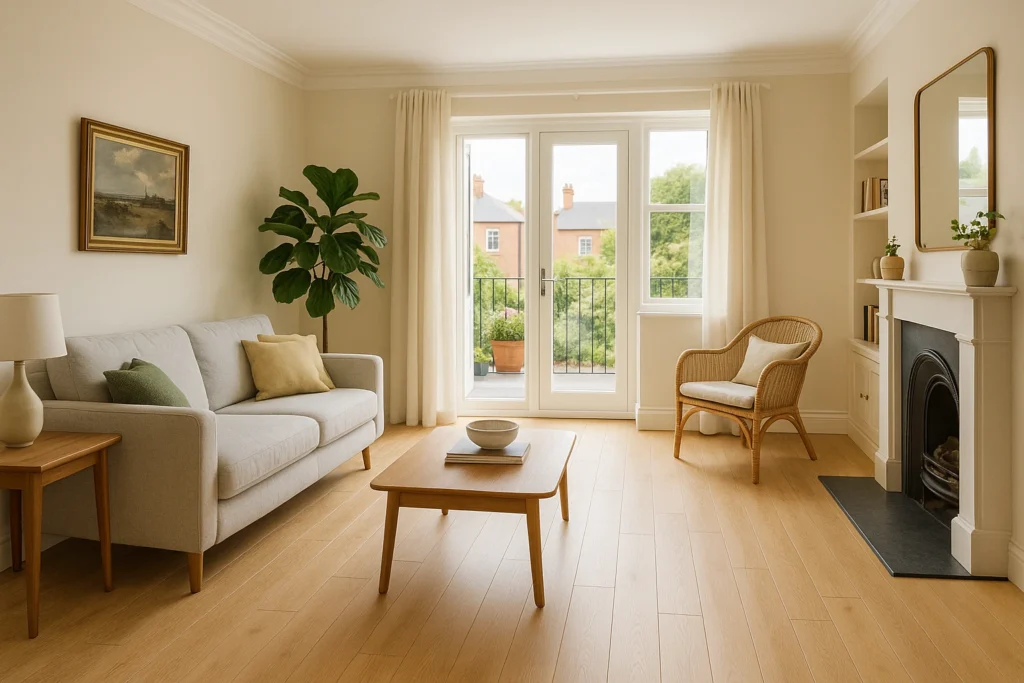
Typical hardwood types found in Irish homes include European Oak, Walnut, Ash, and Beech. Solid wood remains popular in older homes, engineered wood dominates new-builds, and parquet is making a strong comeback in both apartments and classic Dublin properties.
Understanding Your Hardwood Floor: Types, Finishes, and Room Use
Different floors require different care routines. Before choosing products or methods, it is crucial to know whether your floor is solid, engineered, or parquet and what type of finish protects it.
Floor Types
- Solid wood: Extremely long-lasting but more vulnerable to seasonal movement.
- Engineered wood: Highly stable, ideal for underfloor heating.
- Parquet: Stylish and timeless, but dirt can accumulate between patterns if not cleaned correctly.
Common Finishes in Ireland
- Lacquered: Durable and easy-care.
- Oiled: Natural matte look; requires regular re-oiling.
- Waxed: Less common, typically in older homes.
- UV-oiled: Factory-finished and highly resilient in busy households.
Room Considerations
- Living rooms: Moderate maintenance.
- Hallways: Frequent cleaning due to shoes and moisture.
- Kitchens: Possible with disciplined spill control.
- Bedrooms: Lowest maintenance.
- Apartments: Engineered boards perform best.
How Ireland’s Climate Affects Hardwood Floors
Ireland’s climate is one of the biggest influences on wood behaviour. Hardwood adapts to its environment, and changes in humidity or temperature can affect how the boards look and feel.
Common Irish factors affecting hardwood:
- Persistent rain and humidity
- Coastal air moisture
- Winter heating drying out air
- Rapid temperature fluctuations
- Cold or rarely used rooms causing condensation
-Coastal zones are marked with the blue color
-Land zones are marked with red color
Humidity zones (average %)
- Coastal: 82.8%
- Inland: 81.8%
| City | Region type | Humidity (%) |
|---|---|---|
| Dublin (Coastal) | Coastal | 80% |
| Cork (Coastal) | Coastal | 73% |
| Galway (Coastal) | Coastal | 90% |
| Limerick (Near Coast) | Coastal | 88% |
| Athlone (Inland) | Inland | 91% |
| Tullamore (Inland) | Inland | 79% |
| Kilkenny (Inland) | Inland | 76% |
| Portlaoise (Inland) | Inland | 81% |
Humidity, Seasonal Movement, and Climate Challenges
The ideal indoor humidity range for hardwood floors in Ireland is 40–60%. When levels fall too low in winter, boards may shrink and create gaps. In summer, higher humidity causes expansion. Cupping, crowning, or gaps are often seasonal and not structural faults.
To stabilise humidity:
- Use dehumidifiers in damp coastal homes.
- Use humidifiers during winter heating.
- Avoid rapid temperature swings.
- Ventilate kitchens and bathrooms well.
Proper humidity control is the single most important factor in preserving Irish hardwood floors.
Daily and Weekly Cleaning Routine for Irish Homes
Ireland’s wetter climate means dirt and moisture accumulate faster. A simple, consistent cleaning routine prevents long-term damage.
Daily/Regular Care
- Vacuum or sweep with a soft-brush attachment.
- Place mats inside and outside entrances.
- Wipe spills immediately.
- Keep a microfibre cloth nearby in hallways.
Weekly Care
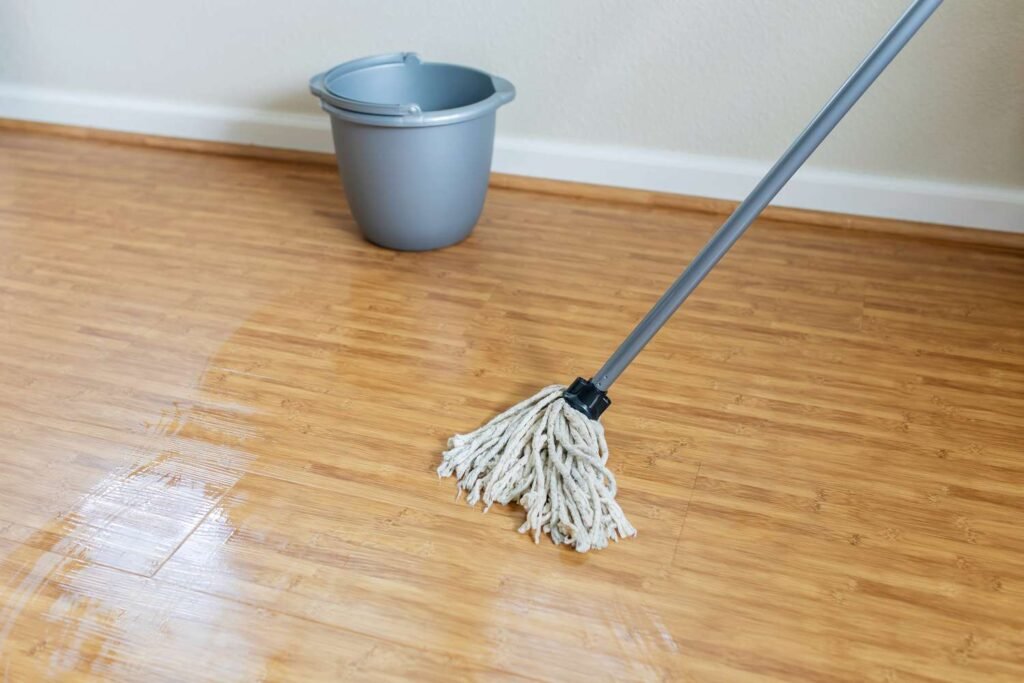
- Use a well-wrung microfibre mop.
- Clean with a pH-neutral cleaner suitable for hardwood.
- Avoid steam mops, bleach, vinegar, and excessive water.
- Mop in the direction of the wood grain.
Key Do’s and Don’ts
Do:
- Use felt pads under furniture.
- Add hallway runners.
- Trim pet claws.
Don’t:
- Drag furniture.
- Leave standing water.
- Use abrasive tools or harsh detergents.
Monthly and Annual Maintenance for Long-Lasting Floors
While daily and weekly care keep floors clean, long-term durability comes from scheduled maintenance. As FBS Flooring, we’ve restored thousands of Irish floors, and the best-looking ones follow a predictable monthly and yearly care routine.
Monthly Deep Cleaning
- Vacuum thoroughly.
- Use a slightly stronger pH-neutral cleaner.
- Mop with minimal water.
- Focus on high-traffic paths.
Oiled Floor Maintenance
Oiled floors require more attention than lacquered ones.
Typical re-oiling frequency in Ireland:
- Busy homes: every 6–12 months
- Bedrooms: every 12–18 months
- Coastal homes: every 3–6 months
Steps for oil refresh:
- Clean floor thoroughly.
- Apply a thin layer of maintenance oil.
- Buff lightly.
- Let dry as instructed.
Polishing Traffic Lanes
Areas like hallways and kitchen entrances dull faster. A once- or twice-yearly polish on lacquered floors can restore sheen.
When Professional Care Is Needed
You may need professional help if you notice:
- Persistent dullness
- Deep grey traffic lines
- Finish worn at entrances
- Visible scratches across large areas
- Signs of moisture damage
Professional options include buffing and recoating, deep cleaning and re-oiling, or full sanding and refinishing.
Protecting Hardwood Floors from Everyday Irish Life
Ireland’s lifestyle, rain, grit, muddy shoes, and coastal air require strategic protection.
Managing Rain, Grit, and Mud
- Use two mats at every entrance.
- Keep a shoe tray near the door.
- Wipe pet paws during wet seasons.
- Clean hallways more frequently.
Preventing Scratches
- Felt pads under every piece of furniture.
- Replace pads often.
- Avoid wearing high heels on softwood floors.
- Trim pets’ nails regularly.
Minimising Sun Fading
Even cloudy weather causes UV fading.
Use blinds, rotate rugs, and choose UV-protective finishes.
Busy Homes, Kids, and Rentals
For homes with children or tenants:
- Use washable runners.
- Choose lacquered finishes for durability.
- Inspect floors regularly for leaks or stains.
Spills, Stains, Scratches, and Damage
Spill Handling
Wipe tea, coffee, wine, and pet accidents immediately.
Do not allow moisture to sit longer than one minute.
Surface Scratches
Polish for lacquered floors or use maintenance oil for oiled surfaces.
Deep Scratches and Gouges
Often require professional sanding or spot refinishing.
Water Damage
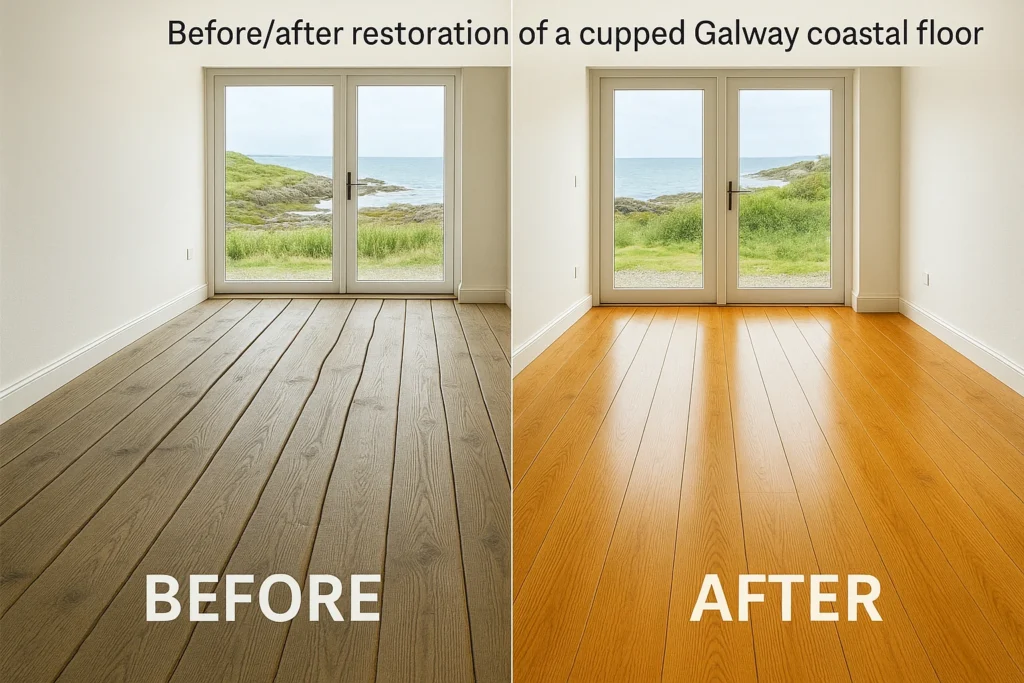
Signs include cupping, softness, or dark staining.
Dry the area with ventilation and dehumidifiers before considering sanding.
Underfloor Heating and Hardwood Floors in Ireland
Underfloor heating systems pair beautifully with engineered hardwood, which is now the preferred option in modern Irish homes.
Best Wood for UFH
- Engineered hardwood
- UV-oiled or lacquered finishes
Avoid thick solid boards, softwoods, and waxed finishes.
Temperature Guidelines
- Never exceed 27°C on the floor surface.
- Increase heat slowly over several days.
- Maintain steady humidity in winter.
Maintenance Tips
- Clean with minimal moisture.
- Avoid blocking heat with thick rugs.
- Monitor humidity closely.
Room-by-Room Maintenance Tips
Entrances and Hallways
- Two mats are essential.
- Clean frequently.
- Use runners with breathable backing.
- Recoat hallways more often.
Sitting Rooms
- Moderate traffic.
- Vacuum weekly.
- Rotate furniture to reduce fading.
Kitchens
- Clean spills immediately.
- Inspect for steam or leaks.
- Refinish sooner in heavy-use homes.
Bedrooms
- Easiest rooms to maintain.
- Weekly vacuuming is enough.
Apartments and Rentals
- Use engineered boards for stability.
- Avoid steam cleaning.
- Add felt pads on all furniture
DIY vs Professional Hardwood Floor Maintenance in Ireland
As FBS Flooring, we always encourage homeowners to handle simple routine maintenance themselves. Irish hardwood floors are durable and forgiving when cared for correctly. But we also know where mistakes often occur, especially with sanding or improper cleaning products.
Below is a clear breakdown of what you can confidently do yourself and when you should call a professional.
What You Can Safely Do Yourself
Most Irish homeowners can manage the following without risk:
- Daily vacuuming and sweeping
- Weekly damp-mopping with a hardwood-safe cleaner
- Adding felt pads under furniture
- Minor scratch repair on lacquered surfaces
- Applying maintenance oil to small oiled areas
- Protecting entrances with mats and shoe trays
- Managing humidity using dehumidifiers or humidifiers
- Light stain removal with approved cleaners
These tasks prevent 90% of the long-term damage we see in Irish homes.
What Requires a Professional
The following tasks should always be handled by trained flooring specialists:
- Deep scratches across multiple boards
- Heavy grey traffic lanes that won’t clean away
- Significant fading or worn-out finish
- Water damage, cupping, or crowning
- Loose or lifting boards
- Sanding and refinishing
- Pattern repair on herringbone or parquet flooring
- Burn marks or stubborn black water stains
Attempting these repairs yourself often leads to uneven surfaces, visible patches, or costly corrections later.
What to Expect from Professional Services
Professional hardwood maintenance in Ireland usually includes:
- Deep machine cleaning to remove embedded dirt
- Buffing and re-coating to restore lacquered finishes
- Re-oiling of entire floors or specific zones
- Full sanding and refinishing using dust-control systems
- Moisture assessment and humidity advice
- Colour matching for repairs or extensions
Flooring specialists also provide long-term care recommendations specific to your home’s layout and climate conditions.
Indicative Cost Ranges (Ireland)
Prices vary based on location, floor condition, wood type, and finish, but the following ranges offer a general idea:
- Deep clean & refresh: €8–€14 per m²
- Buff and recoat: €15–€25 per m²
- Full sanding & refinishing: €25–€45 per m²
- Parquet sanding: €35–€55 per m²
These are broad examples, not fixed quotations, as each property requires a proper onsite assessment.
Sustainable and Eco-Friendly Hardwood Floor Care
Irish homeowners are increasingly choosing eco-friendly cleaning routines. Sustainability aligns perfectly with hardwood flooring because well-maintained wood lasts decades, preventing replacement waste.
Choosing Low-VOC Products
Eco-friendly options include:
- Low-VOC cleaners
- Water-based lacquers
- Natural maintenance oils
- Environmentally responsible waxes
These reduce indoor air pollution and are better for families and pets.
Avoiding Harsh Chemicals
Bleach, ammonia, vinegar, and generic supermarket “wood cleaners” often contain corrosive or acidic ingredients. These degrade finishes and shorten the lifespan of the floor.
Opt for products labelled as:
- Hardwood-safe
- pH-neutral
- Suitable for oiled or lacquered finishes
Extending Floor Lifespan
Caring for hardwood floors reduces carbon footprint significantly.
A well-maintained floor in Ireland can last 40–70 years, while neglected floors may require full sanding every 5–7 years or full replacement unnecessarily.
Seasonal Hardwood Floor Care Checklist for Irish Homes
After working across Ireland for decades, we’ve developed a simple seasonal checklist that keeps floors in perfect condition year-round.
Spring
- Perform a post-winter deep clean.
- Check for moisture issues at entry doors.
- Refresh oiled areas affected by winter humidity.
- Monitor gaps; many will close naturally.
Summer
- Watch for sun fading in bright rooms.
- Rotate rugs and furniture to avoid patchy discolouration.
- Use blinds during peak sunlight.
- Maintain humidity to avoid boards drying out.
Autumn
- Prepare for heavy rain: add fresh mats.
- Inspect window and door seals.
- Clean hallways more frequently to manage grit.
- Reapply maintenance oil before humidity spikes.
Winter
- Manage indoor dryness caused by heating.
- Use humidifiers in centrally heated homes.
- Clean muddy footprints promptly.
- Check for condensation near cold walls or patio doors.
This seasonal plan is one of the strongest long-term prevention methods.
Frequently Asked Questions About Hardwood Floor Maintenance in Ireland
How often should I mop hardwood floors in Ireland?
You should mop hardwood floors once per week using a well-wrung microfibre mop. Ireland’s damp climate brings in grit and moisture, so weekly mopping prevents buildup without overwetting the surface. Always use a pH-neutral hardwood cleaner.
Is a steam mop safe for hardwood floors?
No, steam mops are not safe for hardwood floors. They force moisture and heat into the wood, causing swelling, finish breakdown, dull patches, and long-term damage. Use only low-moisture cleaning methods.
How should I clean wooden floors after a rainy day?
Wipe up water immediately and vacuum grit near entrances. Rain carries moisture and dirt from outside, so mats and quick cleaning are essential to prevent scratches and staining.
How often should I re-oil or re-finish my wood floors?
Oiled floors should be refreshed every 6–12 months, depending on traffic. Lacquered floors typically need a professional buff and recoat every 3–5 years. Full sanding is usually required every 10–15 years.
What humidity level is best for hardwood floors?
Hardwood floors in Ireland perform best between 40–60% indoor humidity. Use dehumidifiers or humidifiers as needed, especially during damp winters or heavily heated winters.
Can hardwood floors be installed in Irish kitchens?
Yes, hardwood can work in kitchens if spills are cleaned immediately and ventilation is good. Avoid standing water, leaking appliances, and heavy steam exposure.
Are hardwood floors suitable for underfloor heating?
Yes, engineered hardwood floors are ideal for underfloor heating. Keep the floor surface below 27°C and increase temperatures gradually to prevent gapping or drying.
How do I protect floors from pets?
Trim pet claws, use mats at garden exits, and clean spills quickly. Hardwood floors tolerate pets well with regular vacuuming and protective pads on furniture.
Why is my wood floor going dull even after cleaning?
Dullness usually means the finish is wearing down. Dirt, shoes, and daily traffic slowly break the surface coating. A professional buff and recoat restores the sheen.
How do I remove black water stains from my wooden floor?
Black stains indicate moisture has penetrated the finish and reached the timber. These cannot be cleaned away and require sanding or professional treatment.
Do I need to sand my floors every time they look worn?
No. Many dull or lightly worn floors only need a buff and recoat. Full sanding is a last resort when the finish is completely broken down.
Is vinegar safe for cleaning hardwood floors?
No. Vinegar is acidic and can damage both lacquered and oiled finishes over time. Always use a hardwood-specific pH-neutral cleaner.
How long should I wait before walking on freshly refinished floors?
Walking is usually allowed after 3–4 hours with socks only, depending on the finish. Heavy furniture should wait 24–48 hours.
How can I tell if my floor needs professional sanding?
You likely need sanding if the finish has worn away to raw wood, deep scratches run across multiple boards, or the colour looks grey and patchy in traffic lanes.
Are hardwood floors a good long-term investment in Ireland?
Yes, when maintained properly, hardwood floors can last 40–70 years. They increase property value and suit both modern and traditional Irish homes.