 Skip to content

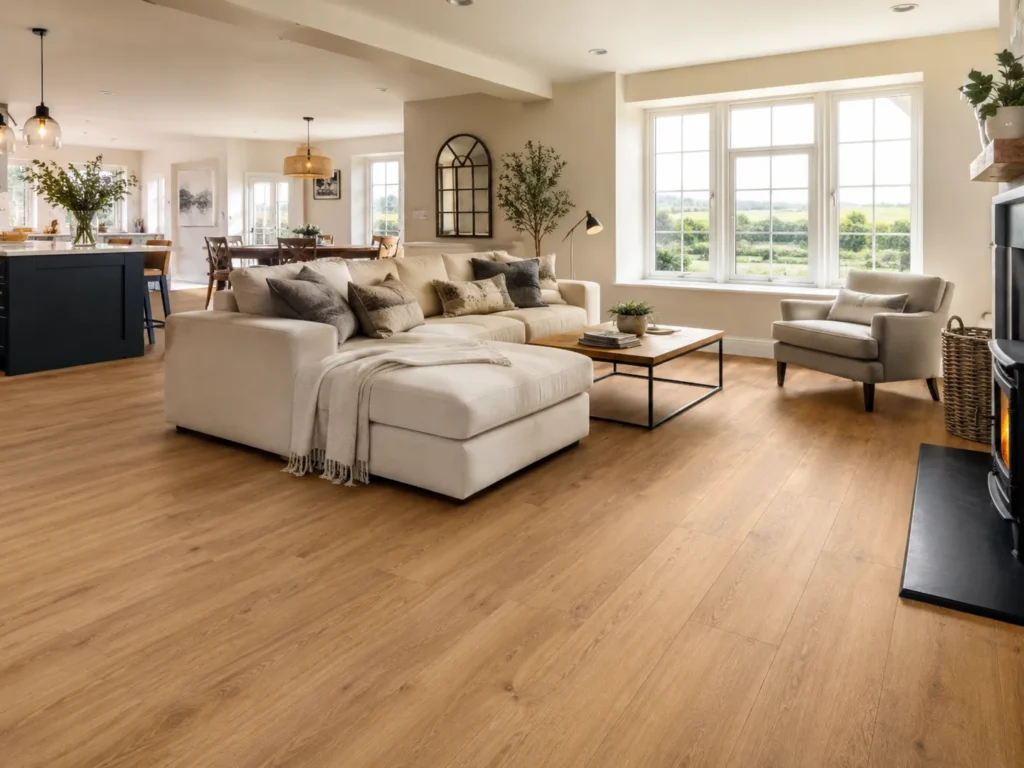
SPC flooring is a 100% waterproof, rigid-core vinyl floor built around a dense stone-polymer composite — limestone powder blended with PVC and stabilisers. It clicks together as a floating floor, shrugs off scratches and dents, and works with underfloor heating, which is why it has become one of the most practical floors for the way we actually live.
At FBS Flooring, SPC has quietly become one of our most-requested ranges, and demand for SPC flooring Ireland-wide keeps climbing — for good reason. We’ve specified and overseen the fitting of SPC, laminate, engineered wood and luxury vinyl in hundreds of homes across the country, from coastal cottages in the west to period terraces in Dublin and new-build apartments. This guide pulls together everything we’ve learned, the honest pros and cons included, so you can decide whether SPC is right for your home.
What does “SPC” stand for?
SPC stands for Stone Plastic Composite (also called Stone Polymer Composite). The “stone” refers to the limestone or stone powder that makes up most of the rigid core; the “plastic/polymer” is the PVC and stabilisers that bind it. Together they create a board that is far denser and more dimensionally stable than older flexible vinyl.
That density is the whole point. Where traditional vinyl could ripple, telegraph bumps in the subfloor or shift with temperature, a rigid SPC core stays flat and stable. It’s a member of the wider “rigid core” or “hybrid” flooring family, and it sits alongside its cousin WPC (Wood Plastic Composite), which uses a softer, foamed core that feels warmer underfoot but dents more easily.
How SPC flooring is made: the layers explained
Every quality SPC plank is built from four bonded layers, top to bottom. Understanding them makes it far easier to compare products honestly.
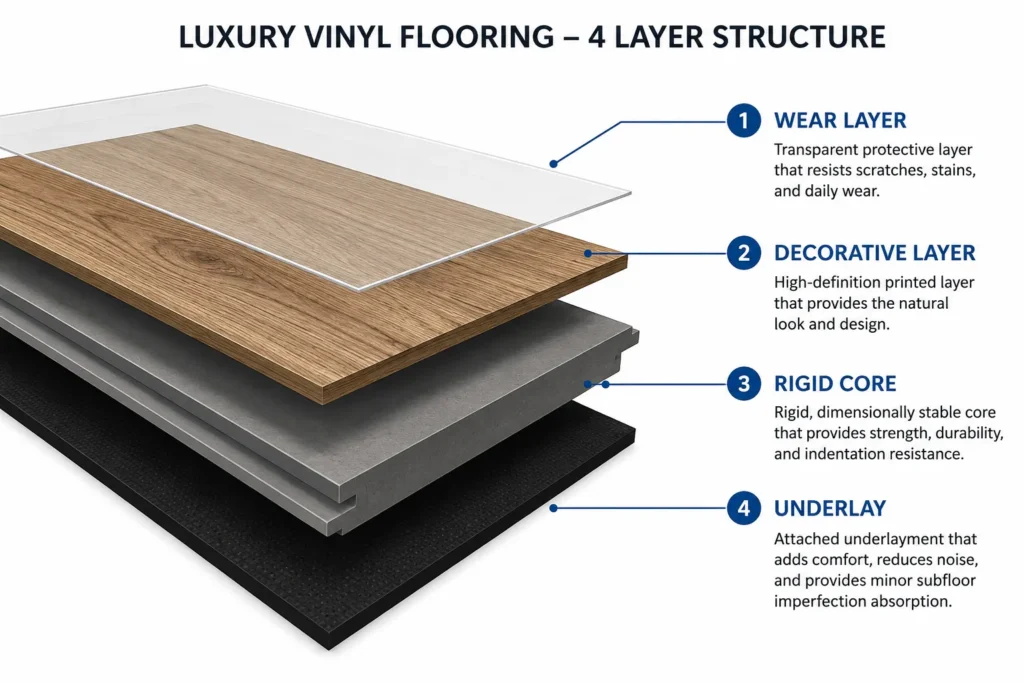
- Wear layer — a clear, tough top coat (usually polyurethane or aluminium-oxide enhanced) measured in microns or mil. This is what resists scratches, scuffs and daily traffic. Thicker means more hard-wearing.
- Decorative (print) layer — a high-resolution photographic film that gives the floor its realistic oak, walnut or stone appearance, paired with an embossed texture for a tactile, true-to-life finish.
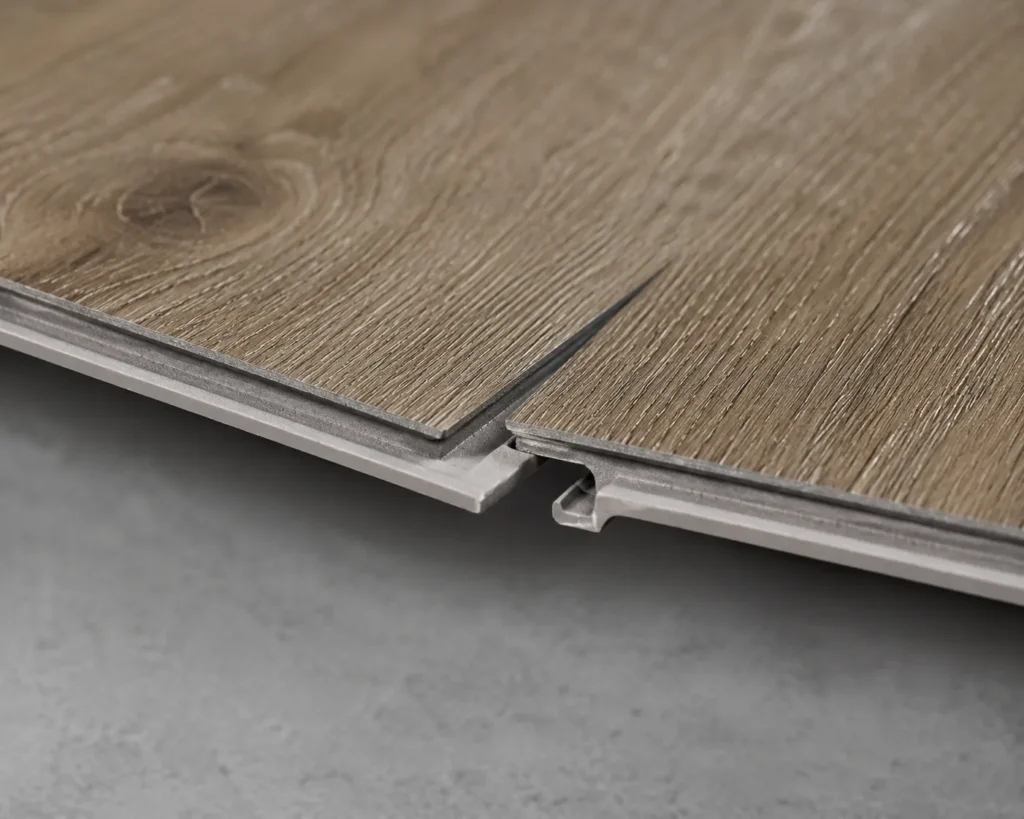
- Rigid SPC core — the dense stone-polymer heart of the board. This delivers the waterproofing, stability and dent resistance, and carries the click-lock joint that holds planks together.
- Attached underlay — many SPC ranges come with a pre-bonded IXPE or cork acoustic backing, which softens footfall, improves comfort and saves you buying separate underlay.
When customers ask us why SPC feels so solid compared with a cheap vinyl, the answer is almost always in that core and wear-layer combination.

SPC vs laminate, LVT and engineered wood
SPC is often shortlisted against laminate, flexible luxury vinyl tile (LVT) and engineered wood. Each has its place — there is no single “best” floor, only the best floor for a given room. Here is how they compare for Irish conditions.
| Feature | SPC | Laminate | Flexible LVT | Engineered wood |
|---|---|---|---|---|
| Core | Rigid stone-polymer (limestone + PVC) | HDF fibreboard | Flexible PVC | Plywood + real wood veneer |
| Waterproof | 100% waterproof | Water-resistant only; HDF swells if soaked | Water-resistant to waterproof | Not waterproof |
| Dimensional stability | Excellent — handles temperature swings | Good | Can telegraph the subfloor | Moves with humidity |
| Underfloor heating | Yes, within temperature limits | Many ranges, yes | Yes | Yes |
| Comfort underfoot | Firm; can feel cool | Firm | Softer, warmer | Warmest, most natural |
| Subfloor tolerance | Lays over tiles, concrete or timber; hides minor flaws | Needs a flat subfloor | Shows imperfections | Needs a flat subfloor |
| Typical lifespan | 15–25 years | 10–20 years | 10–20 years | 20–30+ years (can be re-sanded) |
| Indicative supply (Ireland) | €20–€45 per m² | €12–€35 per m² | €18–€40 per m² | €35–€90+ per m² |
The headline difference is water. If a laminate floor is flooded and water reaches the HDF core, it can swell permanently; an SPC board can sit in standing water and dry out unaffected. If you want a deeper breakdown of the vinyl side specifically, our guide to laminate vs vinyl flooring in Ireland walks through it in detail.
The key benefits of SPC flooring
After fitting SPC in so many Irish homes, these are the advantages customers value most:
- Genuinely waterproof. SPC is suitable for kitchens, bathrooms, utility rooms and other splash-prone spaces where wood and laminate struggle.
- Dimensionally stable. The rigid core barely reacts to the temperature and humidity swings common in Irish homes, so you avoid the gapping and lifting that plague less stable floors.
- Tough on daily life. A good wear layer resists scratches from furniture, claws and grit — one reason SPC features so often in our advice on the best flooring for pet owners in Ireland and on flooring for families with children.
- Quiet and comfortable. With an attached acoustic backing, SPC reduces footfall noise — useful in apartments and upstairs rooms, as we cover in our soundproof flooring guide.
- Fast, clean installation. The angle-and-click system floats over most subfloors with no glue or nails and minimal mess.
- Low maintenance. A sweep and a damp mop is genuinely all it needs — no sealing, oiling or polishing.
- Realistic looks. Modern embossing and print make today’s SPC oak and stone designs convincingly close to the real thing.
The drawbacks: where SPC falls short
We’d rather you buy the right floor than the most expensive one, so here is the honest other side.
- Firm and cool underfoot. That rigid core is hard. Without underfloor heating, SPC can feel cooler than wood or carpet in winter, and it has less “give” than a softer WPC or cushioned vinyl.
- Point-load indentation. Very heavy, narrow loads — a piano leg, a fridge foot — can leave a mark over time. Felt pads and load-spreading discs solve this easily.
- The subfloor must be sound. SPC is forgiving of minor imperfections, but a badly uneven or unstable base will still cause problems. Proper preparation matters (more below).
- It isn’t real wood. It looks and performs brilliantly, but it can’t be sanded back and refinished the way a solid or engineered timber floor can, and some buyers simply prefer natural material.
- PVC content. SPC is a plastic-based product. Reputable, phthalate-free ranges are the responsible choice if sustainability is a priority for you.
Why SPC flooring suits Irish homes
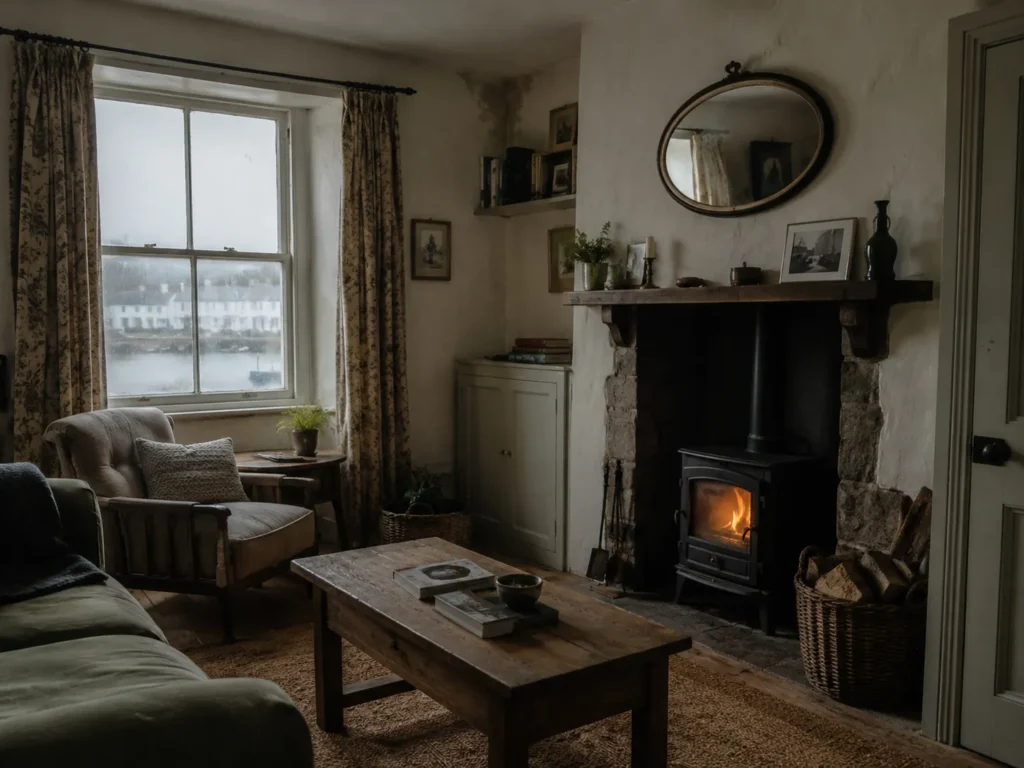
This is where SPC really earns its keep. Ireland’s damp, variable climate is hard on flooring, and our housing stock is unusually mixed — Georgian and Victorian terraces sitting beside 2020s A-rated new builds.
Humidity and damp. Persistent moisture and high relative humidity cause timber and laminate to expand, cup and gap. SPC’s waterproof, stable core barely notices. Conditions vary widely by region, as our county-by-county moisture and humidity guide shows, and SPC copes well across nearly all of them — including humid coastal areas.
Period homes. Older Irish houses often have suspended timber floors, slightly uneven surfaces and inconsistent heating. SPC’s rigid core bridges minor imperfections better than thinner floors and tolerates the conditions these homes throw at it.
New builds. Modern airtight homes increasingly run underfloor heating, and SPC is a natural partner for it (covered next).
Rentals and holiday lets. For high-turnover properties, SPC’s durability and easy cleaning are ideal — which is why it appears so often in our recommendations for the best flooring for Irish holiday homes and Airbnb properties.
Best rooms for SPC flooring in an Irish home
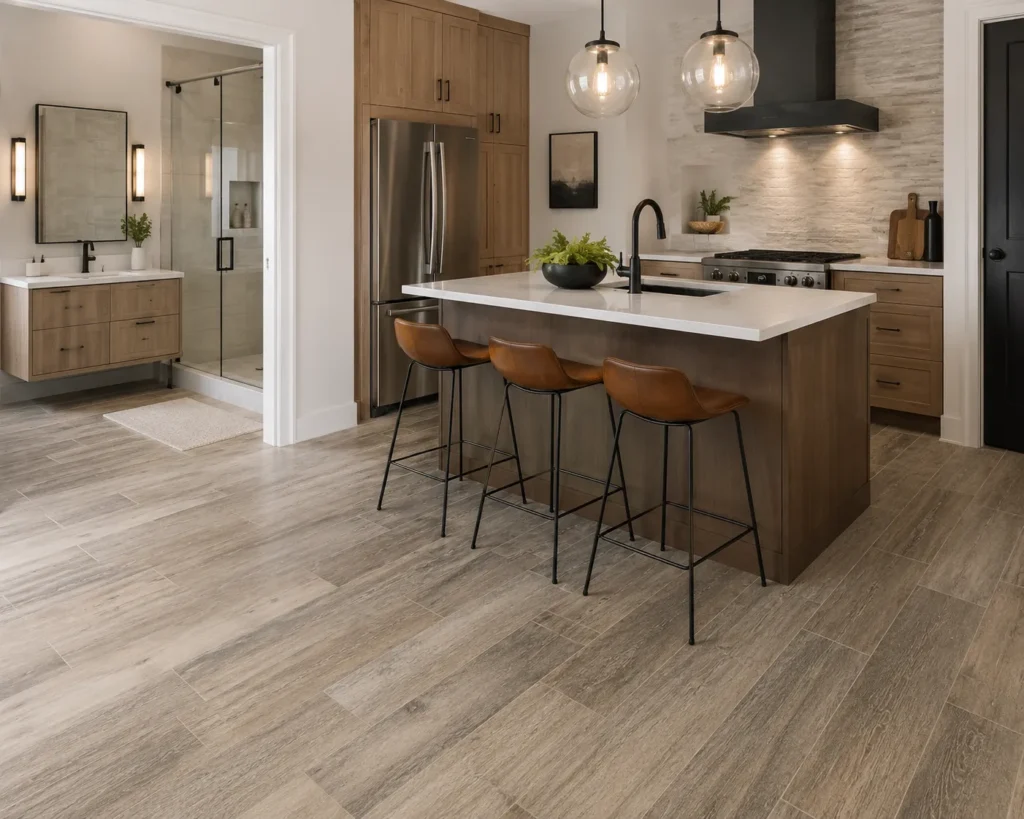
Because it’s waterproof and hard-wearing, SPC is one of the few floors you can run through almost the entire home for a seamless look:
- Kitchens and utility rooms — spills, splashes and heavy footfall are no problem. See our take on the best flooring for Irish kitchens and bathrooms.
- Bathrooms — fully waterproof and warmer underfoot than tile, especially over UFH.
- Hallways and stairs — built for the busiest, grittiest traffic in the house.
- Living and dining rooms — realistic wood looks with effortless upkeep.
- Conservatories — far more stable than timber when temperatures swing.
- Basements — its moisture resistance suits below-grade rooms where other floors fail.
How to choose: thickness, wear layer and finish
Two numbers matter most when comparing SPC.
Core thickness is usually 4–7 mm. Thicker boards feel more substantial, bridge subfloor imperfections better and click together more confidently. For most homes, 5–6 mm is the sweet spot.
Wear layer is measured in microns (or mil) and typically ranges from around 0.3 mm for light residential use up to 0.55 mm for heavy domestic and light commercial traffic. For a busy family home, rental or hallway, choose a thicker wear layer — it’s the single best predictor of how long the surface will look new.
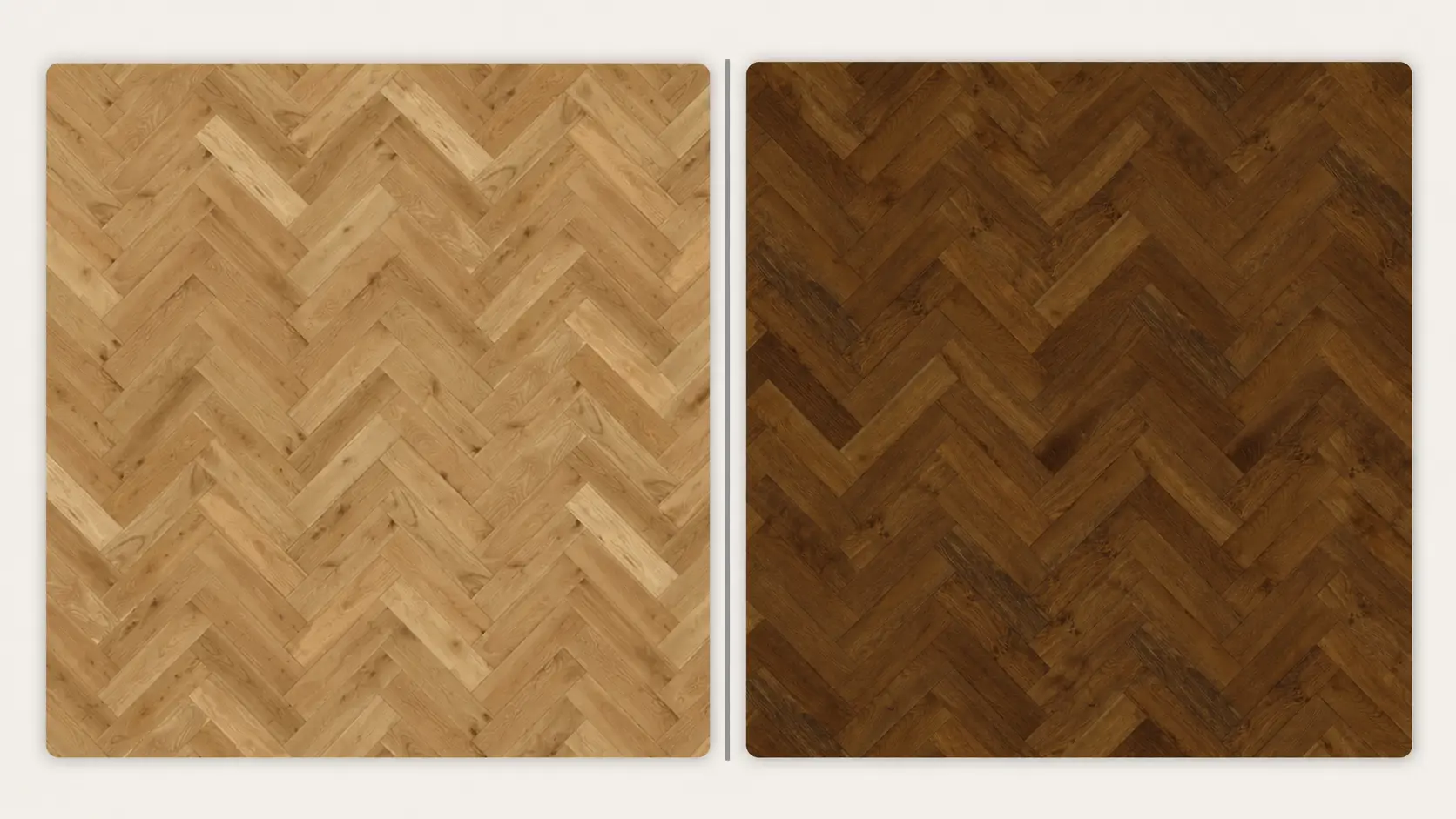
Format and finish is the fun part. SPC comes in straight planks and herringbone, in everything from pale Nordic oaks to deep walnuts and grey tones. Herringbone delivers a more premium, characterful look; straight planks make smaller rooms feel larger.
SPC flooring and underfloor heating
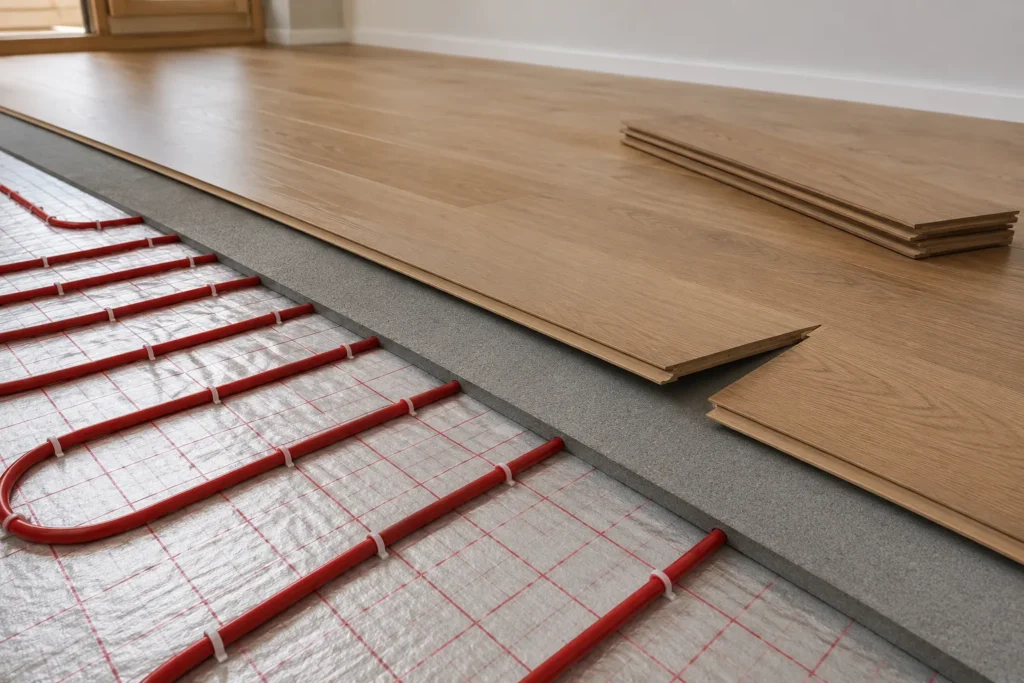
SPC and underfloor heating are an excellent match. The dense core conducts heat efficiently and stays stable as the system cycles. The key rules: keep the floor surface temperature within the manufacturer’s limit (commonly around 27–28°C), bring the heating up and down gradually, and never exceed the stated maximum. For the full picture across all floor types, see our guide to the best flooring for underfloor heating in Ireland.
Installation and subfloor preparation
SPC is a floating floor: the planks lock to each other, not to the subfloor, leaving a small expansion gap around the perimeter that skirting or beading hides. It can often be laid directly over existing concrete, screed, tiles or sound timber, which saves time and money.
Preparation is where good jobs are won or lost. The subfloor needs to be clean, dry and reasonably level — our homeowner’s guide to subfloor issues in Ireland explains what to check and fix first. And don’t skip acclimatisation: SPC should sit in the room it’s destined for, in its packs, so it can adjust to the home’s temperature before fitting. We explain exactly how in our guide to acclimatising flooring in Ireland.
Maintenance and lifespan
Day to day, SPC is about as low-maintenance as flooring gets: sweep or vacuum to lift grit, then clean with a well-wrung damp mop and a pH-neutral cleaner. Avoid steam mops and harsh abrasives, use felt pads under furniture, and pop a doormat at entrances to catch the worst of the grit. Looked after this way, a quality SPC floor will typically give 15–25 years of service in a domestic setting.
How much does SPC flooring cost in Ireland?
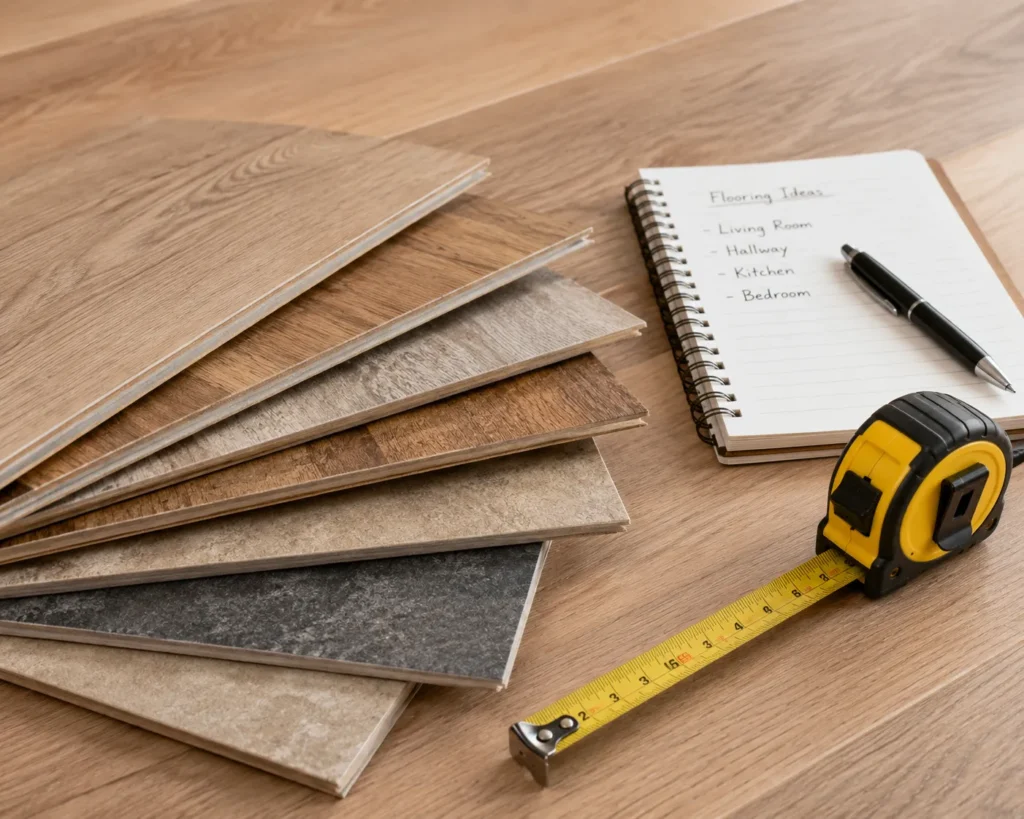
As a rough guide for budgeting, here are the figures we see across Irish projects. Your final price depends on the quality of the board, the room and the amount of preparation needed.
| Cost element | Indicative Irish range |
|---|---|
| SPC supply (budget to premium) | €20–€45 per m² |
| Floating click installation (labour) | €10–€20 per m² |
| Removing old flooring | €3–€15 per m² |
| Subfloor levelling / screed | from €8–€20 per m² |
| Separate underlay (if not pre-attached) | €2–€6 per m² |
| Beading, trims and thresholds | varies by room |
Two things catch people out: preparation and extras. A floor that needs levelling, old-covering removal and new beading can cost noticeably more than the headline supply price. For a proper breakdown, read our labour price breakdown for flooring installation in Ireland and our companion piece on the hidden costs of flooring installation.
FBS Flooring’s SPC range: the Lignum Core collection
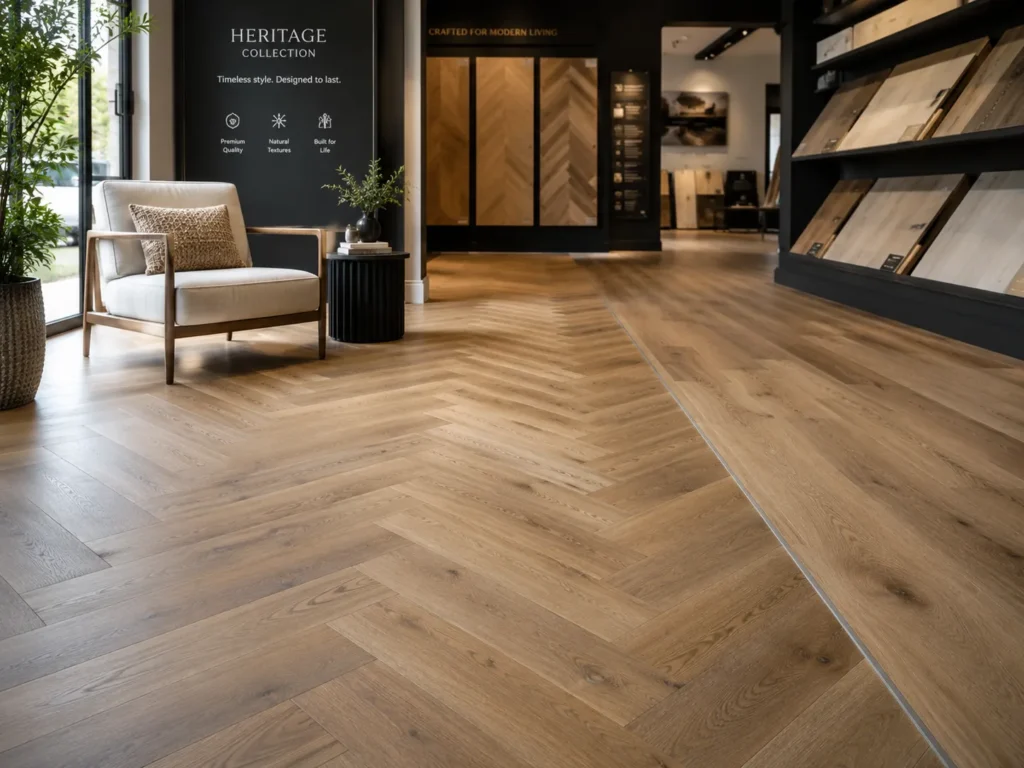
At FBS Flooring, our SPC offering is the Lignum Core collection — rigid stone-core boards chosen specifically for Irish homes, available in both classic straight planks and statement herringbone. The palette runs from light, contemporary tones to rich, warm browns, so there’s a finish for period restorations and modern new builds alike.
A few customer favourites give you a feel for the range: the warm, natural Barley Oak (also available as Barley Oak Herringbone), the deeper Truffle Oak and Mocha Oak, and the cooler, on-trend Greywood Oak. You can browse the full collection in our online shop.
Not sure which board suits your room, subfloor or budget? That’s exactly what we’re here for. Our team helps Irish homeowners choose with confidence every day — and our overview of why customers choose FBS Flooring explains the specifications and service standards behind every floor we supply. Get in touch for advice or a quote, and we’ll help you get SPC flooring Ireland homeowners can rely on for decades.
Frequently asked questions
Is SPC flooring good for Irish homes and damp conditions? Yes. Its waterproof, dimensionally stable stone-polymer core handles Ireland’s damp, humid and changeable climate far better than timber or laminate, making it well suited to coastal areas, period homes and new builds alike.
Is SPC flooring 100% waterproof? The SPC board itself is fully waterproof and can be exposed to standing water without swelling. Joints and perimeter gaps aren’t sealed like a wet-room system, so SPC is ideal for kitchens and bathrooms, but it isn’t a substitute for tanking in a fully tiled wet room.
Can SPC flooring be used with underfloor heating? Yes — SPC conducts heat well and stays stable. Keep the floor surface temperature within the manufacturer’s limit (commonly around 27–28°C) and raise and lower the heating gradually.
How long does SPC flooring last? In a typical home, expect 15–25 years. A thicker wear layer and good maintenance push it toward the upper end.
Is SPC flooring better than laminate? For water resistance and stability, yes — SPC won’t swell if flooded, where laminate can. Laminate can be cheaper and feels slightly warmer underfoot, so the best choice depends on the room and budget.
How much does SPC flooring cost in Ireland? Supply usually runs €20–€45 per m², with floating installation around €10–€20 per m². Removal, levelling and trims add to the total.
Can you install SPC flooring in a bathroom or kitchen? Absolutely. Its waterproof core makes it one of the best choices for both, offering more warmth underfoot than tile.
Can SPC flooring be laid over existing tiles? Usually yes. SPC floats over sound, clean, reasonably level tiles, concrete or timber. Wide grout lines may need filling first to prevent telegraphing.
3 Responses